The demands placed on technical components are constantly increasing. Especially for the automotive industry and its suppliers, LABS-compliant sealing systems are an important quality feature to avoid visible defects in the final product. Chesterton International GmbH supplies LABS-compliant polymer and elastomer seals; individually manufactured according to customised and application-specific requirements.
LABS is an acronym for paint wetting disruptors. If these substances – which can be greases, oils, PTFE or silicones – are present on the components used, they prevent uniform wetting of the surface to be painted. The result is funnel-shaped defects and craters in the paint layer.
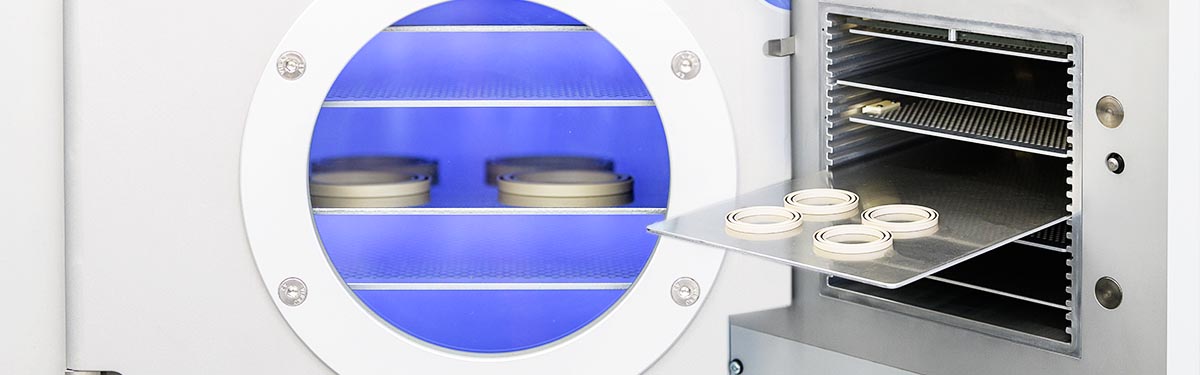
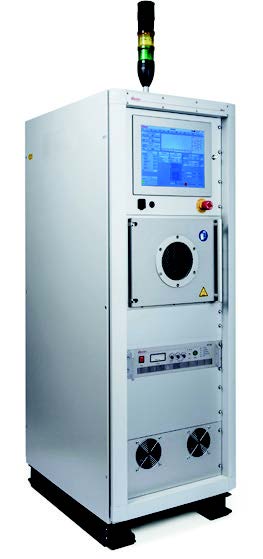
Of course, we immediately think of paint spray systems where LABS compliant seals are used. However, LABS compliance of all components is also required for production facilities and tools in other areas, such as the medical industry or dosing technology. Until now, manual wet cleaning of sealing systems was carried out at Chesterton. For reasons of occupational safety and environmental protection and, of course, to increase productivity and product quality, an advanced plasma cleaning system has now been installed at the Ismaning production site.
Deeply cleaned seals for process safety in pumps and machines
The cleaning system treats the seals with a deep cleaning in a low pressure plasma process using oxygen oxidation. The result is an extremely clean product.
Advantages of plasma treated sealing systems:
LABS compliance
Reduced stick-slip effect
Reduced friction
Easier installation
It goes without saying that Chesterton International GmbH applies this new cleaning technology to all manufactured polymer and elastomer seals – regardless of the field of application.
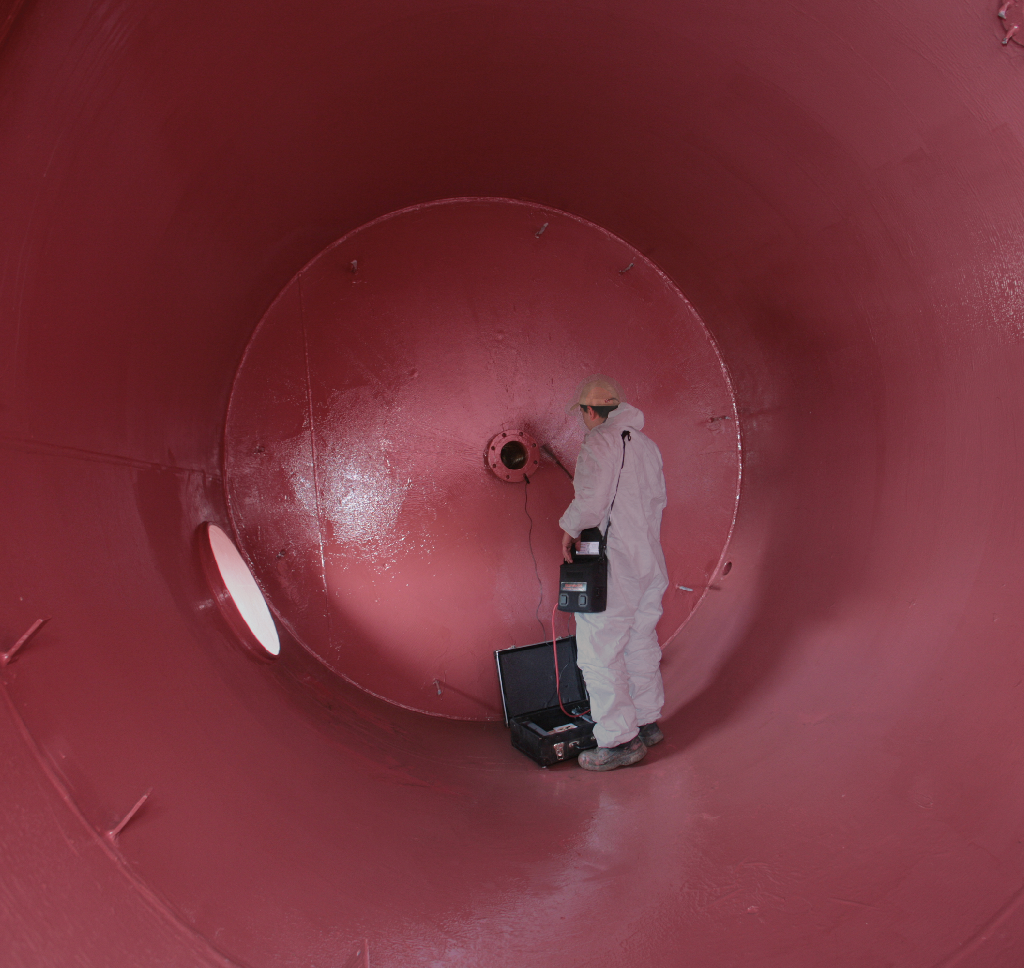
The oil and gas industry has long been at the forefront of the adoption of high temperature coatings to prevent internal corrosion of process vessels and other equipment operating at above ambient temperatures.
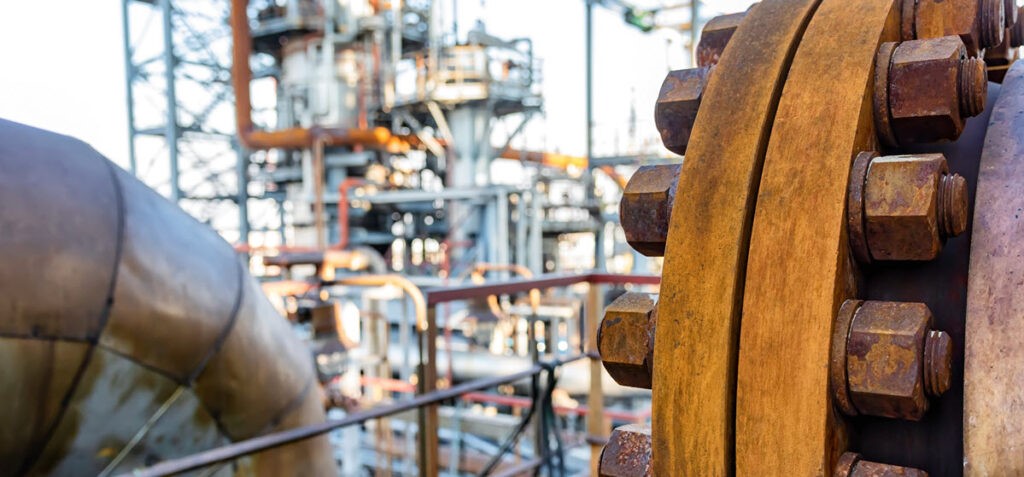
Highly corrosive conditions
ARC HTS for submerged aqueous solution conditions up to 150°C (302°F)
The most obvious reason for the industry’s advancement in coatings is the corrosive conditions that prevail at so many stages of oil and gas production. Severe corrosion can affect equipment from upstream production facilities to downstream refineries. These corrosion mechanisms are mainly caused by aqueous bases, high levels of chlorides and also corrosive atmospheres such as hydrogen sulphide and carbon dioxide. These conditions cause severe corrosion to many metals and alloys. Protective coatings based on organic polymers can provide very good long-term resistance in many applications.
Oil and gas companies are very knowledgeable about corrosion prevention and have accumulated a lot of experience over the decades. Therefore, they generally know which technologies work under certain conditions and which do not. But new market changes are creating challenges for oil and gas companies and coating manufacturers.
New challenges and higher temperatures
As oil and gas reserves decline, the industry is forced to explore and extract deeper and deeper fields and to produce fluids with much higher levels of corrosives than in the past. In turn, this has led to an increase in the processing temperatures and pressures required to produce fuels that meet acceptable specifications. To keep pace, the protective coatings industry has had to develop new and improved organic polymer coatings capable of withstanding the higher operating temperatures and increasingly corrosive conditions. Chesterton/ARC offers a range of high-temperature coatings that meet a multitude of extreme exposures.
The oil and gas industry also operates a great deal of older process equipment designed and manufactured from materials suitable for conditions that no longer exist today. This equipment must either be replaced at considerable cost or upgraded with protective polymer coatings or a coating of a more corrosion resistant metal or alloy.
Testing and acceptance of new high temperature coating technologies
One of the challenges facing manufacturers of protective coatings is convincing major oil and gas producers that new coatings that withstand higher temperatures can withstand these more aggressive operating conditions. For oil and gas companies, the stakes are clearly high. A coating failure in a process environment that could bring a production platform to a halt can cost the operator millions of euros/dollars in lost production. Safety is another key criterion, particularly in the selection of any material used either offshore or in a refinery. All new materials and technologies must be thoroughly tested and proven before corrosion engineers will allow their use.
Most major multinational oil and gas companies maintain their own lists of qualified and specified coatings that have passed laboratory testing and/or feedback in the field. Often, laboratory testing must be carried out by independent third party laboratories using standardised test methods. However, many operators have their own unique testing requirements that must be performed for a coating to be listed in their specifications. As a result, several independent laboratory tests must be performed to meet the requirements of all the world’s oil and gas companies. This increases the expense of developing new materials and increases the development time to bring new tested coatings to market.
While there may be valid reasons why oil and gas companies require some differences in the product tests to be performed by coatings manufacturers, achieving a more common consensus on testing could allow coatings manufacturers to develop new technologies more quickly and invest in more R&D.
New developments in coatings and how they work
There are two main types of polymers that are mainly used for the internal lining of vessels and equipment subject to aqueous corrosion at high temperatures and pressures:
Epoxy polymers
Vinyl ester polymers
Although these types of polymers have been used as protective coatings for decades, recent advances in these technologies have enabled manufacturers to produce coatings capable of withstanding much higher immersion temperatures under severe corrosive conditions.
These advances have been made possible by the development of polymers that have much higher glass transition temperatures (Tg) than older, traditional epoxy or vinylester polymers. Whereas older technologies were capable of achieving Tg’s in the 50-60°C range, these new high temperature polymers (such as those used in the ARC S5 high temperature coating – AW Chesterton’s most recent development) have Tg’s up to 210°C, allowing continuous immersion at temperatures up to 180°C.
Protective coatings based on vinyl ester polymers have also made progress in recent years in terms of ultimate Tg capabilities. However, the use of vinyl ester coatings has declined in the oil and gas industry due to the more hazardous nature of these coatings during application.
High temperature coatings are typically used on equipment handling aqueous process fluids, where aqueous corrosion is a problem. Application areas include separation vessels, heat exchangers and coolers, coalescing filters, air flare lines, pipes and pipe coils, pumps, valves and a wide range of other equipment.
Partnerships will bring new technologies to the market faster
Looking to the future, it is certain that the oil and gas industry will face new challenges that will require new solutions, particularly in the area of corrosion protection in high temperature environments. Protective coatings manufacturers such as AW Chesterton are ready to meet these challenges and look forward to partnering with the oil and gas industry to bring new technologies to market faster and facilitate their adoption and acceptance.
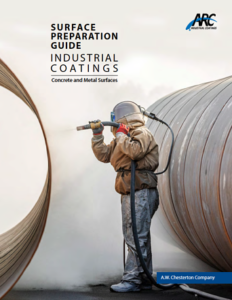
Learn more about proper surface preparation for successful coatings.
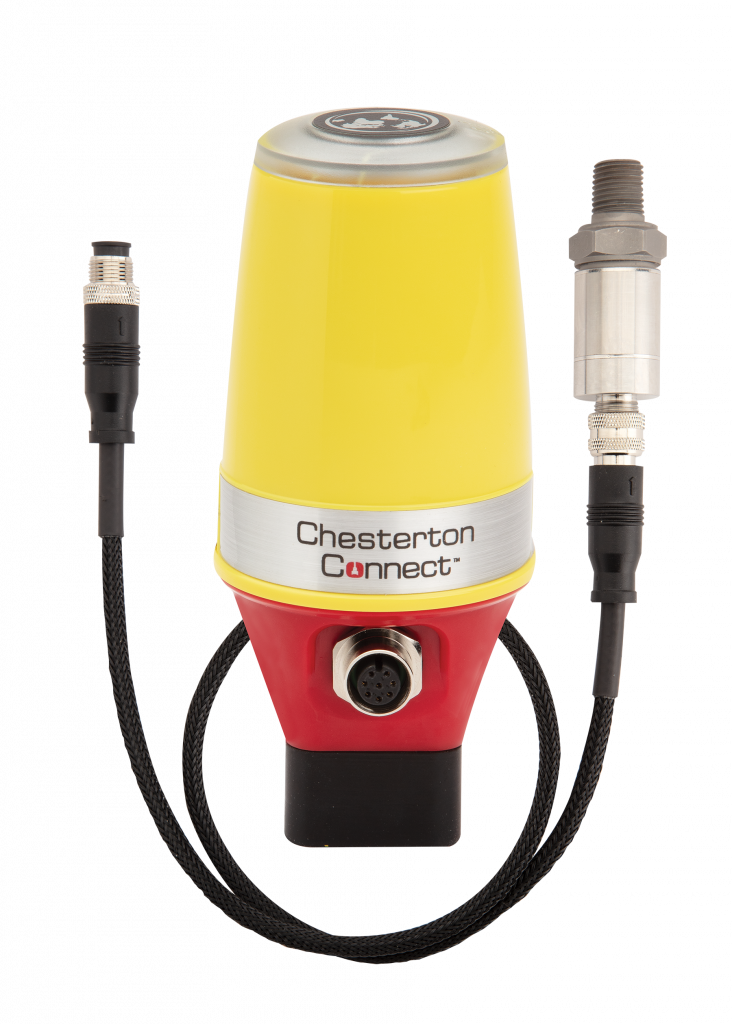
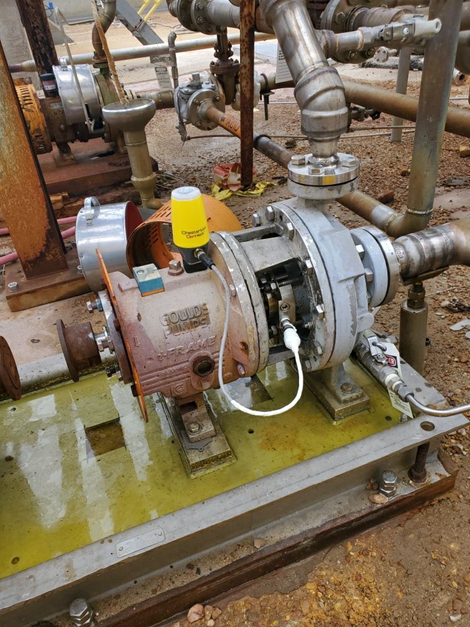
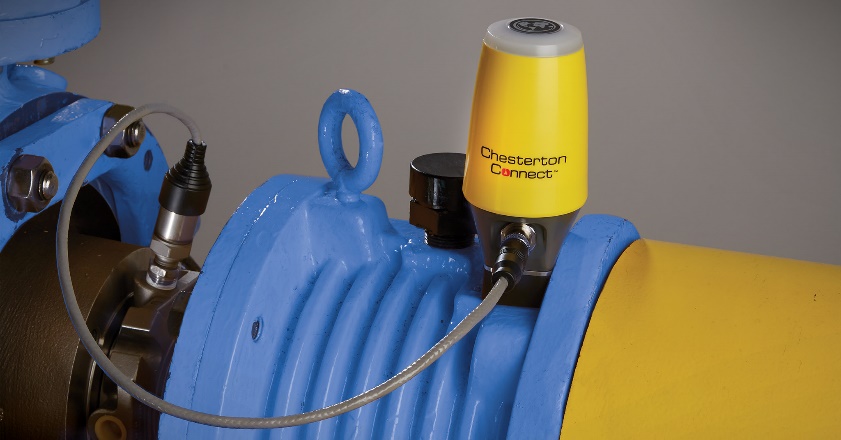
The Chesterton Connect™ Intrinsically Safe (IS) sensor system, the latest version of Chesterton’s range of wireless IoT monitoring products, is certified for use on equipment and structures in most hazardous environments facing high pressures, high temperatures and flammable liquids. Chesterton Connect IS meets NEC/ATEX levels for Category 1 gas and dust Class 1/Division 1 (gas, steam environments) and Class 2/Division 1 (dusty environments) equipment and IP66 for outdoor use.
“Intrinsic safety” is the electrical protection that allows the sensor to be used in hazardous areas with dust or gases that can ignite,” explains Juan Cid, product manager at Chesterton. “The sensor contains safety features within the electronics that prevent the sensor from raising the temperature of its components to dangerous levels.
The Chesterton Connect™ IS sensor is easy to deploy and monitors rotating equipment such as pumps and heat exchangers, as well as structures such as tanks 24/7 to:
Equipment vibration
Surface temperature
Process pressure
Process temperature
Uniquely, Chesterton Connect™ IS checks for fluids impacting mechanical seals, which are often the first component to fail in a pump.
The Connect IS system communicates with a mobile application via Bluetooth. The application supports multiple sensors to provide a complete view of the status of a plant’s equipment to detect and resolve problems before failure, often saving thousands of pounds in downtime. The application also alerts the user when predefined equipment operating limits are exceeded. Data collected from multiple sensors can be exported to the Chesterton Connect™ Cloud platform to spot trends and compare data to avoid equipment downtime and resolve hard-to-fix issues.
Chesterton Connect IS sensors keep workers safe by allowing them to remotely check conditions and performance in hazardous areas, so plants can save maintenance time and avoid potential accidents.
Monitor, analyse and compare the performance of your equipment wherever you are
Chesterton Connect is a simple to install, app-enabled device that provides 24/7 monitoring of equipment conditions, including temperature, process pressure, equipment vibration and surface temperature.
The Cloud gives you insight into the health of all equipment monitored by Chesterton Connect. This platform is an intelligence tool that helps you easily detect variations in equipment performance to focus your maintenance efforts where they are most needed.
Detect trends to address potential threats to ensure equipment availability
Identify problems that cause hard-to-detect failures
Anticipate potential malfunctions to help reduce maintenance costs
Schedule notification alerts by equipment and user
Correlate multiple measurements at a specific time
Quickly overlay and compare data from multiple devices
Analyse vibrations against different standards
Easily create equipment performance reports
Dashboard: tailored to your needs
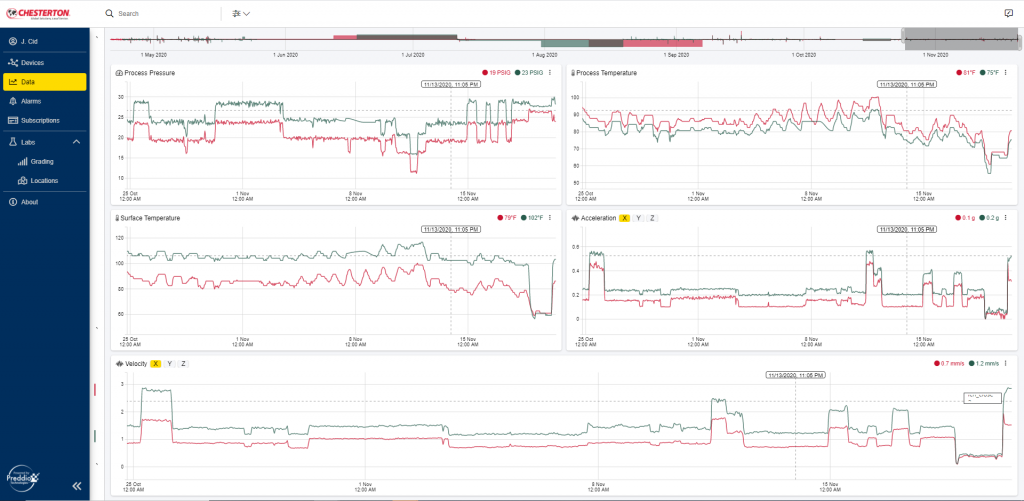
The Cloud allows you to monitor all equipment connected to Chesterton Connect sensors 24/7 through a user-friendly dashboard.
No matter where you are, view overall performance, explore variances and trends, add notes and take action to increase equipment uptime and productivity.
Security: 24/7 security, authentication and data backup
Customisation: flexible management of user roles, permissions and reports
Data storage: unlimited storage of Chesterton Connect measurements, alarms and notes
Data visualisation: easy navigation through graphs, alarms and notes
Access: instant and unlimited access to sensors
Monitor 24/7 vibration trends of equipment
The Cloud allows you to:
Easily view vibration trends through colour-coded analysis Display vibration velocity and acceleration
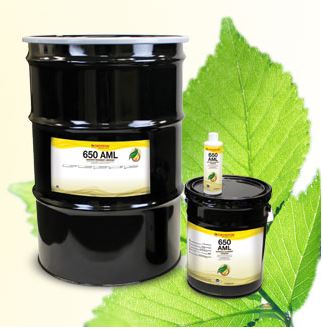
Biodegradable 650 AML extends the life of the equipment by significantly reducing wear.
Chesterton is pleased to announce a unique lubricant called 650 AML. A superior machine lubricant for chains, tyres and other machine assemblies in the industrial and food markets. This oil is formulated with a unique blend of food grade vegetable esters, making it a high performance lubricant that is readily biodegradable, environmentally friendly and safe for operators.
650 AML provides exceptional wear protection for valves, pistons and other pneumatic components. It cleans and removes residue and grime while lubricating chains, cables and other machine components.
650 AML is designed for end users who are looking for a high performance, environmentally friendly and worker safe alternative to petroleum based oils.
650 AML will meet safety and environmental compliance requirements while performing better than many petroleum based products.
650 AML has several advantages when used for the lubrication of pneumatic components, chains, cables or machine components
Cleanliness: self-cleaning; removes residues and fouling
Energy savings: low coefficient of friction of 0.05 (ASTM D3233), significantly reduces energy consumption.
Reduces wear and tear: Tested high pressure capability extends equipment life.
Compatibility: Silicone-free; safe for all metals, most polymers and plastics
Compliance: NSF H1 certified, approved for use in the food, beverage and pharmaceutical industries
650 AML is intended for use in all industries. It will prove very beneficial in pneumatic circuits requiring high moisture absorption and on dry chains requiring high load bearing capacity and excellent cleaning ability.
The intended areas of use are: but it does not stop there. :
Robotic, automated and controlled pneumatic systems, including cylinders, coils, actuators, valves, presses, pneumatic tools, etc.
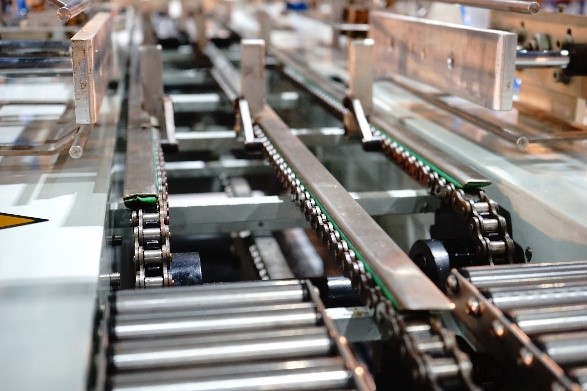
Power transmission/conveyor chains: such as general automotive manufacturing (white goods, tyres and rubber, paper mills) and where lubricant is applied by automatic drop, brush, mist or spray lubrication systems.
Wire rope, cables and hoists for all equipment including cranes, lifts and conveyors.
Air mist lubrication systems, including very high speed bearings; high temperature operation at 200◦C depending on bearing size and speed.
You are currently viewing a placeholder content from YouTube. To access the actual content, click the button below. Please note that doing so will share data with third-party providers.
Vibration and surface temperature measurements are the most common methods of monitoring the condition of pumps and other rotating equipment. However, vibration and surface temperature measurements of the pump motor or bearing housing provide only half the story.
What are the main causes of vibration in pumps?
There are many sources of vibration in pumps. The most common causes are shaft distortion, imbalance, misalignment, reaction and contact forces between components. These problems can all affect the reliability and operation of rotating equipment.
An increase in vibration can lead to:
Excessive shaft movement which eventually damages the seals
Permanent indentations of the bearing races
Deterioration of clearances such as those between bearings and wear rings
Looseness
Fatigue damage to components
Correlation of pump vibration monitoring with process pressure and temperature
When looking at a pump and the causes of pump failure, we need to look at all of its components more broadly. It is important to note that pump failures do not always start with changes in vibration and surface temperature. The failure conditions of some pumps start with pressure changes – which eventually result in vibration. Fluctuations in fluid characteristics, changes in speed or direction of rotation, obstructions at the discharge or suction end, and wear of internal components in contact with the fluid can all cause changes in pump pressure.
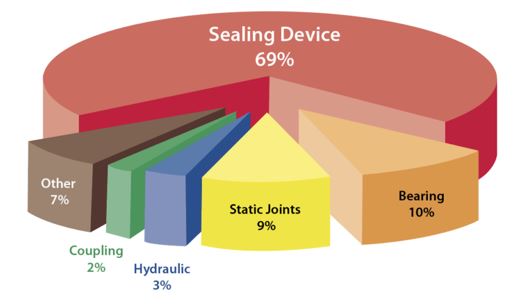
The first and most common component to fail in pumps is the dynamic seal.
Seal failures can be caused by multiple factors, many of which are not detected in the early stages.
Some of the most common factors are changes in pump suction and discharge pressure. These changes directly affect the pressure and temperature of the seal chamber (also known as the gland) – ultimately affecting the mechanical seal.
For example: during pump operation, the observation of an increase in vibration, followed by an increase in temperature and a drop in pressure of the pumped medium in the seal chamber is most likely caused by a restriction on the suction side of a pump.
In this scenario, if only bearing vibrations and surface temperature are monitored, changes (pressure, temperature) inside the pump would go unnoticed. With an increase in temperature and a drop in pressure inside the seal, the sealing device (e.g. barrier fluid) could experience operating conditions similar to those observed during dry running, causing premature failure of the dynamic seal and ultimately pump failure.
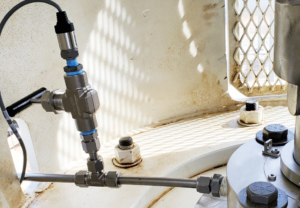
For a double mechanical seal working with barrier fluid, monitoring the pressure and temperature of the barrier fluid reservoir and that of the pumped fluid inside the pump will confirm that we have the correct pressure differential to ensure proper lubrication and operation of the mechanical seal.
Monitoring the pressure and temperature of the pumped medium in conjunction with the vibrations can provide a clear understanding of the pump’s condition, helping the user to correct pump disturbances in advance and thus avoid failure and increase uptime.
Pump failure point 2: Bearing
Bearings are the second most common component to fail in pumps.
Typically, bearing failures are caused by corrosion due to seal leakage, equipment imbalance, shaft misalignment, damaged impeller, etc. Bearing maintenance is normally preventive. Bearings are often replaced on the pump during seal maintenance, even when they are still in good condition.
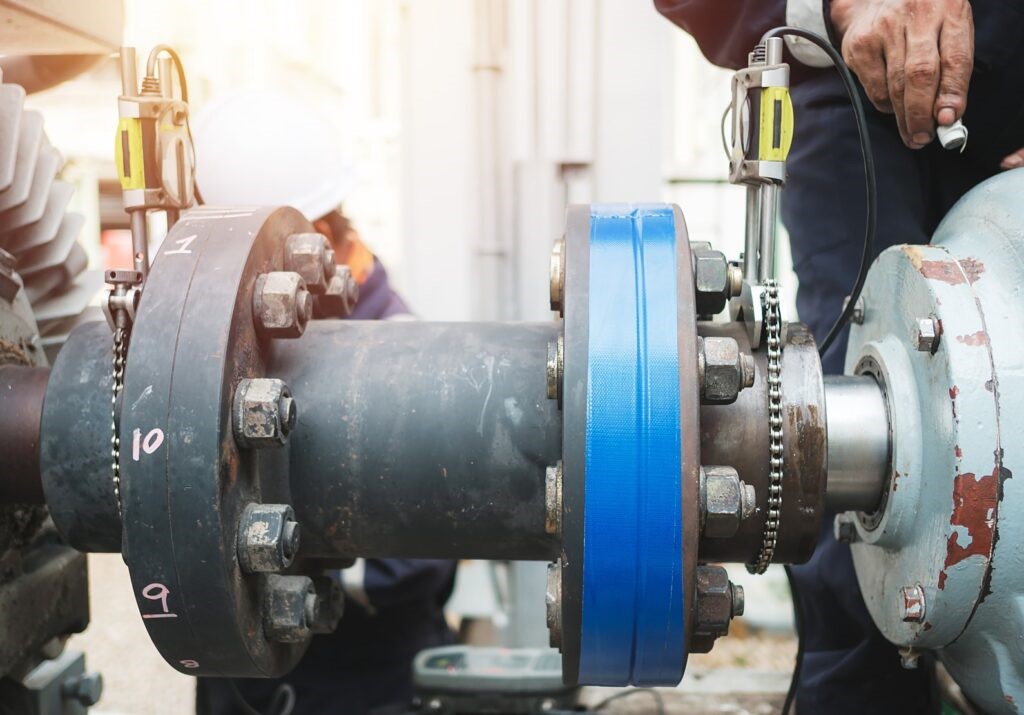
Technician inspecting pump and electric motor alignment, on-site repair work
Full monitoring of pump conditions
In summary, pressure, temperature of the fluid being pumped and pump vibration must be monitored to truly provide a complete and accurate picture of a pump’s true condition. The Chesterton Connect ™ sensor, mobile app and Cloud analytics provide 24/7 visibility of an equipment’s condition in all four areas (process pressure, process temperature, vibration and surface temperature) to enable you to identify problems in advance and make corrections for overall increased reliability and improved plant performance.
The following are case studies demonstrating how the Chesterton Connect sensor has been used to monitor process pressure, temperature and vibration, providing essential information for achieving equipment savings.
A chemical plant had an unusually high number of failures of single cartridge mechanical seals installed on a 65% nitric acid transfer pump. The mean time between repairs (MTBR) was only 1.2 months.
A technician checked the operation of the system and the installation of the mechanical seal and found no significant problems in the operation of the pump.
Our specialist recommended the installation of a Chesterton Connect. Within a few days they were able to quickly gather enough information to determine that there was negative pressure in the seal chamber when the pump was running. This negative pressure caused the mechanical seal to exhibit classic dry running symptoms. After conducting a system audit, the customer was able to push back a valve to ensure proper pump flow.
The pump and mechanical seal are now working properly and the projected MTBR has increased to over 24 months. The potential cost savings for the mechanical seals for this pump is over $30,000. Savings due to reduced maintenance and operational improvements are estimated to be even greater, but are still being calculated at this time.
Case study 2: Vertical multistage pump
A pump seal installed on a vertical two-stage pump failed after 2-3 days.
The seal was changed and again, 2-3 days later, the seal failure returned. Obviously there was a problem, but no one knew why, and it was impossible to “see inside” the mechanical seal to determine the root cause of the problem.
A Chesterton Connect ™ sensor was installed to monitor process conditions causing premature seal failure. Using the Chesterton Connect app, the user was able to plot the process pressure (falling) and temperature (rising) while the pump was running.
Using Chesterton Connect data, significant changes in the pump’s operating environment were identified and the seal failure problem was resolved.
Chesterton has launched its revolutionary new DualPac® 2212 pump seal.
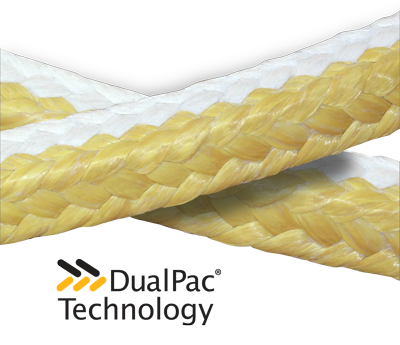
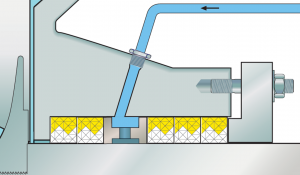
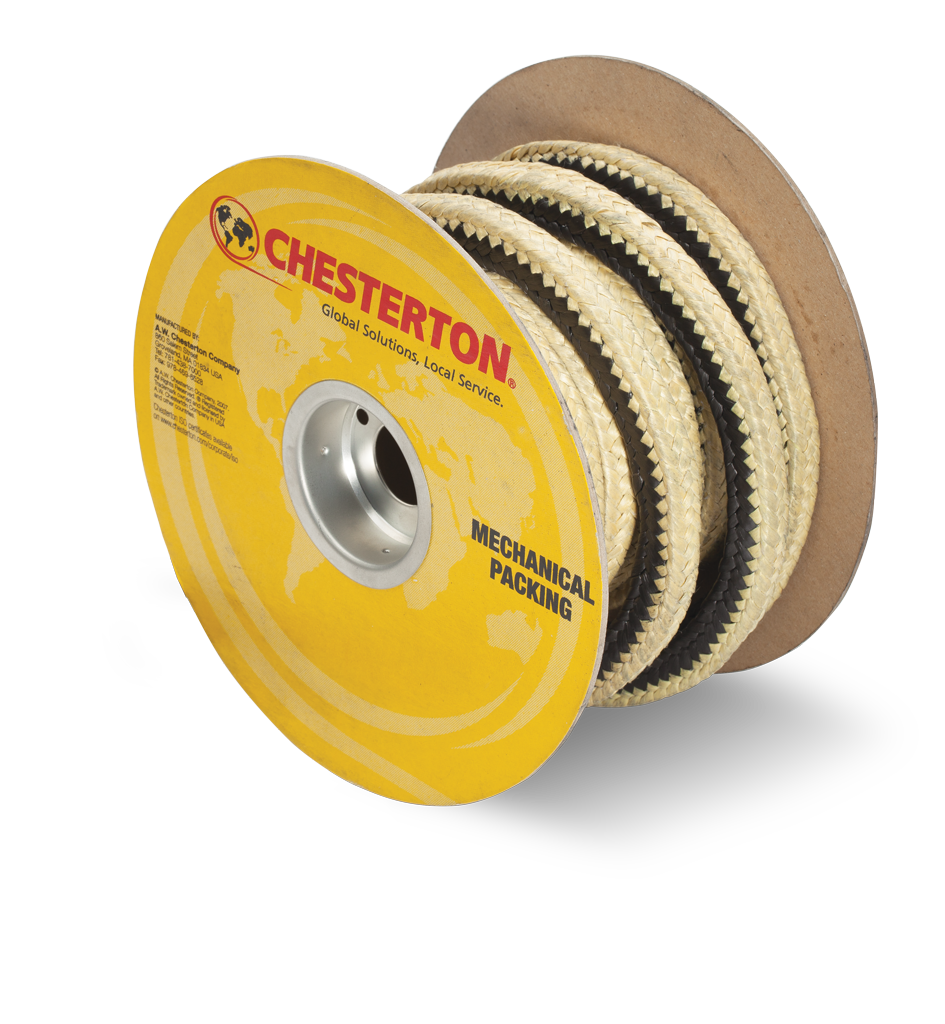
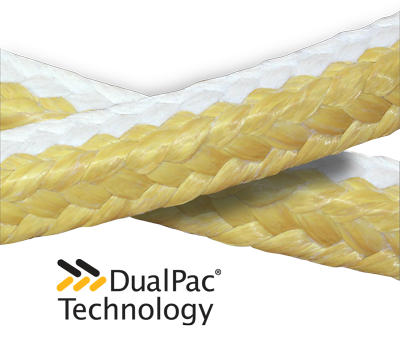
Dualpac® is a unique braiding technology invented and patented by Chesterton that allows the braid manufacturer, for the first time in history, to give the dynamic side of the braid the ideal properties for a dynamic seal, and the static side of the braid the ideal properties for a static seal.
An industrial braid specially designed for demanding applications
Launched two years ago, the first DualPac® version was the Dualpac 2211 pump seal braid – this robust and strong braid was specifically developed for the sealing requirements of severe applications in the mining industry. This braid design has proven to be very effective in extending the usually very short MTBR.
Based on this success, Chesterton’s product development team worked on a new braid to cover a wider range of applications. This research resulted in DualPac® 2212, a new pump seal braid.
A braid with two complementary fibres
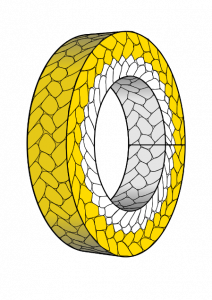
The DualPac® 2212 braid incorporates two types of fibres of different materials:
On the dynamic side, we have a fibre made of meta-aramid. This material has interesting properties such as high heat and burn resistance and avoids damage to the shaft.
On the static side, i.e. where the braid is in contact with the inner wall of the stuffing box, we have a para-aramid fibre. This material has an excellent mechanical strength and a very good resilience. The resilience of this fibre allows the whole braid to apply a constant pressure on both sides to be sealed (dynamic and static sides), thus extending the interval between gland tightenings and increasing the life of the braid. Due to the design of the braid, the para-aramid fibre is not in contact with the shaft which eliminates the shaft wear usually associated with para-aramid.
With this braid, users have reduced maintenance time, reduced operating costs and increased plant safety by reducing leakage from flushing water. The braid is recommended for applications where abrasive fluids need to be sealed, such as in the wastewater treatment and drinking water industries, as well as the paper and sugar industries.
Chesterton’s patented Dualpac technology revolutionises the way braids are sealed. With the Dualpac 211 and DualPac 2212 pump seals, it sets a new standard for sealing rotary equipment with braids.
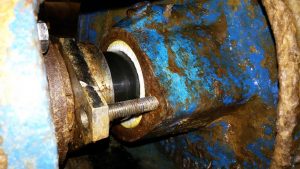
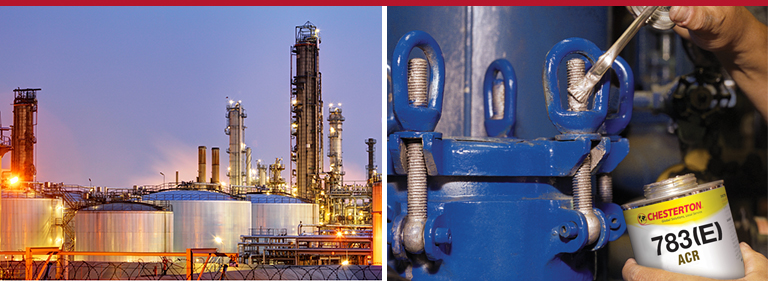
During a maintenance shutdown at a major refinery site, the teams encountered numerous problems when dismantling the bolts.
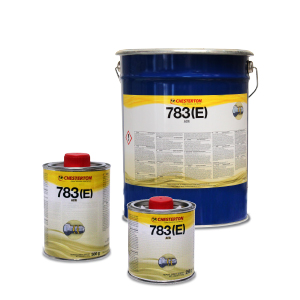
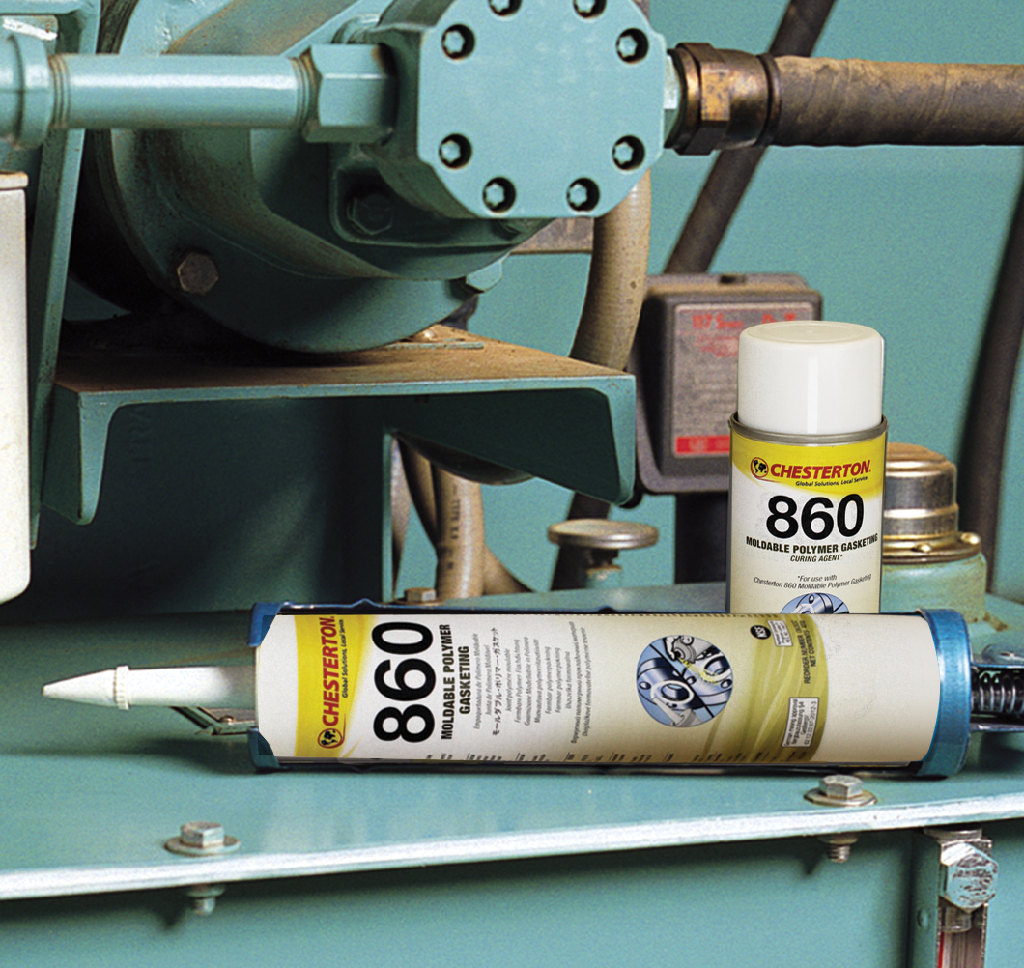
After various tests carried out by the refinery’s teams, the anti-seize and corrosion-resistant 783(E) ACR assembly paste is now recommended and applied to the bolts to make assembly and, above all, disassembly of the equipment easier and more reliable.
783(E) mounting paste combines a high performance industrial anti-seize with enhanced corrosion protection and excellent water washout resistance.
783(E) is ideal where the main cause of bolt seizure is corrosion.
Product features:
Facilitates disassembly up to 900°C (1652°F)
Fills microscopic voids
No toxic heavy metals
For extreme pressures up to 8,928 kg/cm² (127,000 psi)
This video shows how to set up a single-component airless pump with a heated fluid hose, allowing this method to be used to easily spray multiple ARC products.
You are currently viewing a placeholder content from YouTube. To access the actual content, click the button below. Please note that doing so will share data with third-party providers.
To solve these problems, protective products are usually applied.
Ideally, these products should:
Moisture and water protection
Protect against moisture and water
Provide corrosion protection
Protecting electrical equipment
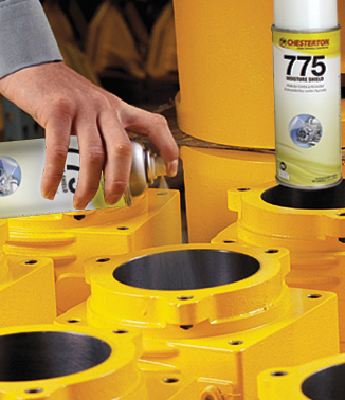
Chesterton is pleased to introduce the 775 Moisture Shield – a state-of-the-art technology for corrosion and moisture protection.
More on the video
You are currently viewing a placeholder content from YouTube. To access the actual content, click the button below. Please note that doing so will share data with third-party providers.
A new production site for a wide range of sealing solutions
A necessary investment for future business development
A.W. Chesterton opens a new production centre in Germany. It is located in Ismaning near Munich. This new centre will offer our customers and partners better service and will spearhead business development in Europe.
Service Excellence
State of the art manufacturing facilities combined with state of the art gasket technology will offer our customers greater responsiveness and performance.
Responsiveness and Competitiveness: by regionalising our engineering, manufacturing and warehousing, we improve our responsiveness and flexibility. Our added value is no longer simply that of cost reduction, achieved by making the equipment more reliable, but also by faster delivery and improved competitiveness.
Performance: with over 40 years of experience in this technology and thanks to the Axius™ platform, Chesterton has standardised the key components of its seals and greatly automated its manufacturing process. The 1810 and 2810 Cassette Packings are the first to benefit from this program, thanks to RFID chips, they also allow for better traceability throughout their life cycle. The Axius platform also allows for different types of metallurgy such as Duplex (EN 1.4462), Super Duplex (EN 1.4410) and Hastelloy® C-276 (EN 2.4879) mechanical seals.
Video: The new production site for mechanical seals
You are currently viewing a placeholder content from YouTube. To access the actual content, click the button below. Please note that doing so will share data with third-party providers.
Interview with Volkert Wanner, Head of the production site in Germany, conducted by Vitaly Igonin, Marketing Coordinator for Europe, Middle East and Africa
Vitaly Igonin (VI): Hello Volkert, you invited us to come and see the new Mechanical Seals Production Centre in Ismaning near Munich. We would like to ask you some questions about this project,
First of all, what makes this project unique?
Volkert Wanner (VW): This is unique! We are working here on a project that, through its digitalisation and the technologies used, brings us into Industry 4.0
In 2019, Chesterton was launching new cartridge fittings on the market that are manufactured on the new AXIUS™ production platform. This modular platform has revolutionised the way we design and assemble GMs and enable our customers to reduce the lifecycle costs of their installation.
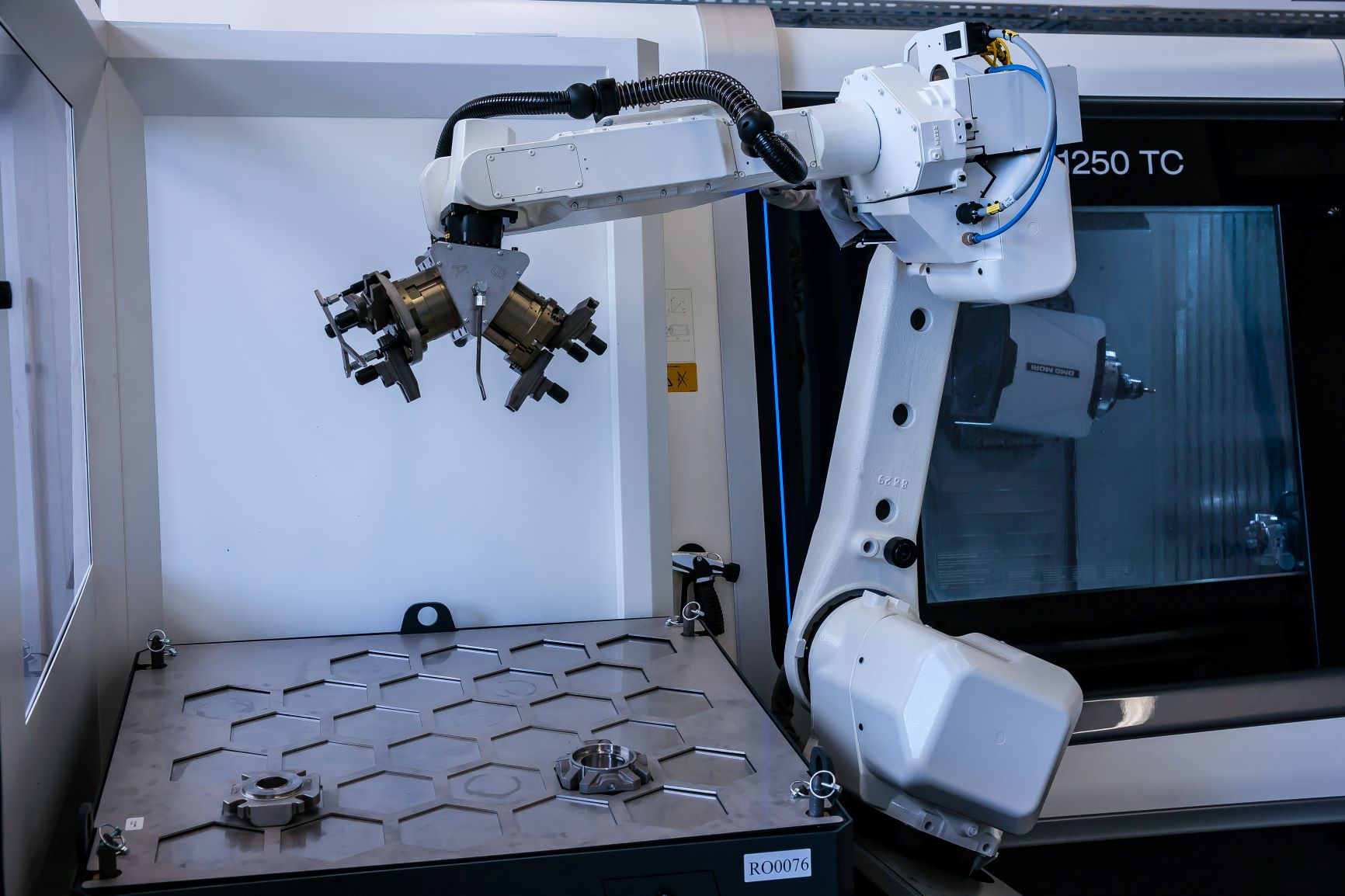
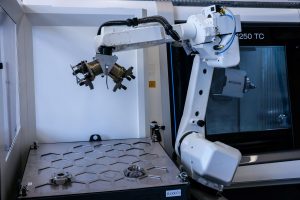
To make this possible, Chesterton decided to invest in new equipment and technology: We use a state-of-the-art DMG Mori CTX beta 1250 TC machining centre, to which we have integrated a 2nd generation Robo2Go. This innovative solution offers a flexible automation configuration and an intelligent safety concept for man-machine collaboration. These machines were installed both at our headquarters in Groveland (MA-USA) and here in Germany in Ismaning.
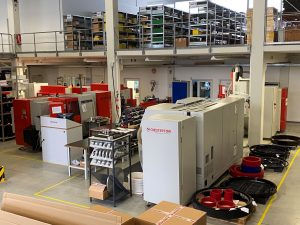
To support the production, other investments were necessary: the installation of a new vertical storage unit but also specific equipment such as laser marking and quality control including RFID technology for the traceability of our mechanical seals.
This project is global and innovative, which is why it is unique!
VI: T Where are we today and what is the production schedule?
VW: We are now in the scale-up and test phase, with a planned start date of 1 September 2020.
The production ramp-up will take a few months. Our priority is to mass-produce the standard sizes and, later on, to offer trim modifications to meet customer demands. These engineering solutions will be carried out by our design office here in Ismaning. In a year’s time, we plan to develop new products.
VI: What prompted the management in the US to come and invest here in Europe?
This was a strategic decision due to high demand from local customers. We need this European production to ensure fast delivery and to offer high quality products that meet local standards. Europe accounts for almost 70% of the world’s OEMs. Chesterton is a very flexible company; we want to offer technical solutions to our customers all over the world. The decision to produce in Europe was a logical one, but it took time to make it happen!
On what criteria was the Ismaning site chosen?
Ismaning is already a production centre, we have an experienced and efficient customer service. Our engineering team is fully integrated with the US team. For many years we have been a logistics hub for assembly and shipping of gaskets for EMEA. Ismaning is also a repair centre allowing us to provide a high quality service to our customers. I am very proud that Ismaning can develop new products for the EMEA market and offer customised solutions!
In the long term, what is your vision for the project?
As our CEO Andrew Chesterton has said, “[we] need to invest in people, tools and technology, which are essential for the growth of innovation and that automatically means providing high quality services at every stage of [our] customer engagement”.We expect an evolution from today’s fittings to modular solutions incorporating smart technology. We are living in an era of globalisation, so we need to provide a high quality product that meets the requirements of the local market as quickly as possible in every part of the world.
We are also looking to the future and investing in talent. Chesterton International GmbH collaborates with leading universities and innovative technology pilots in Munich and Stuttgart.
In conclusion, our goal is to provide innovative solutions using state-of-the-art manufacturing technology and by uniting the sources of talent and knowledge that are the wealth of Chesterton.
Thank you Volkert for this interview, we wish you and your team all the best for this new adventure!
Chesterton Connect is an easy-to-use data acquisition tool that allows you to safely and conveniently monitor the operating conditions of your processes and equipment.
Easy to install, the unit and application allow the user to increase the uptime of rotating equipment.
This video#1 offers some useful tips when installing a Chesterton Connect unit on a pump. Find out how to get the unit’s magnet close to the surface of your equipment, why thread sizes can matter, and other field tips that will help you monitor your sealing systems!
You are currently viewing a placeholder content from YouTube. To access the actual content, click the button below. Please note that doing so will share data with third-party providers.
This video#2 explains some useful tips related to installing the P/T sensor in a single or double seal watering. Find out how to upgrade your Connect unit with various modules, how to combine watering and monitoring on a single mechanical cartridge seal, and other field tips to improve your dual seals!
You are currently viewing a placeholder content from YouTube. To access the actual content, click the button below. Please note that doing so will share data with third-party providers.
Braids have different requirements and their materials are selected to meet these requirements.
These materials all have advantages and disadvantages. In standard rotary equipment braids, these disadvantages must be taken for granted.
Chesterton DualPac™ is an innovative and patented compression braid design that combines the best properties of different materials so that their beneficial properties can be exploited while reducing their disadvantages.
Watch this new video to learn more!
You are currently viewing a placeholder content from YouTube. To access the actual content, click the button below. Please note that doing so will share data with third-party providers.
Braid seals require leakage of the braid to ensure cooling and lubrication of the braid. However, more than often … leakage is excessive … to the extreme…
DualPac™ braid:
lasts longer
less wear on shaft sleeves
reduces maintenance
reduces leakage
saves you money
More on the video
You are currently viewing a placeholder content from YouTube. To access the actual content, click the button below. Please note that doing so will share data with third-party providers.
Bearing and gearbox protection, new split seal designed for worn shafts and large runout applications.
Matrix: patented split rotary seal is easy to install, minimizes downtime and eliminates costly repairs and leaks.
A.W. Chesterton is pleased to announce the market launch of the Matrix Rotary Seal.
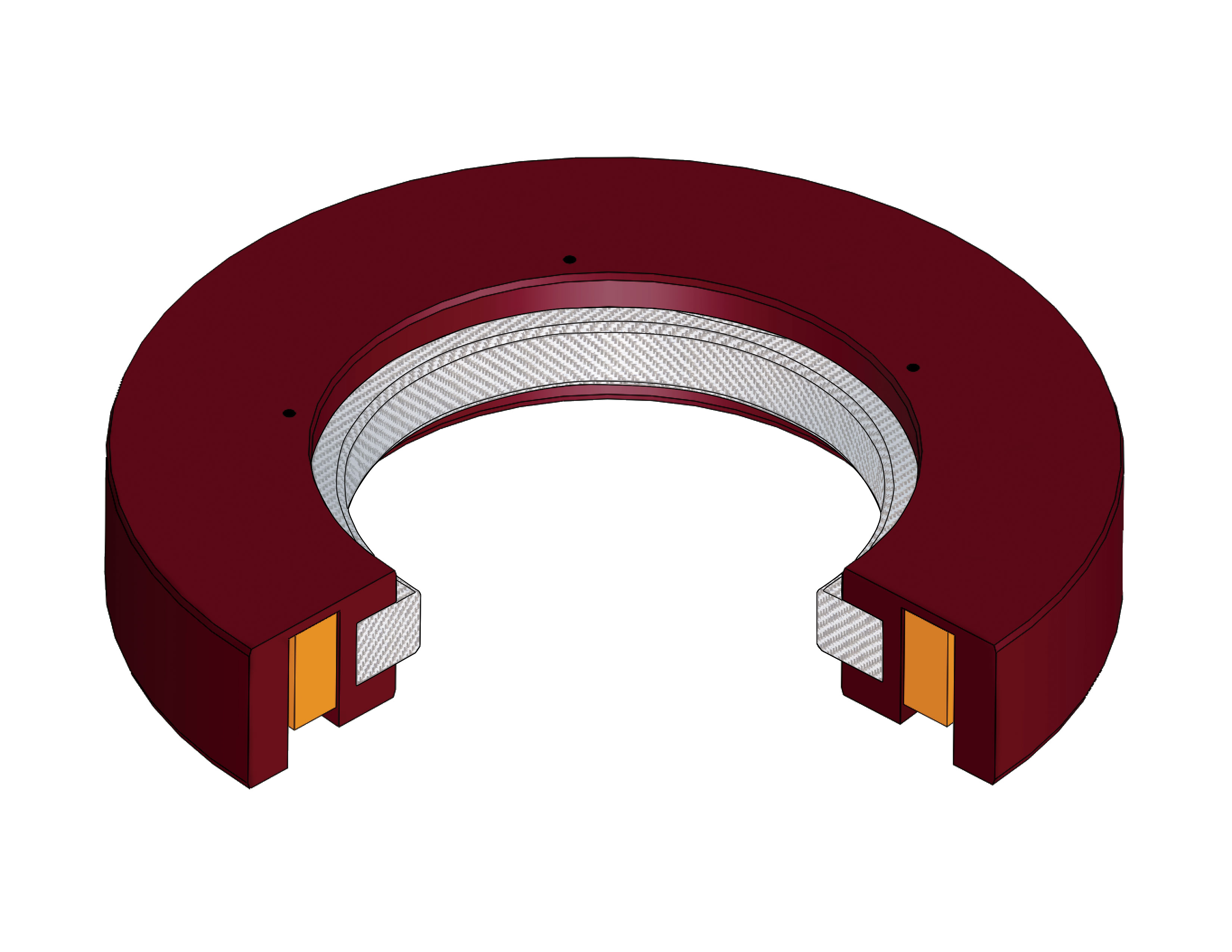
The patented Chesterton® Matrix Rotating Seal is a split seal designed for bearing protection. It has been developed to work on worn equipment that may have significant run-outs. The unified design is an innovation. It combines two of Chesterton’s proprietary technologies, polyurethane and impregnated synthetic fibres, to optimise the performance and reliability of the Matrix seal.
Features:
Quick and easy to set up
Made to measure
Designed for a wide range of shafts from 50 to 762 mm diameter
Suitable for shafts with worn surfaces
Supports runouts up to 1.5 mm
Rotation speed up to 15 m/s
The MATRIX rotary seal can be used in virtually all industries and in particular for large equipment such as pumps, gearboxes, conveyors, motors, fans and bearings. It provides effective protection against external contamination and maintains optimum lubrication inside bearing housings by eliminating leakage. With its patented split design, installation can be reduced from hours to minutes, avoiding costly disassembly, reassembly and labour.
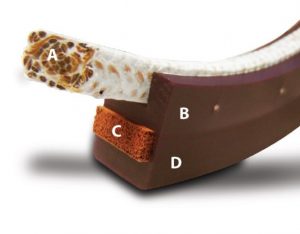
Joint Matrix: Construction
The braid (A), made of impregnated synthetic fibre, creates a seal against the rotating shaft. The nylon pins (B) prevent the seal from rotating with the shaft. Closed cell foam (C) energises the braid and helps create a good seal. The cage (D), made of flexible and durable polymer material, unifies the assembly and energizes the seal.
You are currently viewing a placeholder content from YouTube. To access the actual content, click the button below. Please note that doing so will share data with third-party providers.
You are currently viewing a placeholder content from Hubspot Embedded Content. To access the actual content, click the button below. Please note that doing so will share data with third-party providers.
You are currently viewing a placeholder content from HubSpot. To access the actual content, click the button below. Please note that doing so will share data with third-party providers.
You are currently viewing a placeholder content from Hubspot Meetings. To access the actual content, click the button below. Please note that doing so will share data with third-party providers.