Category: Industry

  • Power Performance for the Power Industry – Chesterton® ARC SD4i Protects Storage Tanks for Ultra-high Purity Water

    Power Performance for the Power Industry – Chesterton® ARC SD4i Protects Storage Tanks for Ultra-high Purity Water

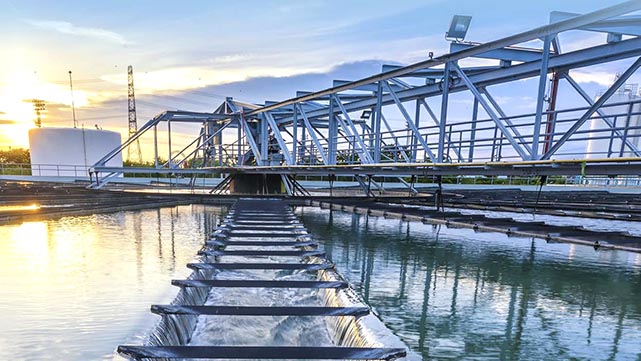
    In thermal power plants, regardless of the type of fuel used, the need for high-purity demineralized water is essential. This water is critical for producing steam to drive turbines and generate electricity. A reliable supply of demineralized water helps ensure the efficient and safe operation of the plant, as it prevents scaling and corrosion in boilers and associated systems.

    This boiler feed and make-up water is treated with various types of chemicals and demineralized to ensure it meets the needs of the boiler system for safe and efficient operation. This treated water is normally stored in large steel tanks before being used in the boiler system. It is imperative that the quality of the water does not deteriorate during storage. Therefore, these steel tanks are usually lined with a suitable material that not only prevents corrosion of the steel tank but also does not leach any unwanted substances into the water.

    ARC SD4i demonstrates outstanding properties and beats competitor products in extensive test series

    Chesterton offers qualified industrial coating products for a wide range of applications in fossil and nuclear power plants, helping our customers to improve productivity and efficiency. In this article, we focus on an outstanding major project – one of our impressive success stories:

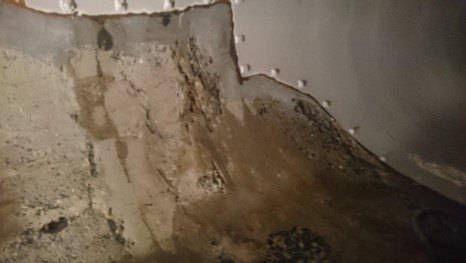
     “Back in 2007, a nuclear power plant in Europe was experiencing contamination issues of their ultra-high purity refueling water storage tanks due to deterioration of the rubber lining. Initially the power plant intended to replace the old rubber lining with a new one. However, unacceptable amounts of prohibited substances were discovered during leaching tests of the new rubber liner. Replacing the tanks with new stainless-steel tanks was considered but was deemed to be cost prohibitive.

    The local Chesterton coating partner was contacted and discussed the possible use of a ceramic reinforced coating, ARC SD4i, that had been successfully used by a nuclear power plant in the US in their condensate water storage tanks for over 10 years. A visit to the US power plant was organized and key personnel from the European plant travelled to meet with their counterparts in the US to find out directly about the performance of the ARC coating in the ultra-high purity water storage tanks.

    The power plant also began a series of tests including leaching tests with various different liners and coatings to ensure they met their needs in terms of maintaining water purity and corrosion protection of the tanks. The leaching tests were conducted at 60°C and ARC SD4i was the only coating that passed all the tests.

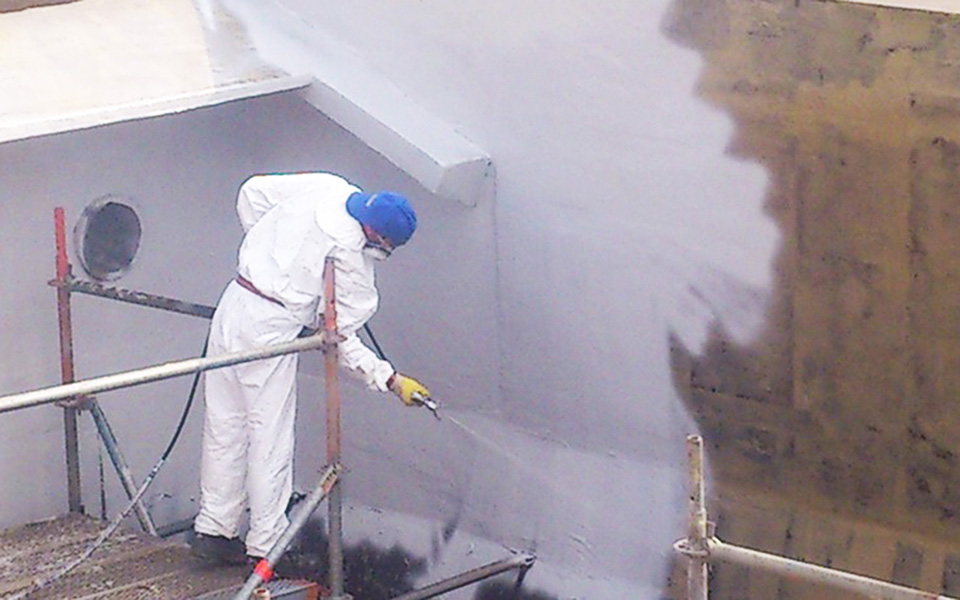
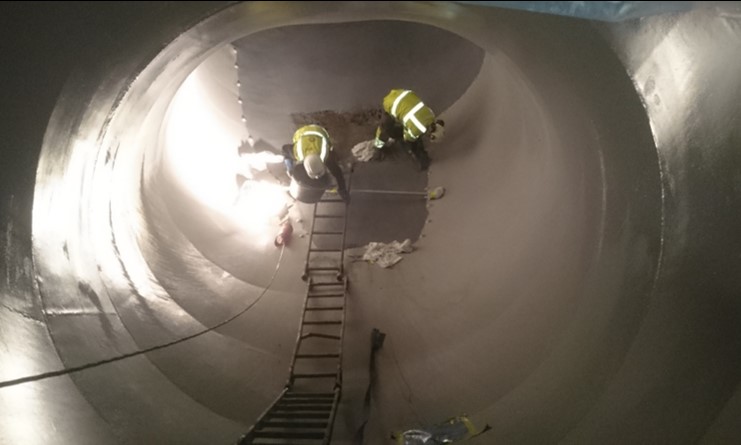
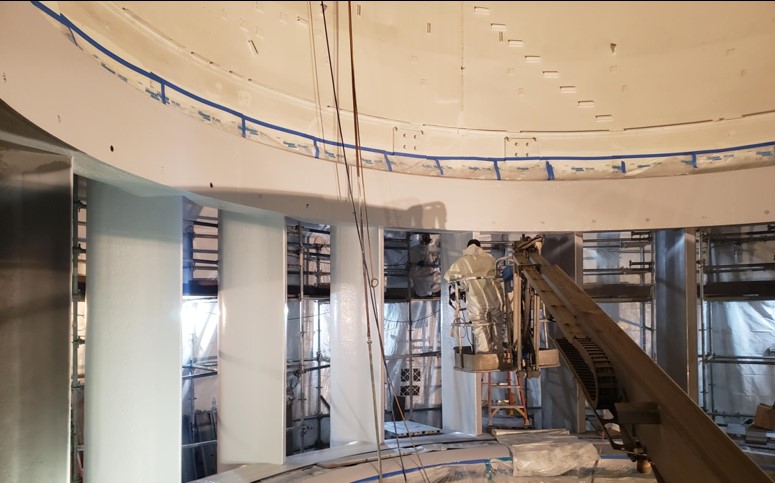
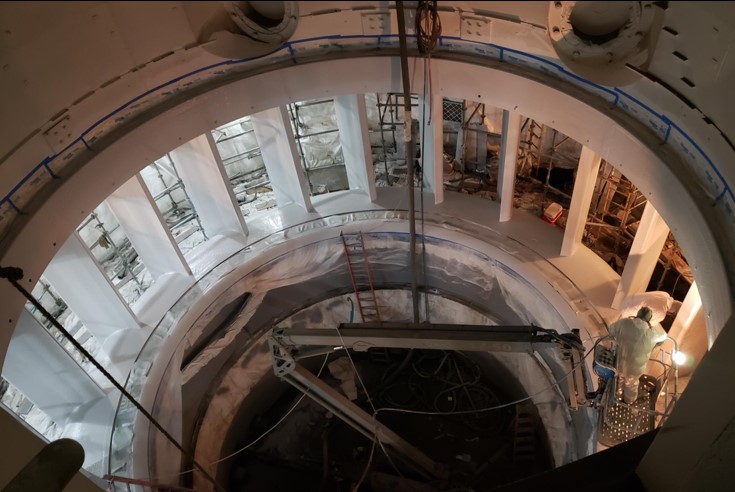
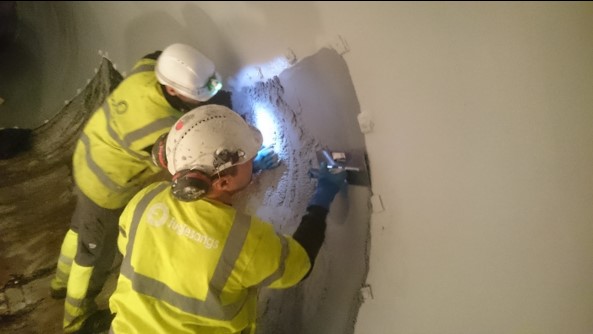
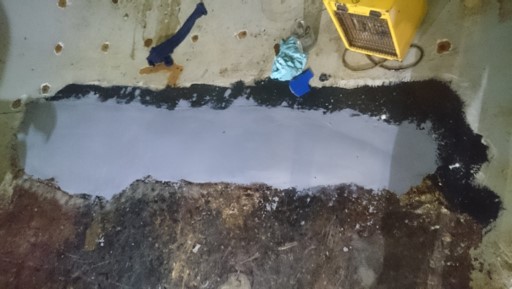
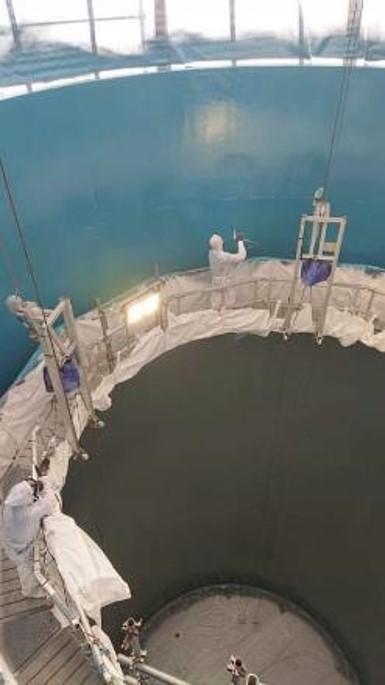
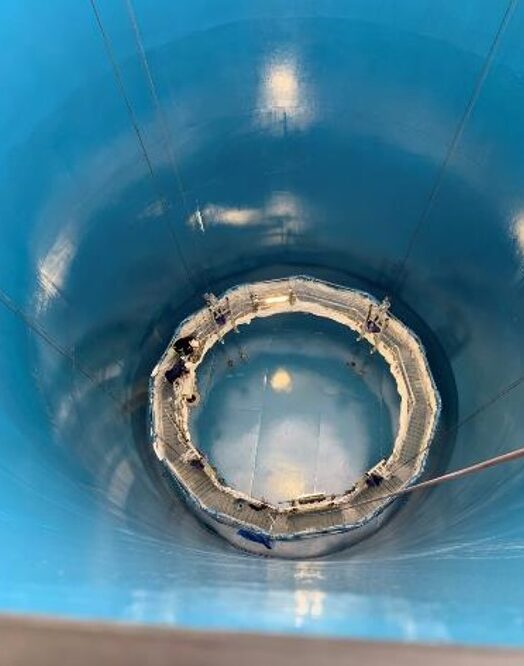
    This started a project in 2017 to coat all of the safety classified rubber lined tanks with ARC SD4i. Each tank had to be emptied, the existing rubber liner removed, the steel surface prepared to specification and then, application of the ARC SD4i coating using a heated plural component airless sprayer.
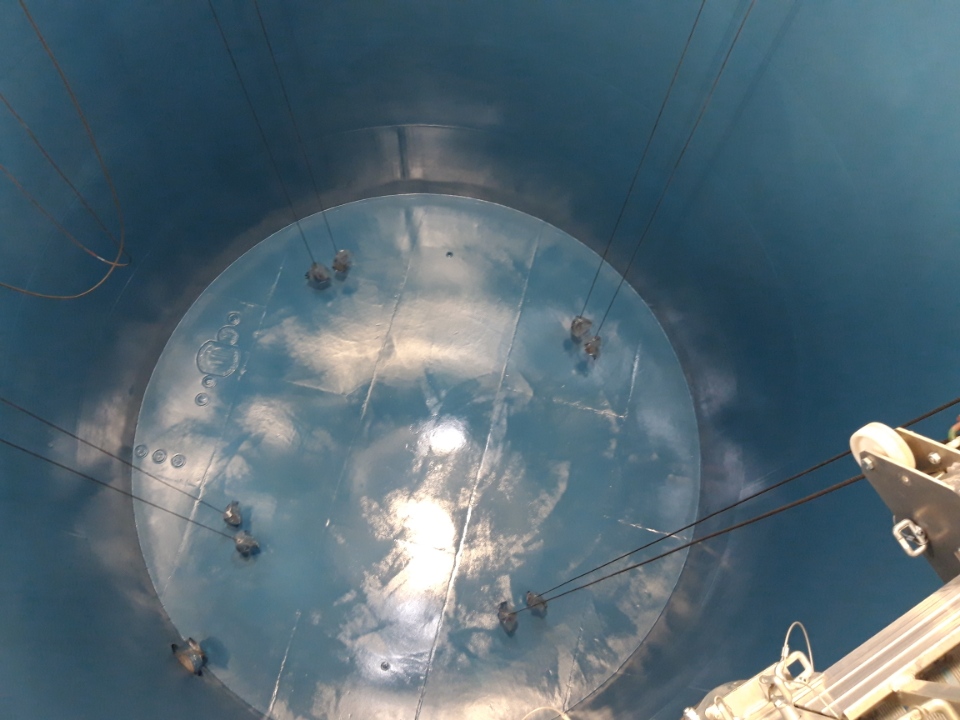
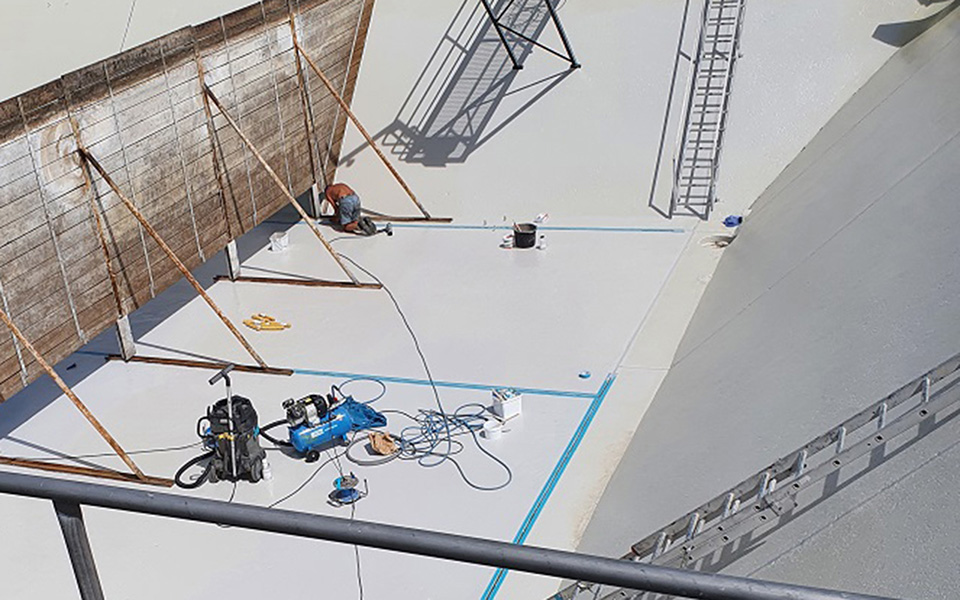
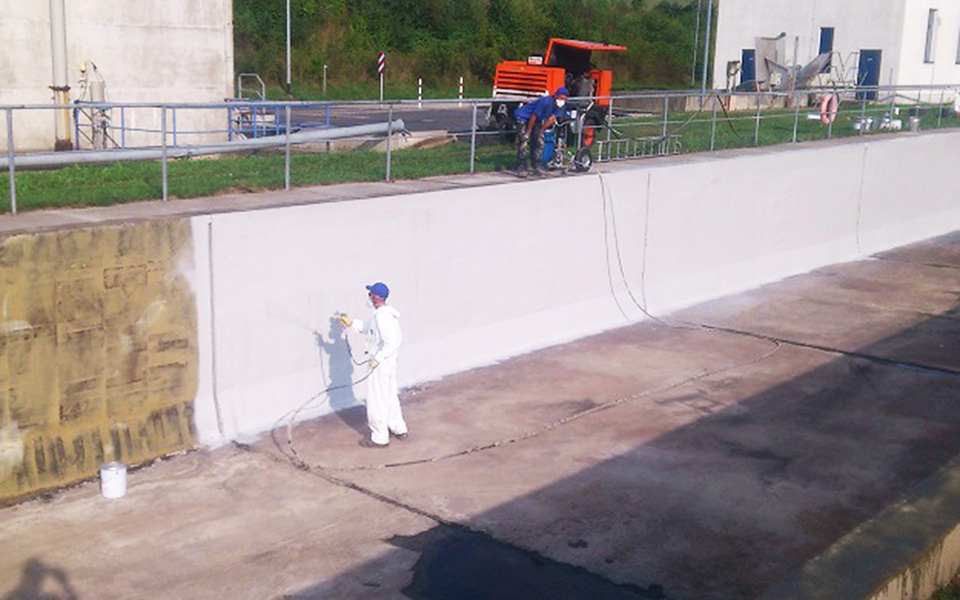
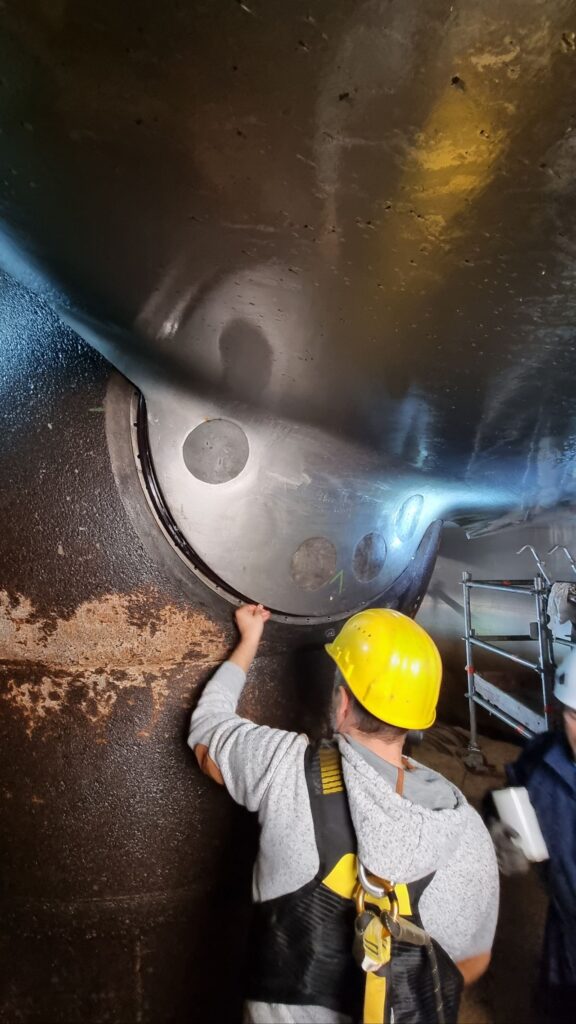
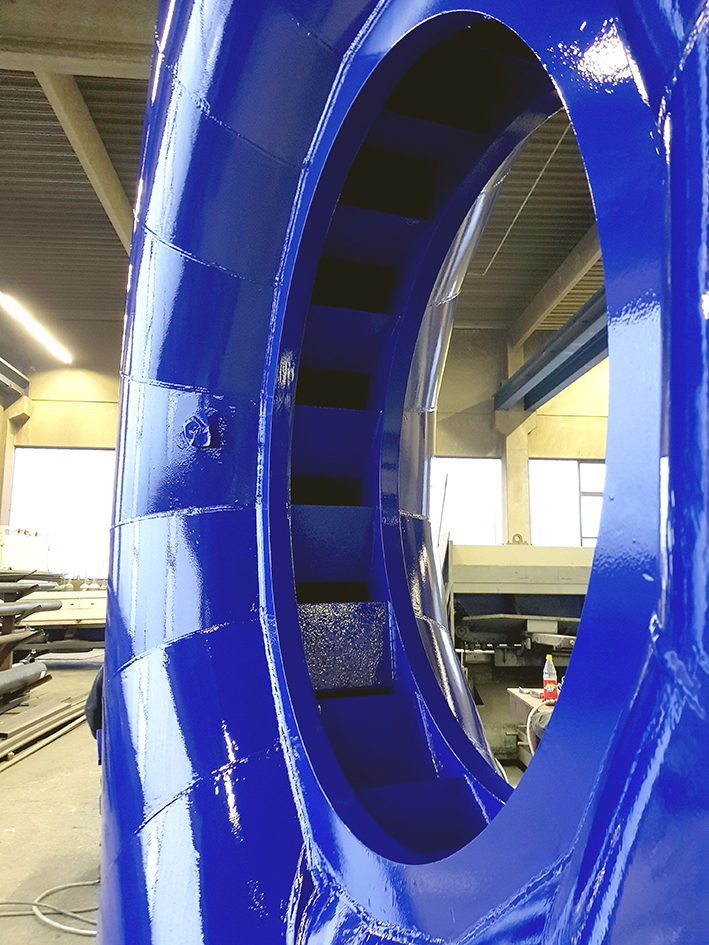
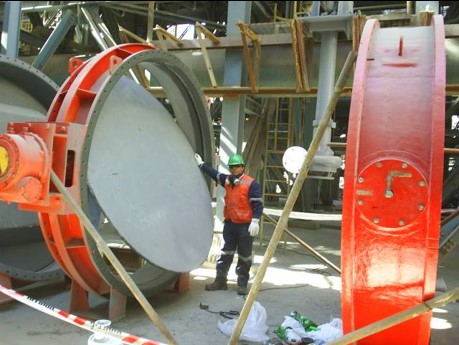
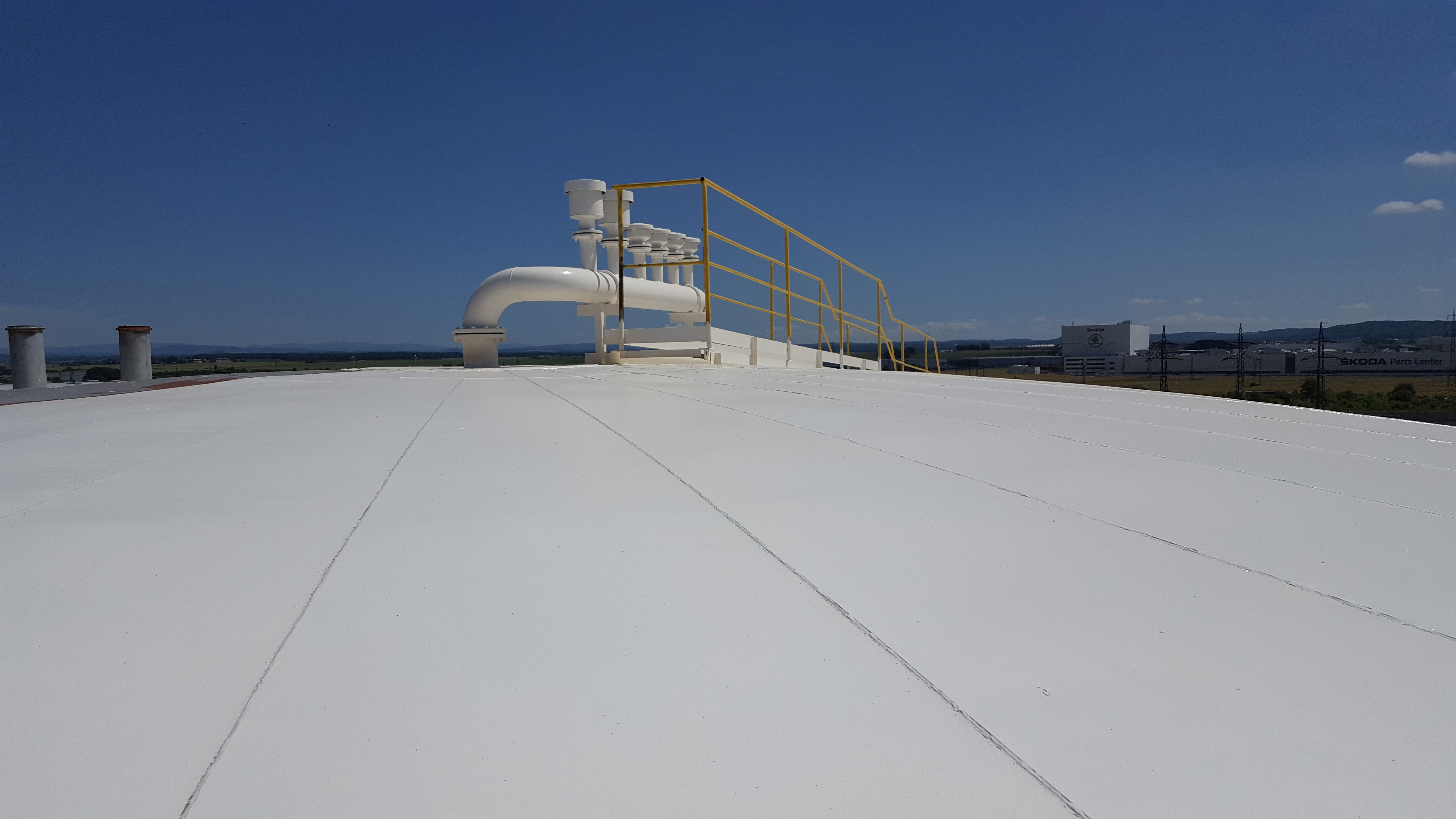
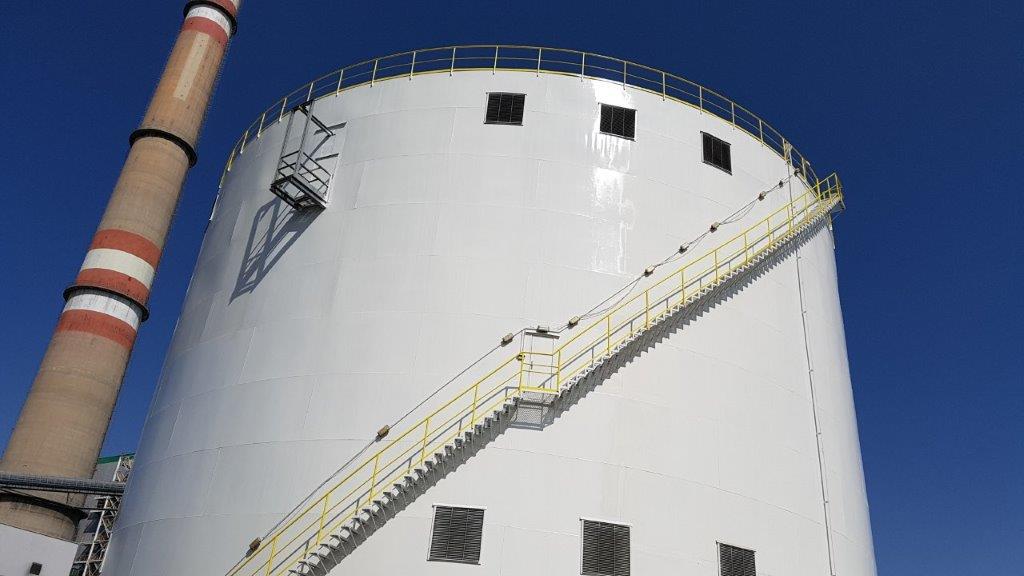
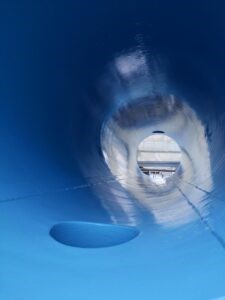
    Tank in Nuclear Power plant coated with Chesterton coating

    All of this work had to be completed within a short outage window following strict quality and safety requirements. This challenge was successfully met by the applicator who was able to apply the ceramic reinforced coating on time and to the satisfaction of the power plant. Over the following five years another 10 water storage tanks were lined with ARC SD4i. During this time, the power plant has seen a vast improvement in the purity of the water coming from the ARC lined tanks.”
    Reliable long-term performance leads to superior customer experience

    It often takes many years before such large-scale projects can be successfully realized. Especially in a demanding business like the power industry, which only allows qualified coating products in accordance with special standards.

    The 11 tanks in the project described above have been in operation for many years. Our customer is still very satisfied with ARC SD4i – the quality of the water is impeccable, no contamination, no signs of corrosion. It is worth mentioning that in each tank an area of 980m2 was coated in a short period of 11 days! As production downtimes are very expensive in the energy sector, only a very short time frame is specified for each type of maintenance work.

    Conclusion

    When it comes to protecting the quality of water used in thermal power plants, Chesterton ARC coatings have proven that they have the required properties needed to achieve long-term corrosion and water purity requirements

    If you would like more information about Coating solutions for your facility, please contact our Expert Desk.

    You can also make a preliminary product selection using our product selector. Our product engineers will gladly assist you in selecting the ideal product for your application.
  • Chesterton® Mechanical Seals: Game Changer for Profitability in Pulp and Paper Plants

    Chesterton® Mechanical Seals: Game Changer for Profitability in Pulp and Paper Plants

    Chesterton is a full-solutions provider for pulp and paper mills and understands energy, efficiency, reduced water consumption and downtime are key cost differentiators in the industry.

    The pulp and paper industry faces several significant challenges today. These challenges span environmental, economic, technological, and regulatory aspects. Some of the main challenges are the aging infrastructure, cost of energy and maintenance as well as water scarcity and environmental regulations.

    Mechanical seal technology plays a vital role to combat challenges in Today’s environment for the manufacturers in Pulp and Paper Industry.

    Keep your Machinery Running 24/7 – Achieve More Reliable Sealing of your rotating equipment

    Chesterton’s advanced mechanical seal technology utilizes high-quality materials that provide long-term resistance to corrosion from chemicals such as caustic soda and chlorine compounds, as well as erosion and wear from abrasive particles in the pulp slurry.

    Our mechanical seal designs are ideal in applications with varying pressures, temperatures and speeds / flow rates and are easy to install, inspect and replace. Maintenance times and costs can be significantly reduced, resulting in optimum operating efficiency.

    Chesterton cartridge seals reliably minimize leaks and maximize pump performance

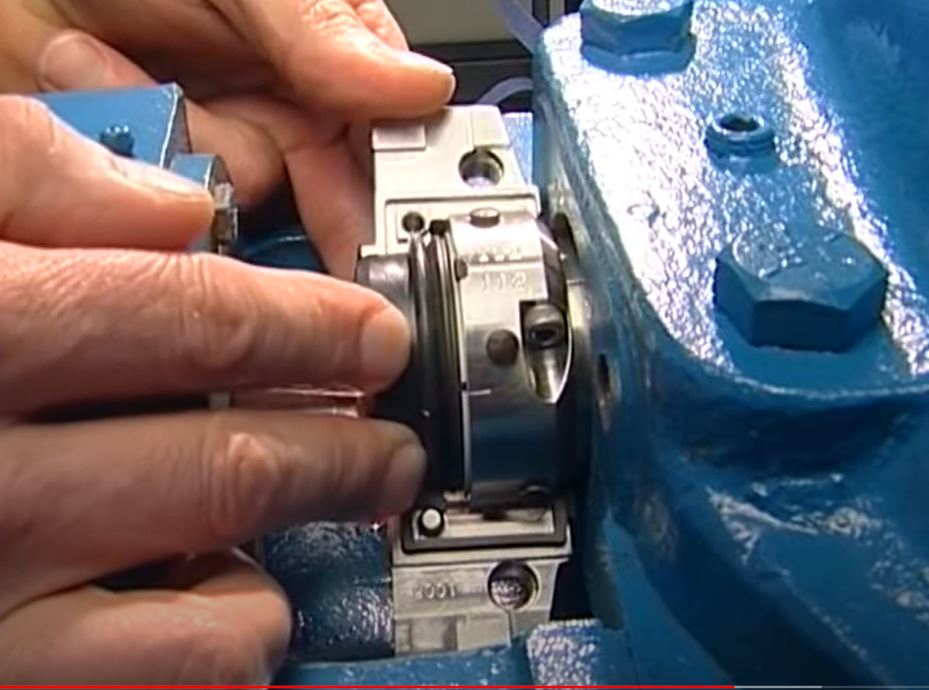
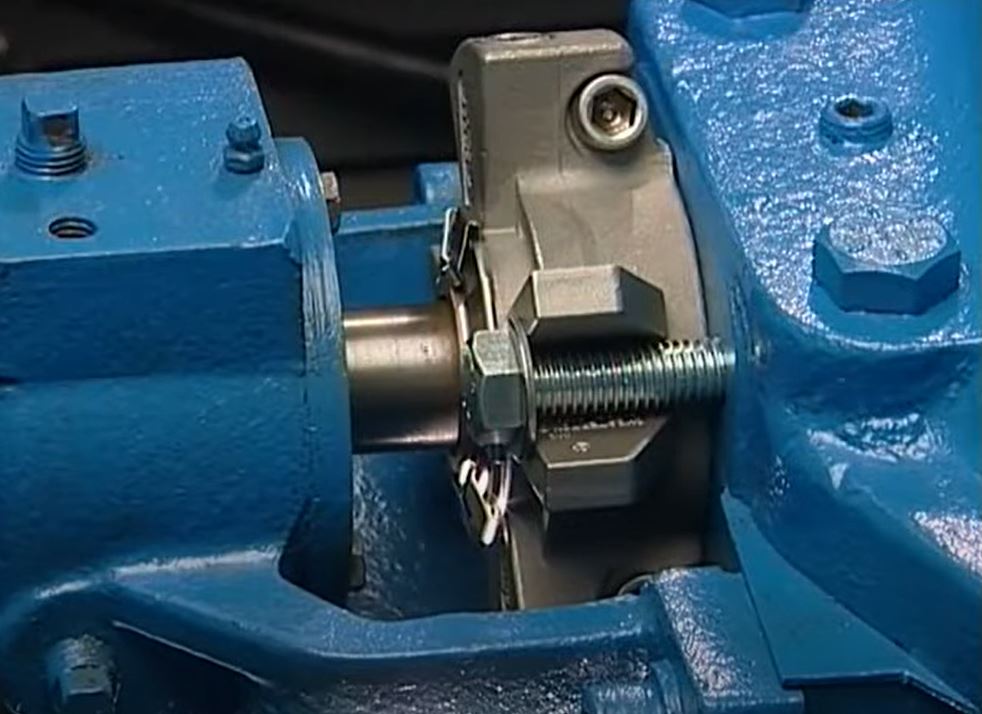
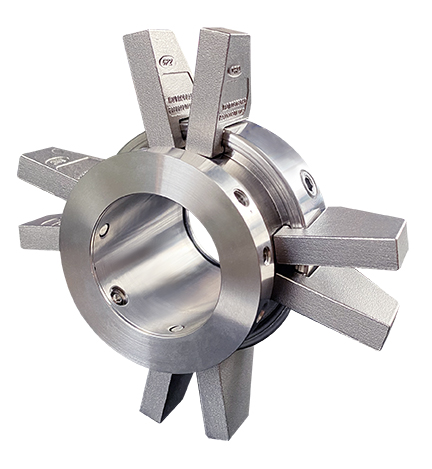
    Chesterton Mechanical Seal 1510

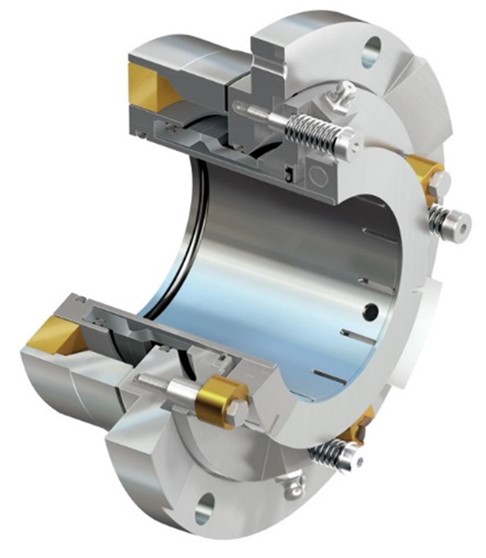
    Chesterton offers a wide range of suitable mechanical seals for the demanding paper industry. In this article, we like to highlight our AXIUS™ Platform 1510 Single Cartridge Seal. With this pre-assembled cartridge seal, you can achieve maximum pump performance with simple installation:

    • Reliable through temperature cycling and intermittent process with monolithic seal faces
    • In service impeller adjustment is possible with the unique centering strap
    • Mounts easily on various types of rotating equipment using Chesterton T.A.B.S.™ technology
    • Prevents damage to your equipment and internal components via true non-fretting design

    The Chesterton T.A.B.S. (Tapered Adjustable Bolting System) is an innovative fastening system that helps ensure even stress dispersion and optimum sealing due to its tapered design and adjustability. It offers numerous benefits, including improved sealing performance, longer component life, ease of installation and maintenance, increased operational reliability and cost efficiency. Due to these features, the T.A.B.S. system is successfully used in various industries, including the pulp and paper, chemical, power plant, and food and beverage industries.

    Key Benefits of Chesterton Mechanical Seals

    1. Plant wide standardizations with AXIUS Platform seals 1510 and 2510: Equipment standardization in industrial plants, including those in the pulp and paper industry, can significantly impact cost reductions in several ways.

    Here are the primary benefits:

    • Improved Reliability and Performance
    • Lower Maintenance and Repair Costs
    • Training and Workforce Efficiency
    • Innovation and Upgrades
    Chesterton Mechanical Seal 2510

    By adopting equipment standardization, plants can achieve significant cost savings across various areas, enhancing overall operational efficiency and financial performance.

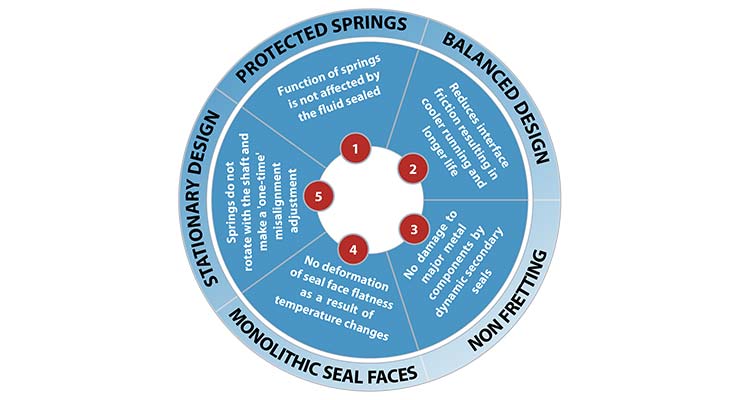
    2. AXIUS Seal product line with 5 Key Seal features to “safety-belt” off conditions: These design elements help ensure that the seals can withstand challenging operational environments, reduce maintenance costs, and enhance overall equipment performance.

    • Protected springs
    • Balanced design
    • Non fretting
    • Monolithic seal faces
    • Stationary design

    By focusing on the five key features of mechanical seal design, Chesterton mechanical seals aim to provide high reliability, ease of use, and longevity in a wide range of industrial applications.

    3. Improved Efficiency reduces overall cost: High-quality sealing technologies are crucial for the efficiency of pulp and paper systems. Water and energy savings are critical for reducing environmental impact and operational costs. Here is how they contribute to these savings:

    • Energy savings through reduced friction losses compared to gland packing technology.
    • Water savings by eliminating or reducing seal leakage and flush requirements.

    Decades of presence in the paper sector bring plant operators forward

    Chesterton has been a leading supplier of sealing solutions in the paper industry for many years. Our advanced mechanical seal technology effectively contributes to a longer service life of mechanical equipment, significantly extending MTBR. Chesterton also has systems that achieve considerable savings in flushing water.

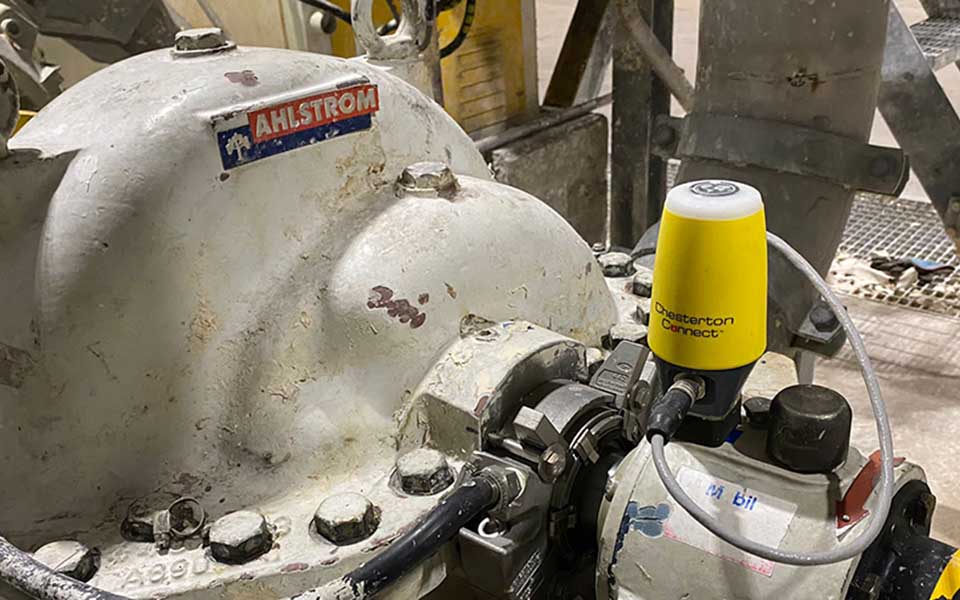
    With the Chesterton Connect™ system, we also offer an IIOT-based monitoring solution for mechanical seals and rotating machinery that monitors the performance of your equipment and alerts you to anomalies that could lead to downtime or malfunctions.

    For more information about our mechanical seals, visit our “Reliability Matters” blog, which covers essential topics such as the “5 Key Features for Good Mechanical Seal Design.”


    Here you can gain an insight into our decades of experience in the water and wastewater sector:

    Case Study #1:
    Chesterton 1510 Seal and Connect Monitoring Increase MTBR

    Case Study #2:

    Chesterton 442C Cartridge Split Seal & SpiralTrac Saves Plant 3 Million Gallons of Water

    Pulp and Paper Brochure:

     Pulp and Paper Brochure – Industry Solutions and Services


    Conclusion

    Addressing the challenges the pulp and paper industry is challenged with multiple requirements a multifaceted approach, including adopting sustainable practices, investing in new technologies, improving operational efficiency, and engaging with stakeholders to align on environmental and economic goals.

    A thorough review of equipment and their sealing solutions in terms of water and energy efficiency is required and Chesterton solutions are available to increase plant profitability in many ways.

    Do you have any questions about our Mechanical Seal Technology? Our Expert Desk is here to help. We are happy to assist you!

    You can also make a preliminary selection using our product selector. Our product consultants will gladly assist you in selecting the ideal product for your application.

  • Roll on, Roll on, Roll on – with Chesterton® Advanced Bearing Reliability Programs

    Roll on, Roll on, Roll on – with Chesterton® Advanced Bearing Reliability Programs

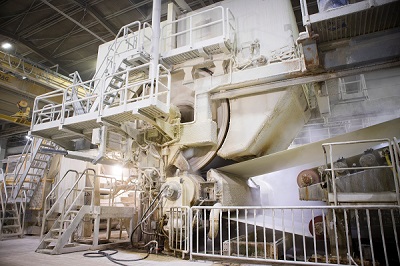
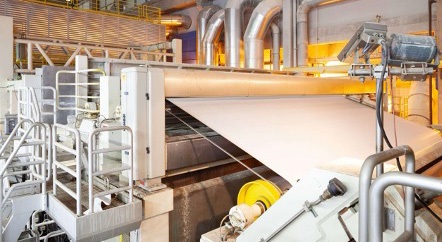
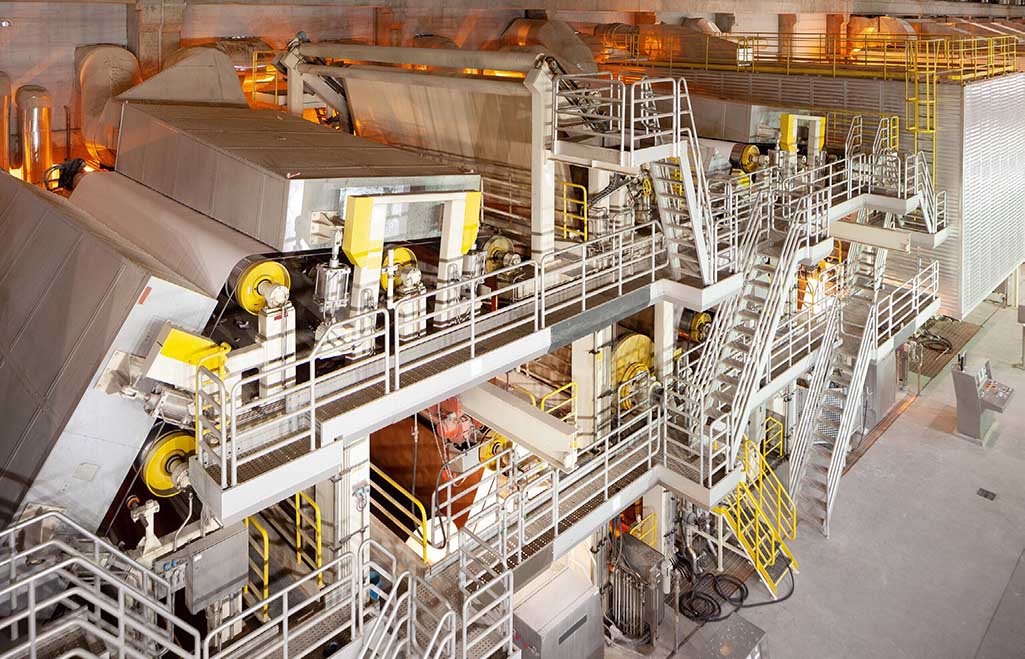
    Modern paper machines are up to 150 meters long, 10 meters wide and run at speeds of up to 2000 meters per minute. Huge giants, 24/7 in operation, programmed for smooth production without downtime. Outside of the paper machine itself there is a complex process including the wood yard, stock preparation, pulping and paper conversion.


    The operational challenges of the pulp and paper industry are complex. The production process is demanding, and equipment is constantly exposed to a humid and chemical-laden atmosphere. Without suitable lubricants, damage occurs to rotating machinery, which in the worst case can bring the entire plant to a shutdown and result in extremely high maintenance costs. Maximizing the Mean Time Between Failures (MTBF) is essential to optimize the production process and profitability.

    Defying all challenges – Chesterton® Advanced bearing lubrication

    Lubricants are required to deliver top performance in the pulp and paper industry, as they have to perform reliably under harsh environmental conditions such as moisture, dust, contamination, chemicals, temperature, pressure or vibration. In these aggressive conditions, high performance lubricants and maintenance products help to keep machines running reliably and trouble-free, prevent premature equipment failure and thus increase plant productivity.

    For these demanding applications, Chesterton provides lubrication products for chains, bearings, wire ropes, cables, open gears, pneumatics and sliding lubrication.

    In this article, we focus on bearing lubrication, which plays a crucial role in the pulp and paper industry.

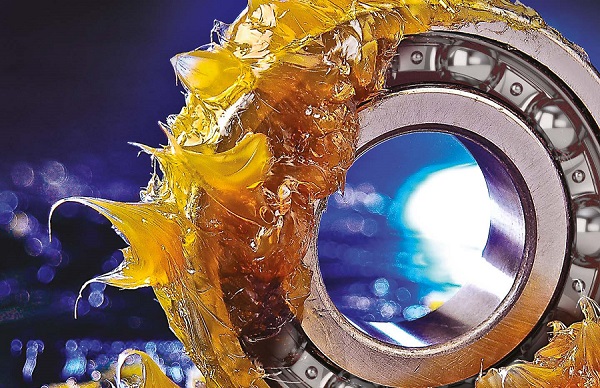
    Chesterton Industrial Lubricants prevent from corrosion

    As a lubricant manufacturer, what special factors do we consider when developing bearing lubricants? What special benefits do our products offer paper mills?

    • “Water and moisture” factor in paper mills – risk of bearing corrosion and wear
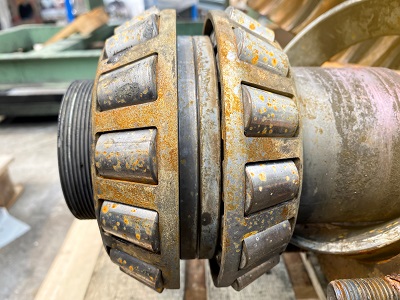
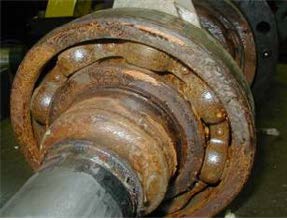
      Conventional elastomer lip seals for equipment bearings are designed to prevent the ingress of water and moisture. However, their service life is limited, and reliable sealing diminishes after approx. 3000 operating hours. If these simple lip seals fail, water from the environment ingresses into the bearing housing and the grease can be washed away. Grease being washed away is a concern, but even more concerning is, with what it is replaced with, water!!!
      Constant lubrication is now interrupted and bearing wear is accelerated by friction and corrosion. This reduces the service life of the bearing and leads to premature failure. Chesterton’s advanced sulfonate complex technology shows best in class water washout resistance and corrosion protection. This high performance can be seen in tests according to ASTM, ISO and DIN standards. You can find the test results on our product data sheets – feel free to compare them with those of our competitors.
    • “Load and vibration” factor – risk of bearing damage
      Bearings are among the most important components of rotating equipment and electric motors. High speeds, heavy loads, high operating temperatures, start/stop function, high vibrations in rotating equipment – all these factors push bearings to their limits. Many customers replace the bearings on their equipment due to damage caused by wear and vibration. Chesterton lubricant technology contains advanced lubricity and extreme pressure additives that enhance grease performance in these challenging conditions for both, equipment and electric motor bearings. As with the “water/moisture factor”, there are standard ASTM, ISO and DIN tests to measure the performance of greases to help customers select the best product for their application.
    • The “human” factor in paper mills
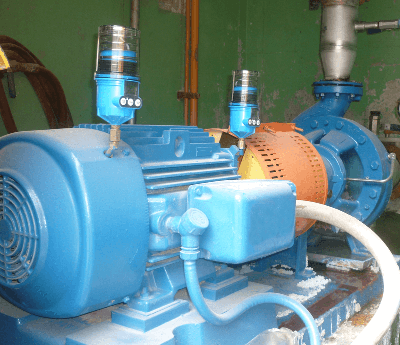
      Another factor that has not been addressed yet is the “human factor”. Timely manual lubrication often is not carried out consistently or regularly during the operational process. This can lead to over- or under-lubrication. Over-lubrication means excessive consumption of lubricants, is therefore uneconomical and can cause temperature build up, which reduces the lifetime of the grease and can lead to premature failure of the bearing. Under-lubrication can lead to system failure in the long term. Automatic programmable lubrication systems for grease and oil, such as the Chesterton Lubri-Cup™ dispenser, help ensure a regular and timely supply of lubricants.  

    Continuous lubrication with Chesterton Lubri-Cup™ Lubricant Dispenser means optimum bearing performance and increased work safety

    Our Chesterton Grease Lubri-Cup automatic lubricator provides the right amount of lubricant when required. It helps extend bearing lifetime and reduces bearing maintenance. As the name suggests, lubrication runs automatically with the right grease, at a constant interval with the correct amount of lubricant. Our “Stories of Success” result in longer service life of the bearings and an immense extension of the MTBF.

    Here is one of our success stories:

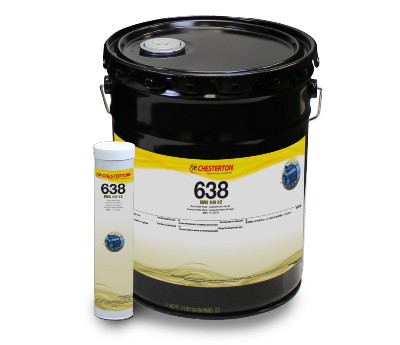
    Our Lubri-Cups were used in a plant with over 7000 electric motors. The customer had a vibration monitoring program in place but found that some critical motors were experiencing excessive vibration causing premature bearing failure. The customer decided to run a test using Chesterton 638 Electric Motor Grease. Immediately after applying 638 EMG into the bearing housing, a reduction in vibration was visible. As a result of the test, the customer decided to use Chesterton 638 EMG as the standard grease for all electric motors. Other benefits for the customer included reducedgrease consumption and an increase in bearing lifetime. One of the reasons for the success of the 638 EMG was due to its additive plating technology called QBT (Quiet Bearing Technology). This helps fill any surfaceirregularities or damage on the bearing surface and allows the bearing to run more smoothly and quietly.

    Chesterton® High-Performance-Grease for bearing lubrication under extreme conditions

    From our extensive portfolio of industrial lubricants, we focus on our high-performance greases 615, 617(E) and 638 EMG for the pulp and paper industry. These greases are specifically designed for heavy loads and high temperature applications in wet, corrosive environments. They are used in various equipment in many industries and offer outstanding performance for the lubrication of machine bearings.

    Benefits include:

    • Less grease washout, therefore lower grease consumption and lower acquisition costs. Elimination of bearing failures due to corrosion.
    • High lubricity, extreme pressure performance – resulting in longer bearing lifetime and reduced downtime.
    • Thermal and shear stability – elimination of oil bleed from grease and hardening in the bearing.  

    Bearing protection at its best – our lubricants and polymer seals

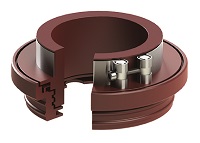
    Chesterton also offers advanced bearing sealing solutions in the form of our Polymer Labyrinth Seal (PLS), which provides protection for the bearing and offers customers a significant advantage over conventional lip seals in terms of service life. In addition, this solution is available in a split design, which allows for easy installation.


    Conclusion

    The pulp and paper industry has very special requirements for machine bearings. The advanced lubricants from Chesterton help against “bearing killer” conditions such as corrosion, grease washout, load and vibration and make a considerable contribution to a long bearing life.

    If you would like more information about our bearing reliability program, please contact our Expert Desk.

    You can also make a preliminary product selection using our product selector. Our product consultants will gladly assist you in selecting the ideal product for your application.

  • Production Efficiency and High Pump Reliability thanks to Innovative Packing Technology

    Production Efficiency and High Pump Reliability thanks to Innovative Packing Technology

    Paper and pulp production is an extremely demanding industry. It is a long way from the processing of raw wood to the production of fine writing paper. In many manufacturing steps, the abrasive raw material is processed with hot water and chemicals. This means that all machine components need to be highly resistant to wear, high and changing temperatures and chemical attack.

    A wide range of pumps and rotating machines are used in this industry. Digesters, mixers, agitators, pulp pumps, screw conveyors, steam boilers – all of this equipment requires high-performance pump packing or shaft seals for efficient operation. Failures of individual pumps and machines can affect the entire process chain and can be very expensive if not addressed in a timely manner. 

    The use of innovative sealing technologies can increase the service life of the equipment and significantly reduce maintenance costs. Flushing water consumption is also considerably reduced, which is also a major benefit for the environment.

    Chesterton offers High-Performance Packing for Demanding Applications

    Reduced leakage, reduced maintenance, longer machine life – you can achieve these benefits by choosing the right mechanical packing.

    Our extensive portfolio includes high quality packing solutions that can provide excellent sealing performance, reduce operating costs and increase the productivity of your equipment by reducing downtime. We would like to highlight some special products for the complex paper industry:

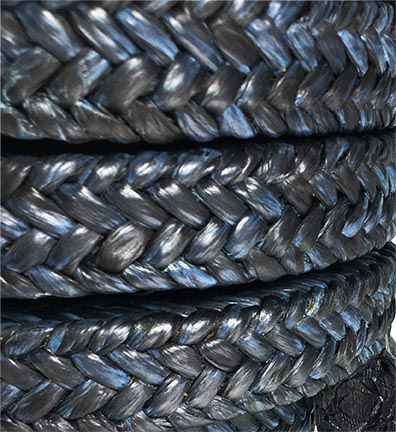
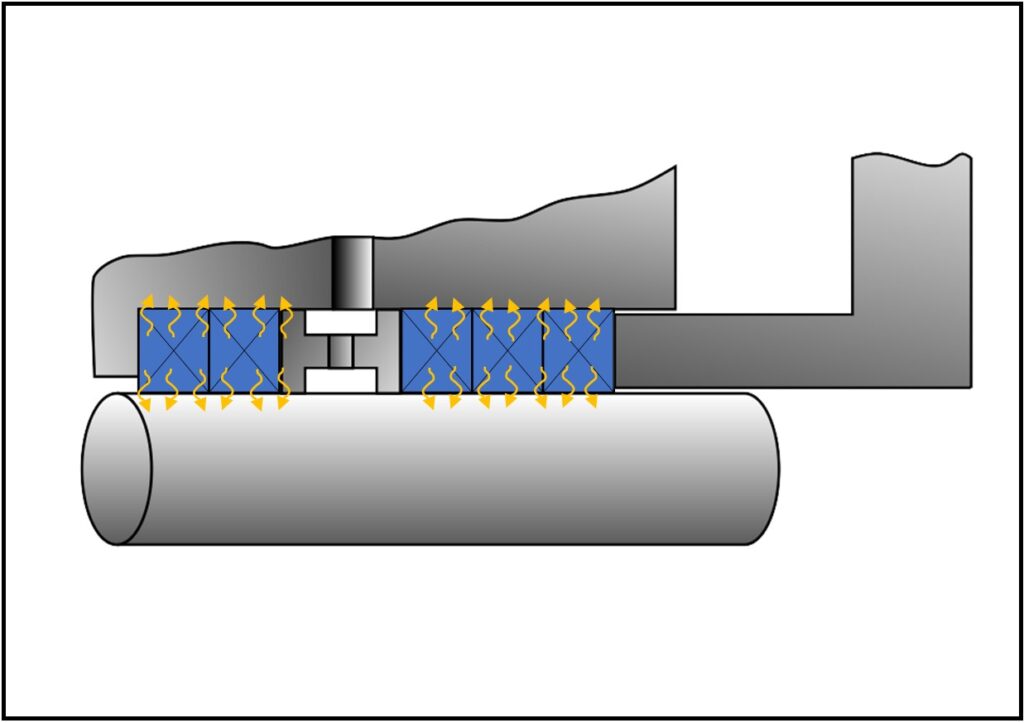
    Chesterton® 377 CarbMax™ packing is successfully used for very demanding rotating machines, such as digester applications in the PPI sector. Braided to a high density, the product offers high resistance to abrasive materials and chemicals. The Chesterton 377 CarbMax™ packing is characterized by good thermal conductivity; dissipating frictional heat from the dynamic sealing surface. This robust design ensures a long service life of the packing with low maintenance requirements.  This shaft seal can improve the overall efficiency of your system by significantly extending the Mean Time between Repairs (MTBR).

    Chesterton Mechanical Packing 377 CarbMax
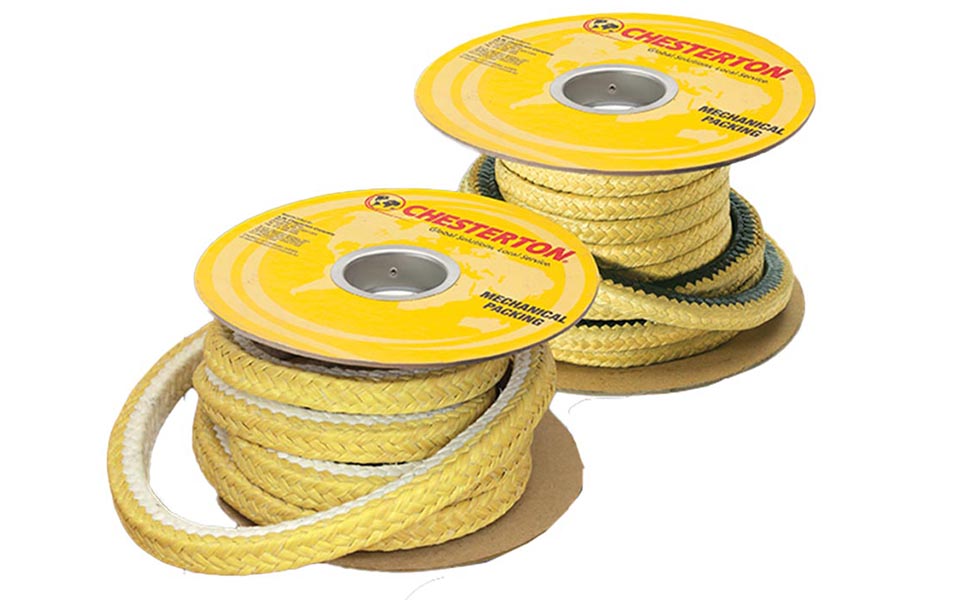
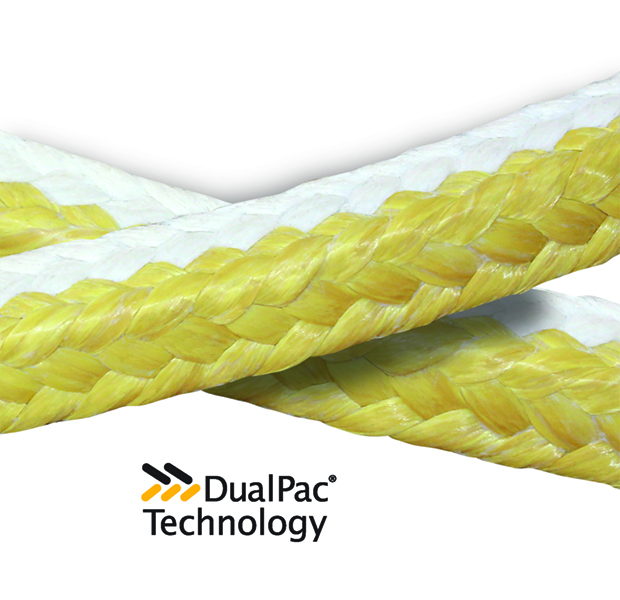
    Chesterton 2212 DualPac - mechanical packing

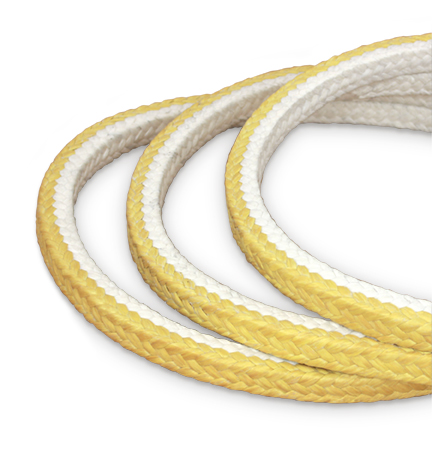
    The Chesterton DualPac® 2212 packing is a temperature-resistant, non-staining, high-pressure packing with superior sealing performance that requires minimal gland adjustment.

    Thanks to the patented braiding process, the DualPac 2212 packing combines burn- and glazing resistant materials on the shaft side with high-strength fibers on the outside.

    The high strength aramid fibers on the outside give the packing a strong, extrusion resistant and resilient base. The dynamic shaft side of the packing remains firmly pressed against the shaft and helps to ensure that the stuffing box requires only minimal adjustment, that leakage is reduced, and that the shaft is not damaged by burning and scoring.

    Many fluid media contain particles – such as the paper pulp in the pulp and paper industry. The problem with solids is that they cause excessive wear of the shaft sleeves and reduce the life of the packing. The solids usually settle at the interface between the rotating shaft sleeve and the pressure packing as they pass through the stuffing box. This reduces the Mean Time Between Repairs (MTBR) and increases maintenance costs.

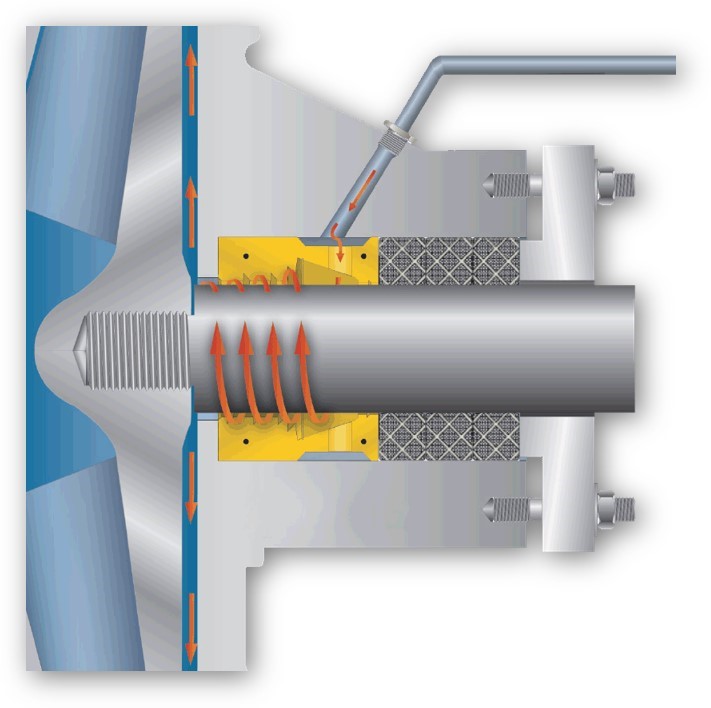
    In addition to our high quality stuffing box packings, we recommend SpiralTracTM technology* to remove solids from the sealing environment to prevent wear of the shaft sleeve.

    Advantages of the additional use of the SpiralTracTM packing device

    • Reduction in pump and rotating machine downtime
    • Extension of the service life of pumps and rotating machines
    • Increased service life of the stuffing box packings used
    • Extension of the MTBR
    • Reduction in the amount of flush water required (often by 60% or more)
    Spiral Trac and Mechanical Packing from Chesterton

    When stuffing box gland bolts are difficult to access, manually adjusting the packing can be difficult and put the safety of personnel at risk.

    Chesterton AMPS (Automated Mechanical Packing System)

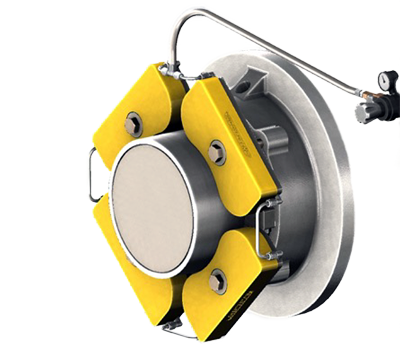
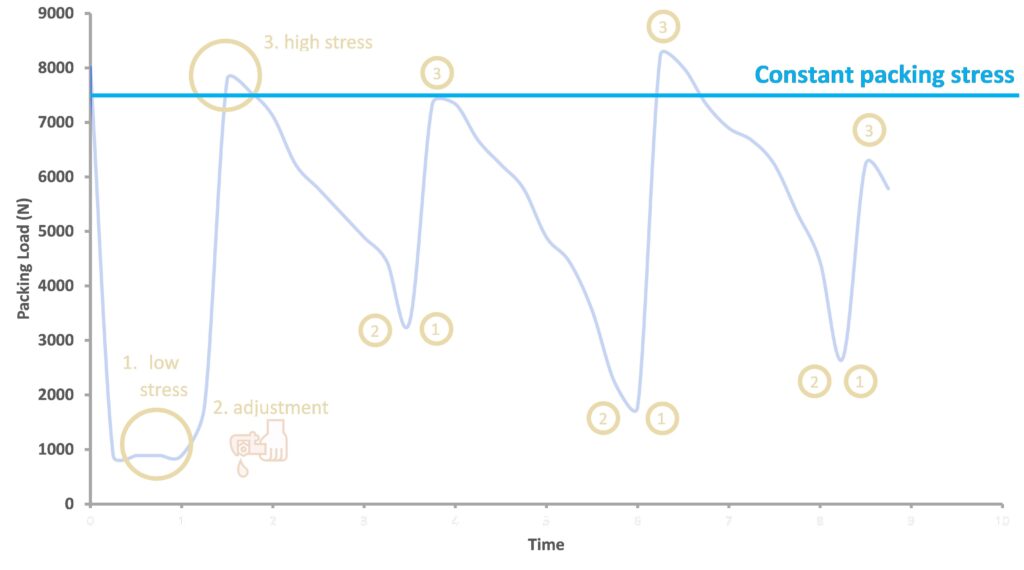
    This is where our Chesterton AMPS™ (Automated Mechanical Packing System) innovation is the solution. By automatically adjusting packing compression, this technology significantly reduces maintenance costs and eliminates any safety concerns. The AMPS unit maintains a constant force to the packing at all times. This process, called Active Loading, provides an even and consistent load that eliminates the need for manual packing adjustments and maximizes packing performance and life. This technology helps to minimize leakage, reduce maintenance and improve sealing performance. It also increases operator safety by allowing remote adjustment of the stuffing box pressure.


    Here you can gain an insight into our valuable experience: (case studies from www.chesterton.com)

    Case Study #1: Reduce Maintenance Costs and Increase MTBR for Sorting Screw Conveyor

    Case Study #2: Increase MTBR on Oxygen Reactors with 377 CarbMaxTM Packing

    Case Study #3: Paper Mill Improves Equipment Reliability and Safety with Chesterton® Solutions


    Conclusion

    Chesterton offers high performance packing products combined with new technical and automated innovations, which can significantly reduce the operating and maintenance costs of your rotating equipment, significantly extend MTBR, and clearly reduce leakage and shaft wear. Together with the advanced Chesterton mechanical seals, you get complete, plant-wide shaft sealing solutions.

    We will gladly help you with any questions regarding Chesterton Mechanical Packing Devices.
    Please ask our Expert Desk for further information.

    You can also make a preliminary selection using our product selector. Our product consultants will gladly assist you in selecting the ideal product for your application.

    *SpiralTracTM is a trademark of EnviroSeal Engineering Products Ltd.

  • Chesterton® High-Performance Industrial Coating Solutions for Corrosion and Abrasion Challenges in the Pulp and Paper Industry

    Chesterton® High-Performance Industrial Coating Solutions for Corrosion and Abrasion Challenges in the Pulp and Paper Industry

    The pulp and paper sector is a demanding industry. From debarking and wood processing to the chemical processing of paper pulp and the manufacture of finished products – the work steps in this field are complex. The production of paper, cardboard and pulp requires many machines, a lot of water and certain chemicals. Plant operators have major challenges with corrosion and abrasion, which can affect the plants’ operation and performance. Increasing equipment performance, occupational and environmental safety and energy saving are extremely important for manufacturers to be able to reduce costs and increase profitability.

    How can Chesterton help to improve efficiency in pulp and paper production with high-performance industrial coatings?

    The processes used in the production of pulp and paper from wood chips, recycled paper and fibers are associated with high temperatures, high pressures, wear, abrasion, impacts or corrosion, all of which can affect the operation of mechanical equipment in various parts of the plant. High costs are incurred due to the wear of metal and concrete surfaces, erosion or cavitation of pumps, or corrosion caused by contact with chemicals. With Chesterton coatings, not only can new equipment be protected to increase the meantime between repair or failure, but also the repair and reconstruction of already damaged components is possible to increase operating lifetime, reduce spare part inventories and can therefore be extremely cost-efficient.

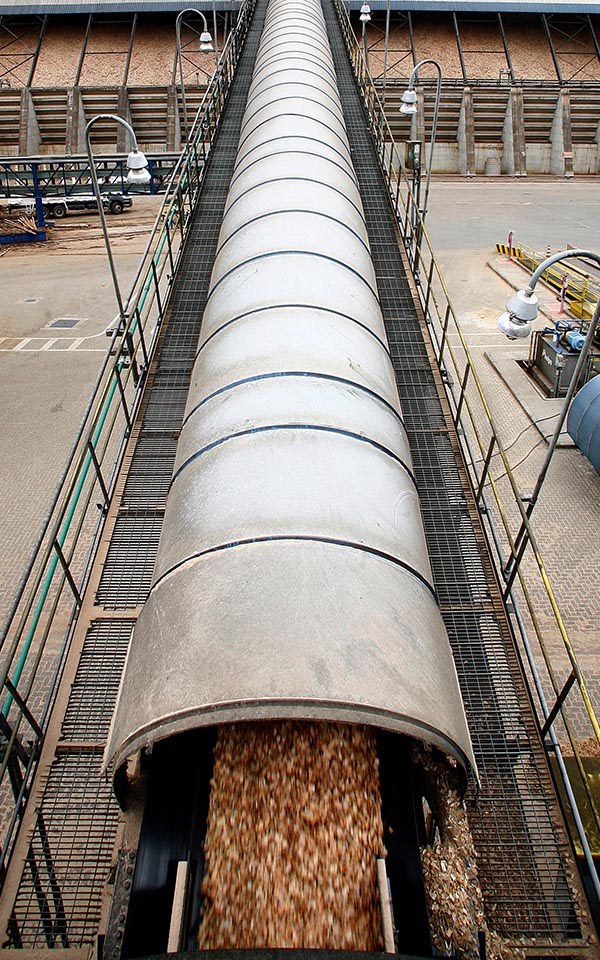
    wood storage for paper industry

    As in any other industry, the pulp and paper sector has several main targets:

    • Increasing profitability and reliability
      Chesterton offers a comprehensive portfolio of ARC and Ceramic-Polymer Coatings specifically designed for areas where severe abrasion resistance, long-term corrosion protection even in wet chemical applications or high temperature corrosion resistance are required. Whether concrete or steel substrates, the use of Chesterton coatings – also for surface repairs – can help extendthe service life of mechanical equipment.
    • Worker safety and environmental protection
      The long-term performance of Chesterton industrial coatings significantly reduces the need for repair and maintenance work. This not only saves labor costs, but also increases the safety of personnel. The environment benefits, for example, from properly coated secondary containment basins that prevent chemical-containing production water from entering the surrounding area. Repair and protection of operating equipment with Chesterton coatings also contributes to improved environmental performance by reducing the number of new parts that must be kept in inventory.
    • Energy saving
      The application of smooth high performance ceramic coatings to fluid flow equipment such as agitator propellers, cyclones, pipes, and many types of pumps can increase the flow speed of the fluids being handled, reduce power consumption, increase machine efficiency, and thus contribute to energy savings.

    Benefit from our experience in the pulp and paper industry

    Debarking Drums, Log Conveyors and Chippers, Agitators, Cyclones, Fan and Vacuum Pumps, Screws, Pulp Tanks, Press Rolls as well as Wastewater Tanks and Barrier Tanks – all these types of equipment can benefit from increased abrasion and corrosion protection. Chesterton industrial coatings of the ARC and Ceramic-Polymer product lines contribute to a considerably increased service life of the machines and the profitability of the entire plant is significantly improved. Furthermore, unscheduled machine downtimes due to unexpected failure or damage can be effectively prevented.

    The high-performance Chesterton coatings provide long-term protection for metal and concrete surfaces with the following properties:

    • 100% solids
      No evaporating solvents, enhances the safe use
      Resists corrosion and permeation.
    • Maximum Adhesive Strength to Substrate
      Resists disbondment, provide long-term performance.
    • Resists Underfilm Corrosion
      Enables localized repair on small areas.
    • Manufactured Under Vacuum
      Resists permeation through coating – critical for immersion applications.
    • Ceramic and Special Particle Reinforcements
      Resists abrasion, extends equipment life, reduces spare parts, reduces downtime.
    • Abrasion, Erosion/Corrosion, Chemical, Temperature Resistance
      Provides long-term protection of metal or concrete surfaces.
    • Cost effective
      Versus traditional repair methods.
    • Ease of application
      1-layer application by hand tools or airless spraying, saves working time and can often be applied on-site without removal of equipment.
    • Cold curing Technology
      No hot work or welding is required.

    From wood to paper – requirements for coatings to protect the mechanical equipment

    First, the bark is removed from the logs, and they are processed into wood chips. Debarking Drums and Screws Conveyors or Chutes require coatings that are highly resistant to impact and abrasion. 
    Our ARC I BX1(E), for example, is designed precisely for such demanding operating conditions. High impact resistance, hardness, and resistance to sliding wear characterize this product, hence it is also used in the mining sector.

    The ARC BX2(E) is equipped with finer particles and is applied for areas in pulp processing, such as screw presses and agitators, which require moderate abrasion resistance but increased temperature resistance and chemical resistance.

    The thick film coating ARC 858(E) is ideally suited for rebuilding heavily corroded or eroded metal surfaces in pumps or pulp tanks. ARC 855(E) and ARC SD4i(E) are often used as a topcoat for these repaired surfaces. With a thin layer, this system protects metal substrates against abrasion, erosion corrosion and chemical attack.

    Of course, the Chesterton portfolio also includes coatings for the protection of concrete structures, such as wastewater basins, stock, pulp and whitewater chests or secondary containment areas with chemical tanks.

    Talk to us! We will be happy to offer you the optimum coating solution. Please ask our Expert Desk for further information.

    You can also make a preliminary selection using our product selector. Our product consultants will gladly assist you in selecting the ideal product for your application.

  • Chesterton® Polymer Seals for Increasing the Efficiency of Paper Machines – the Performance Lies in the Detail

    Chesterton® Polymer Seals for Increasing the Efficiency of Paper Machines – the Performance Lies in the Detail

    The pulp and paper industry uses complex paper machines that run 24/7. As in every industry, efficiency is also the key word for this sector. The goal is to achieve a high level of reliability for machine components and significantly reduce downtime for equipment repairs. With the suitable polymer seals for the various machine components, Chesterton can help to effectively extend the operational reliability and MTBF (Mean Time Before Failure).

    Paper machines consist of a variety of equipment, ranging from rotating equipment of all kinds to hydraulic and pneumatic cylinders, hydraulic directional valves, control automation, but also various types of fittings such as valve flanges and dispensing systems. Chesterton offers specific polymer seals made from high-performance materials for these different devices.

    Rotating equipment in the paper industry: What are the challenges and how can we counteract them?

    In rotating machinery such as pumps, agitators, hydropulpers, gearboxes, fans, bearing housings, electric motors, and roll pivots, bearing failure is the main challenge. In the tough world of the pulp and paper industry, bearings are exposed to a variety of contamination including water, dust, heavy loads, vibration, abrasive contaminants and corrosive vapors. This leads to unreliability and very often to a significantly shorter bearing life.

    Bearings usually have lip seals (usually made of some kind of elastomer such as rubber) as a first line of defense. However, these only protect the bearing for a short time, far below the actual bearing service life. The rubber lip seal is there for keeping lubricant such as oil or grease inside the bearing not as protection function and was not designed for it even in many cases.

    If these conventional lip seals fail, liquid from the environment penetrates into the bearing housing. This washes away the second line of defense – the grease – and exposes the bearing metal to the extremely corrosive atmosphere. Heat, chemical load and the humid ambient conditions lead to bearing corrosion. Due to corrosion, bearings fail after a few thousand operating hours and, in the worst case, to the failure of the entire machinery. The solution to premature bearing failure is, of course, a high-quality grease for smooth bearing movement and a functioning lip seal. This can significantly extend the MTBF (Mean Time Before Failure) and the bearing service life.

    The first line of defense for equipment storage – Chesterton® Rotary Seals

    Chesterton has an extensive portfolio of excellent rotary seals, in particular the 30K Bearing and Gearbox Protection Seal, which is often chosen in the paper industry for its outstanding protective properties and durability.

    Furthermore, the split polymer seals are explicitly suitable for rotating equipment in the paper industry, offering high performance and quick and easy installation. For example, Chesterton’s patented  Matrix Rotary Seal is a split bearing protection seal developed to work on worn shafts and applications with high shaft runout.

    The non-contact Split Polymer Labyrinth Seal (SPLS) is specially developed for splash water lubricated bearing protection in large pumps, gearboxes and other rotating equipment. Here, the specific design helps to ensure effective protection: during operation, centrifugal forces and gravity ensure that the lubricant remains in the labyrinth and flows back into the bearing housing, while contamination from outside is excluded and directed back into the atmosphere.

    The R22KN5 Split Rotary Seal is used for slow-rotating applications. There are high-performance polymer materials, such as AWC860 Cherry Polymer, which are one of the best sealing solutions for pulp washer screens and filters in cellulose production.

    Product advantages and product benefits of Chesterton polymer seals for the protection of machine bearings

    • Low shaft friction
    • Sealing against external contamination of the bearing
    • Maintaining bearing lubrication
    • Long service life
    • High-performance construction and material
    • Simple installation (with split seals)
    • Extending the MTBF of rotating equipment

    Cylinder optimization with the 1-2-3 System from Chesterton – extending the service life of hydraulic cylinders

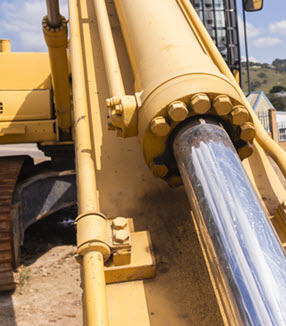
    In the pulp and paper industry, there are numerous hydraulic devices such as cylinders, presses, lifters, valve drives, pumps, control valves and directional valves. If cylinder seals do not perform adequately, leaks occur and hydraulic fluids spill out. These leakages cause contamination of the product, which leads to production losses, and have a negative impact on the environment and occupational safety.

    Chesterton EPS for pulp and paper machine

    Defective seals also provide no protection against external influences and contamination. Dirt particles enter the cylinder, causing corrosion and failure of the hydraulic system.

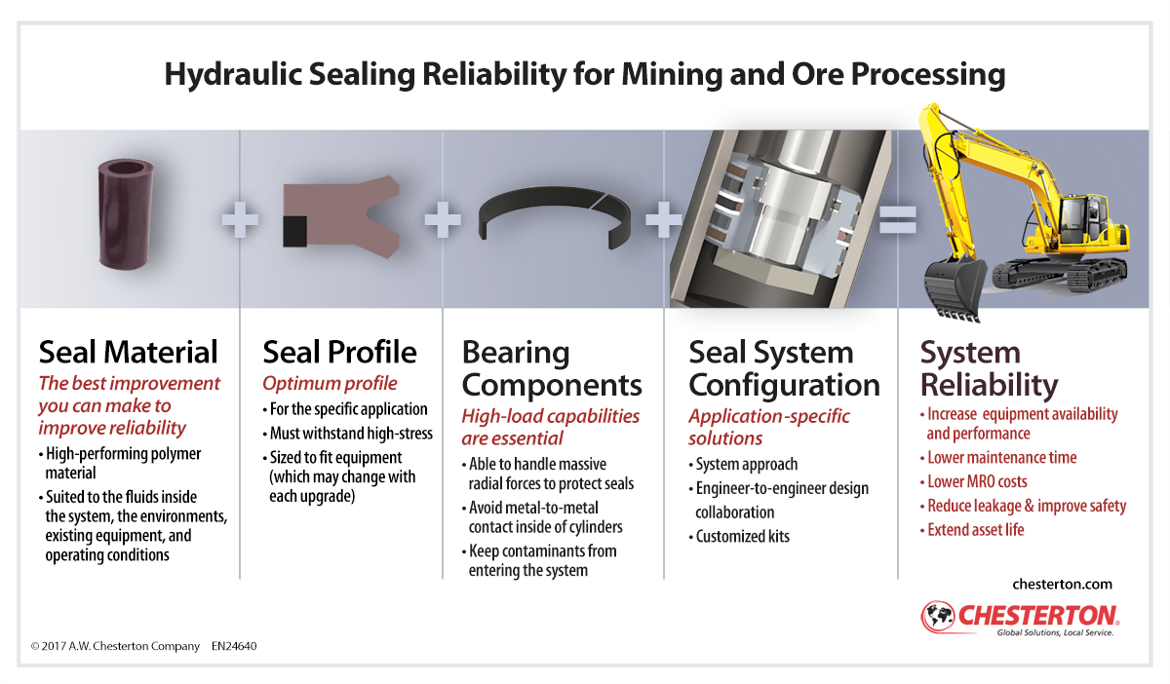
    Product-specific designs and complete sealing kits for cylinder applications optimize the performance of your systems. Complex packages for engineering advice, on-site support, failure analysis and retrofit components are also included in the comprehensive Chesterton service.

    The use of our high-performance cylinder seals in application-specific materials can

    • Minimize downtimes and maintenance costs
    • Improve reliability of the hydraulic system
    • Help extend the service life of hydraulic cylinders
    • Reduce the consumption of hydraulic fluid, avoid leakages
    • Significantly reduce operating costs and achieve considerable savings

    Benefit from our experience – here you can gain an insight into our field of activity:

    Case Study APAC0032 – Pulp and Paper – Polymer Labyrinth Seal

    Case Study APAC0038 – Pulp and Paper, OEM lip seal – Polymer Labyrinth Seal

    Case Study EN600351 – Spring-Energized Seals Deliver Better Performance of Offset Printing – Paper Industry


    Conclusion

    Chesterton’s advanced polymer seals increase the reliability of rotating and hydraulic equipment in all sort of Pulp and Paper plants. They help to protect bearings and hydraulic systems from wear and abrasion, enabling a longer service life for mechanical equipment. Our special polymer materials with excellent mechanical properties contribute to the efficiency of your equipment, even in the most demanding applications. Our unique split sealing solutions offer technically superior sealing and savings of thousands maintenance hours. Discover the comprehensive Chesterton portfolio.

    If you have any technical questions or if you would like assistance selecting the best sealing solutions for your specific pulp and paper application, please feel free to contact our Ask the Expert desk.

    You can also make a preliminary selection using our product selector. Our product consultants will gladly assist you in selecting the ideal product for your application.

  • Pulp and Paper Industry: Optimizing Pump Performance with Chesterton® IIoT Technology

    Pulp and Paper Industry: Optimizing Pump Performance with Chesterton® IIoT Technology

    In the pulp and paper industry, advanced process pumps are crucial for transporting suspensions at high consistencies, speeds, and pressures continuously. Ensuring these pumps operate smoothly is vital to avoid costly downtime due to unexpected technical failures.

    24/7 Remote Monitoring for Enhanced Performance

    What if the pumps could be monitored remotely 24/7? What if key parameters could be continuously tracked and anomalies in pump performance analyzed in real-time? What if relevant personnel could be automatically informed in the event of critical performance issues? Then, appropriate action could be taken before costly pump failures occur.

    Chesterton has developed state-of-the-art system monitoring devices that do just that – let’s talk about the Chesterton ConnectTM System.

    When it does not run smoothly – Chesterton ConnectTM System finds the failure in rotating machinery

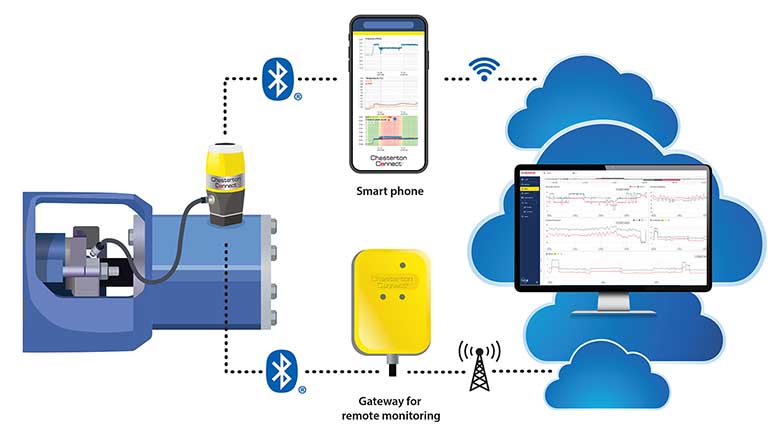
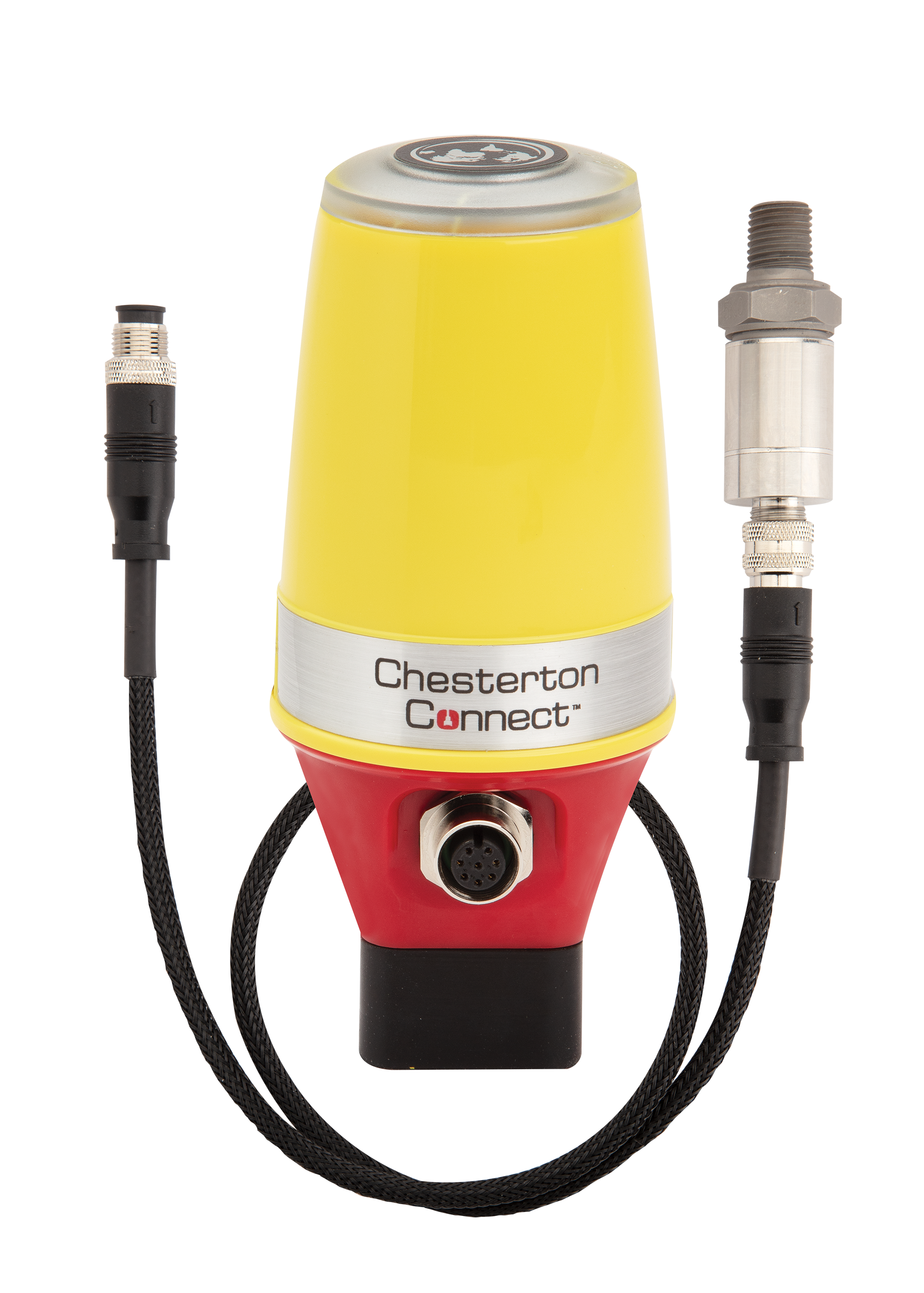
    When rotating equipment does not run smoothly, the Chesterton ConnectTM System helps identify the failure. The Chesterton ConnectTM System comprises robust, industrial-grade sensors, gateways, and an intuitive cloud dashboard. These sensors and gateways automatically capture and transmit equipment-operating conditions to the Chesterton Connect™ Cloud dashboard in near real-time. This simplifies remote equipment monitoring and enhances operational efficiency.

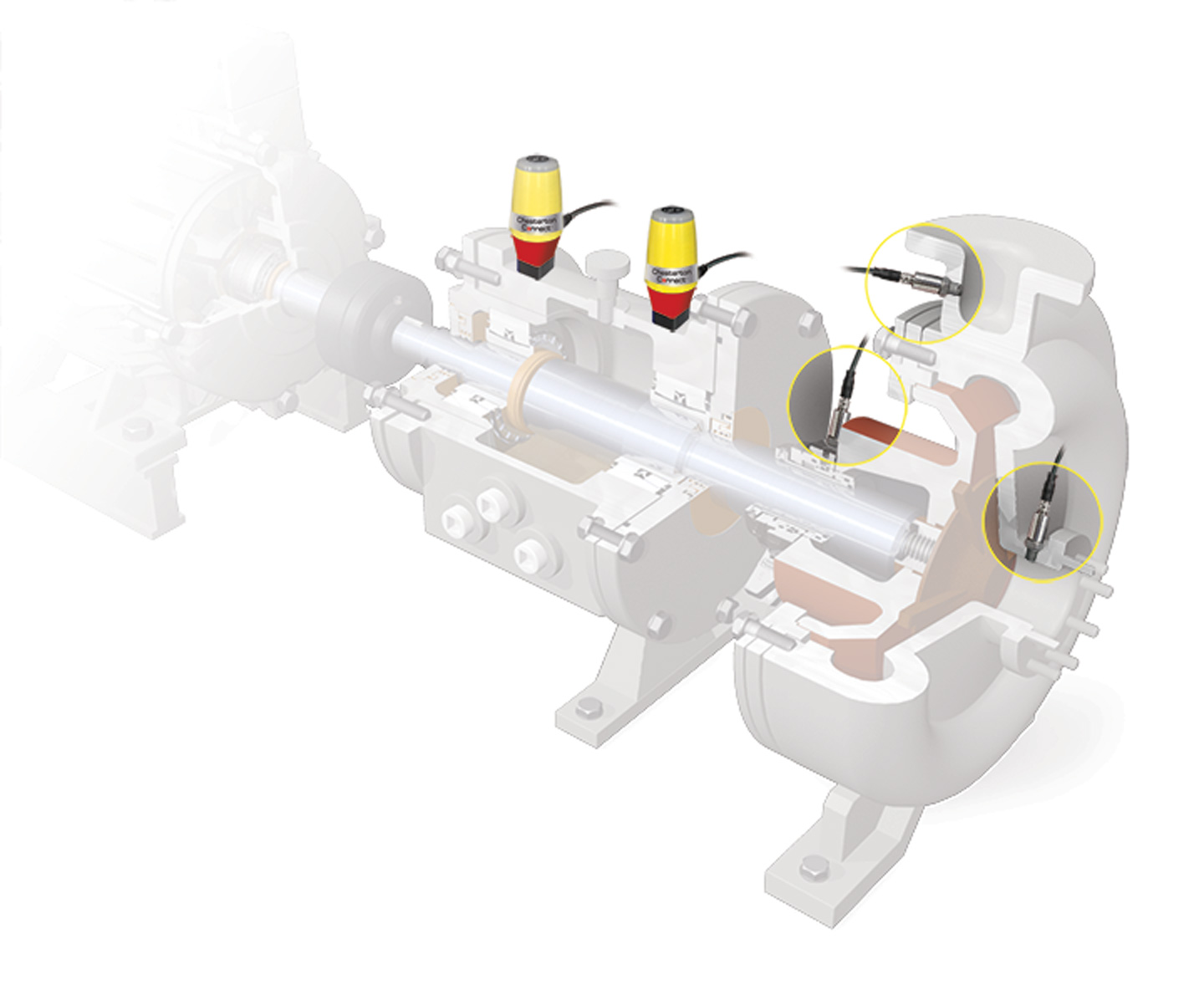
    The Chesterton Connect™ System allows for easy monitoring of mechanical seals and can be easily installed on various types of pumps and mixers equipped with mechanical seals. The following parameters can be monitored and compared around the clock and in near real-time, no matter where you are:

    • Process temperature
    • Process pressure
    • 3-axis Vibration (Acceleration and Velocity RMS)
    • Surface temperature
    Insight equipment monitoring with Chesterton Connect products

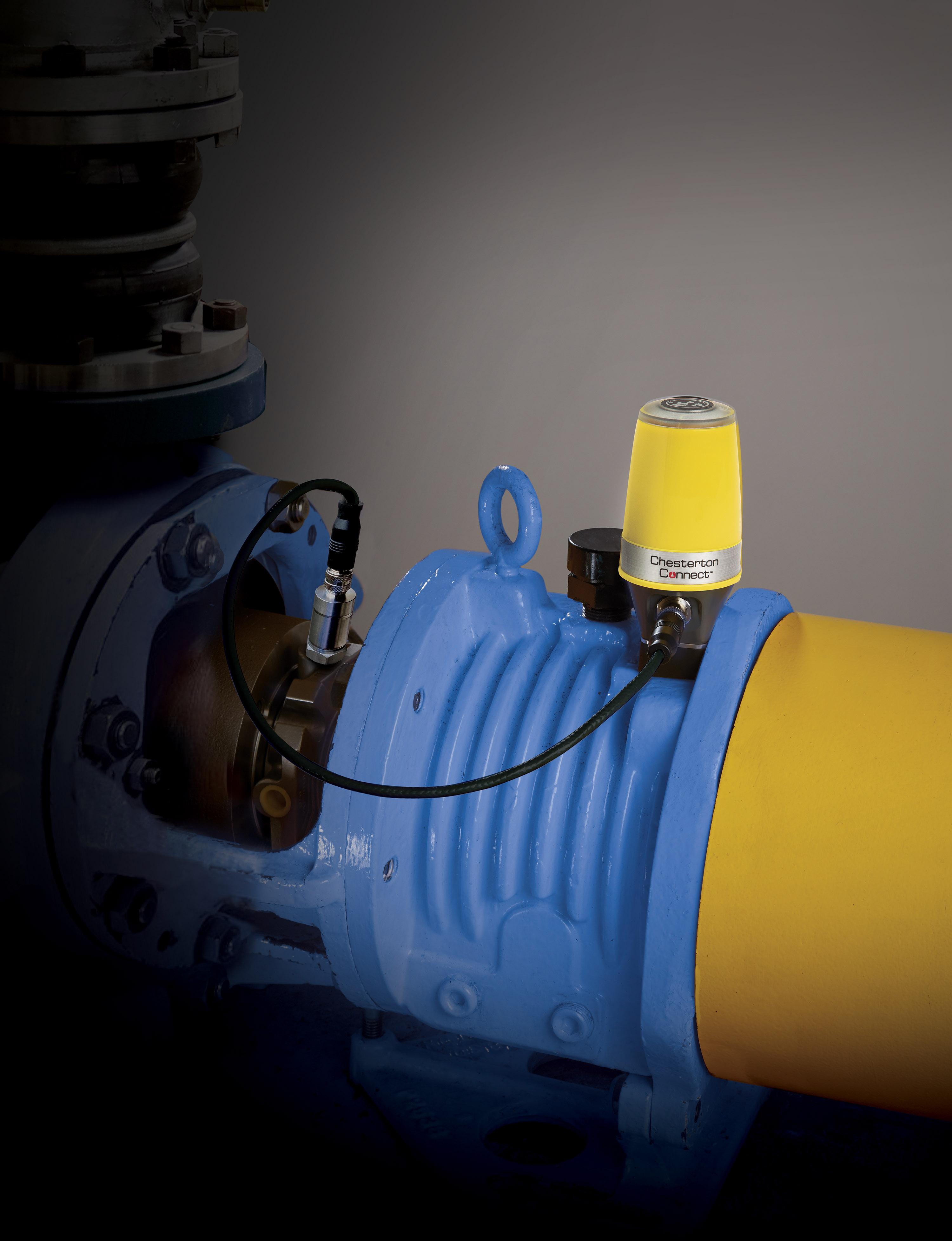
    The easy-to-install Chesterton ConnectTM sensors and user-friendly app give you a comprehensive overview of the status of your equipment. By setting thresholds, the mobile app and the device’s LED display system alert you to anomalies. This alert system helps you to take proactive maintenance measures to avoid unplanned downtime and system failures.

    Flexible Monitoring Solutions

    The Chesterton ConnectTM Sensor can monitor a rotating machine as a single device. With the Chesterton ConnectTM Gateway, up to 50 sensors, i.e. a complete pump park, can be efficiently controlled using the Chesterton ConnectTM Cloud.

    Key features of the Chesterton ConnectTM Cloud Dashboard include:

    • Real-time performance alerts, notifications and automatic reports via email or app.
    • The ability to monitor overall performance and compare data for up to 50 units per gateway.
    • Analysis of deviations, trends or comparison with industry standards.
    • Ability to add task notes for streamlined completion.

    Through data collection and analysis, the system provides insights that facilitate proactive maintenance planning, minimize downtime and extend the life of your devices.

    Proactive maintenance for cost savings

    In paper and pulp production, we can help our customers in many ways. In numerous reference cases, the Chesterton ConnectTM System provides support by monitoring the stuffing box pressure, the process temperature, the vibrations and the surface temperature.

    Typical applications

    One critical application in the process is the monitoring of the flow of stock supplied to the paper machine by the fan pumps. In this application, this is critical as the suction pressure and flow to the pump must be uniform and uninterrupted. Anomalies in the fan pumps can be localized and proactively eliminated before the reliability of the system is compromised or there is a risk of serious damage to the pumps.

    Another application is to monitor equipment after it has been installed. It is very common for a poorly fitted mechanical seal, a shaft misalignment problem or a faulty valve to cause failure very quickly. In this case, continuous monitoring of the equipment allows the user to be informed quickly in the event of a malfunction. Without an IIoT monitoring system, it is usually very difficult and time-consuming to find the real error in the system.


    Our interesting case studies will give you an insight into the performance spectrum and possibilities of the Chesterton ConnectTM System:

    Chesterton 1510 Seal and Connect Monitoring Increase MTBR

    Pump Vibration Issues Identified and Solved with Chesterton ConnectTM


    Conclusion

    The ability to connect up to 50 wireless Chesterton ConnectTM sensors to one gateway and create a complete monitoring network of multiple gateways enables efficient simultaneous monitoring of a large number of pumps and sealing systems. Give your team unparalleled insight into system health, gain actionable analytics and stay ahead of the competition in today’s rapidly evolving industrial landscape.

    Do you have any questions about our IIoT Technology? Please ask our Expert Desk. We gladly assist you.

    You can also make a preliminary selection using our product selector. Our product consultants will gladly assist you in selecting the ideal product for your application.

  • Chesterton® Mechanical Seals: Indispensable in the Water and Wastewater Sector

    Chesterton® Mechanical Seals: Indispensable in the Water and Wastewater Sector

    The water and wastewater industry is grappling with numerous challenges. Rising energy and maintenance costs, stringent environmental regulations, and aging infrastructure demand specific attention and solutions.

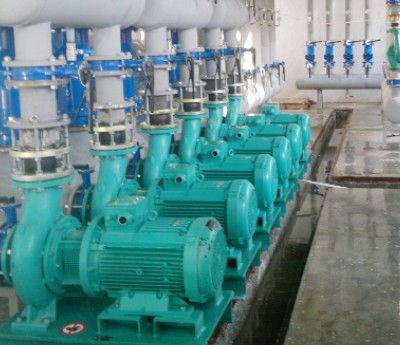
    Pumps, mixers, and agitators in water and wastewater treatment facilities must operate continuously. The constant use and long service life of these machines place significant stress on all components. Chesterton mechanical seals have demonstrated their ability to lower maintenance costs and increase equipment uptime. Split mechanical seals, in particular, are designed to extend the life of worn equipment by upgrading from gland packing

    Key Benefits of Chesterton Mechanical Seals

    • 1. Enhanced Safety and Reduced Maintenance Costs: The Chesterton 442C split seal can be installed without disassembling large equipment, significantly reducing maintenance costs and enhancing safety. This innovation allows for quick and efficient seal installation, minimizing downtime and labor expenses.
    • 2. Active Throat Bushing Technology for Water savings: Active throat bushing technology removes particles from the pump’s stuffing box, protecting mechanical seals and extending their life. The combination of a single SpiralTrac® and the Chesterton 442C split seal can significantly reduce, or in some applications, eliminate the need for flush water, further lowering operating costs.
    • 3. Improved Efficiency reduces overall cost: High-quality sealing technologies are crucial for the efficiency of wastewater systems. The Chesterton 442C split mechanical seal enables seal installation without pump disassembly, saving valuable labor hours and minimizing downtime.

    Split Seal Technology from Chesterton

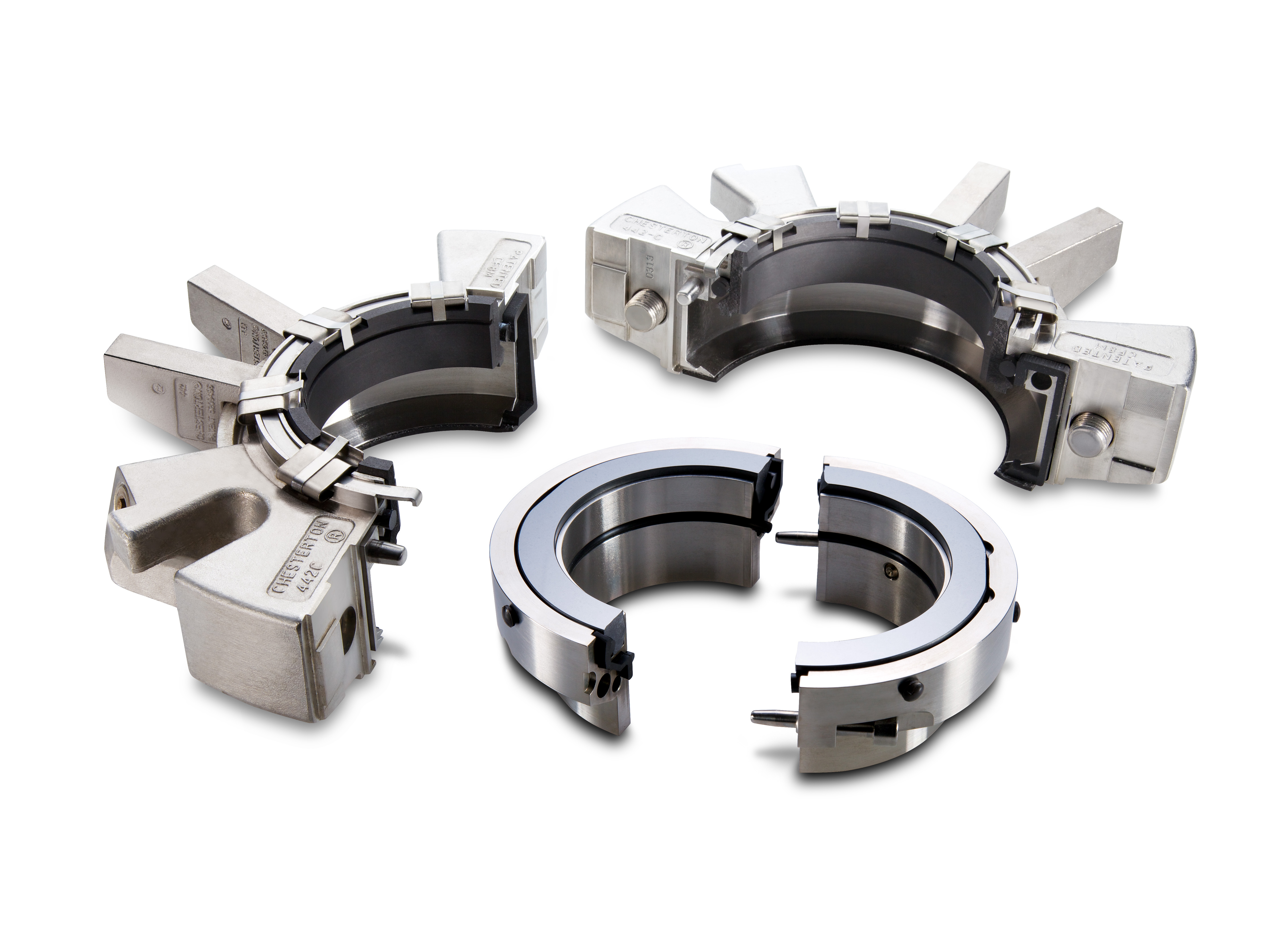
    442 Split Seal from Chesterton, high-performance mechanical seal

    Split seals, as the name suggests, use split components that are mounted on the shaft. The Chesterton 442C Cartridge Split Seal offers superior sealing performance with easy and safe installation. This patented technology ensures reliable operation and long-term leakage protection for various rotating equipment, even under pressure-vacuum cycling and high-temperature conditions:

    Lubricating the seal faces with clean fluids is essential for the longevity of mechanical seals. Traditionally, pump operators have used clean flush water to achieve this, which incurs significant water consumption and costs. Our advanced split seals, combined with SpiralTrac® technology, substantially reduce or eliminate the need for clean flush water, increasing the reliability of the sealing system and cutting operating expenses.

    SpiralTrac Technology, environmental controller, available from A.W. Chesterton

    For more information about our mechanical seals, visit our “Reliability Matters” blog, which covers essential topics such as the “5-key Features for good Mechanical seal Design


    Here you can gain an insight into our decades of experience in the water and wastewater sector:

    Case Study #1: Wastewater Plant Dramatically Reduces Seal Installation Time with Split Seals

    Case Study #2: Reduce Flush Water Usage by 90% with Chesterton Split Seal 442

    Case Study #3: Split Seals Deliver Reliable Wastewater Pump Sealing for Three Years Running

    Case Study #4: Sealing Large Influent Pumps – Split Seals Increased MTBF to 9+ Years

    Case Study #5: Chesterton 442C Cartridge Split Seals Switch Results in Easy Installations


    Conclusion:

    The water and wastewater industry faces numerous challenges, from ensuring safety and managing aging infrastructure to reducing energy consumption and maintenance costs. Advanced mechanical sealing solutions, particularly split seals, offer a practical and effective way to address these challenges. As the industry continues to evolve, the adoption of such innovative technologies will be crucial in achieving sustainable and reliable water and wastewater management.

     Do you have any questions about our Mechanical Seal Technology? Our Expert Desk is here to help. We are happy to assist you!

    You can also make a preliminary selection using our product selector. Our product consultants will gladly assist you in selecting the ideal product for your application.

    *SpiralTrac® is a trademark of EnviroSeal Engineering Products Ltd.

  • The Chesterton Connect IIoT Solution Significantly Increases the Reliability of Pumps and Rotating Equipment

    The Chesterton Connect IIoT Solution Significantly Increases the Reliability of Pumps and Rotating Equipment

    Whether drinking water, raw water, process water or wastewater – municipal and industrial applications involve the transport, distribution and treatment of water. Various types of pumps are used for pumping and transferring water and sewage sludge. The aim of all plant operators is to ensure that the pumps and rotating machinery function smoothly and reliably in order to keep the operating costs of the plant as low as possible. After all, every pump failure costs money and disrupts operations.

    In addition to high-quality seals and lubricants for technical equipment in water and wastewater plants, Chesterton offers a pump specific IIoT-based monitoring solution designed to maximize the uptime and reliability of rotating machinery.

    Chesterton ConnectTM System monitors and records the performance attributes of your pumps

    The Chesterton Connect System provides reliable monitoring of mechanical seals and rotating equipment such as pumps, motors and gearboxes. As most pump installations issues are caused by process problems, the Chesterton Connect System was designed to monitor both the process as well as the equipment, maximizing the ability to predict problems before they happen.  The following parameters can be monitored and compared around the clock in near real time:

    • Process temperature
    • Process pressure
    • 3-Axis vibration (Acceleration and Velocity RMS)
    • Surface temperature

    All sensing metrics listed above are ergonomically packaged into a single sensor, which can be viewed from your mobile device using the Chesterton Connect iOS or android app. Using thresholds, you can quickly recognize if there are any anomalies that could lead to downtime or malfunctions. This can streamline maintenance planning, optimizing the operational efficiency of the device and therefore increase the productivity of pumps.

    Retrieve and compare machine performance via remote monitoring

    If several pumps or rotating machines need to be monitored, the Chesterton Connect gateway and cloud is the solution. Chesterton Connect sensors are connected wirelessly via Bluetooth to the Chesterton Connect Gateway, which forwards the bundled data to the Chesterton Connect Cloud Wi-Fi monitoring platform in nearly real time. Here you can call up the data and reports conveniently on your desktop or mobile device – wherever you are in the world.

    You can receive notifications, alerts and automated reports by email via an optional cloud signup process. The Chesterton Connect System facilitates proactive maintenance planning and helps you to minimize downtime and extend the service life of your devices.

    Valuable experience in the wastewater sector – Chesterton ConnectTM System enables immense cost savings

    Typical applications for the Chesterton Connect System are split case pumps, submersible pumps, slurry pumps and centrifugal pumps.

    Pump failure due to clogging are very common in the wastewater sector, resulting in high maintenance costs and long downtimes. Non-dissolving materials in wastewater, such as wet wipes, cause blockages and contamination in pipes and pumps. These blockages lead to cavitation and consequently to excessive vibrations, which can cause serious damage to the pump.

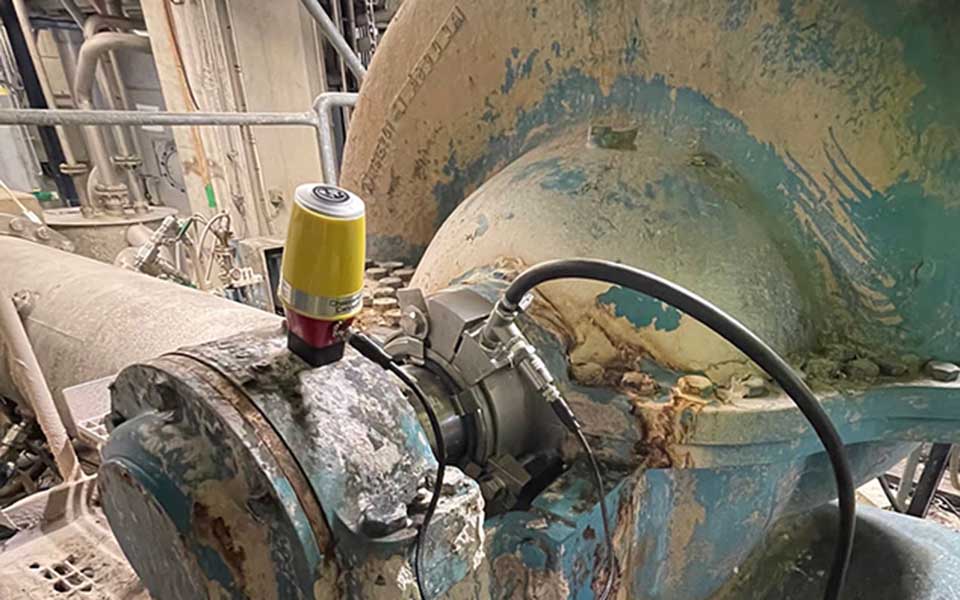
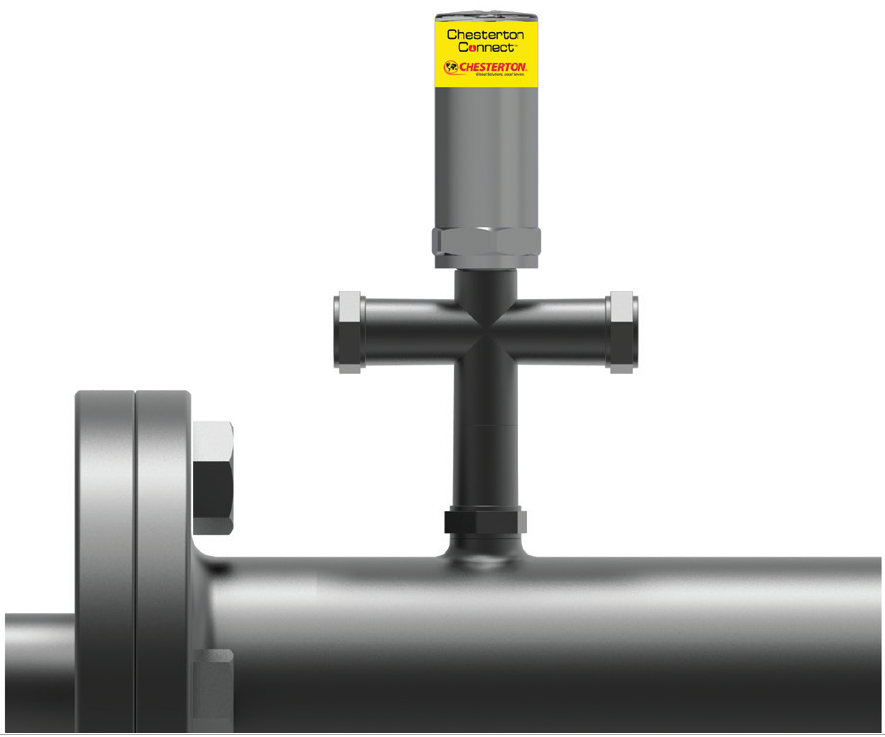
    The Chesterton Connect Sensor can be placed directly on the discharge pipework of the pump and alerts the system personnel to increasing vibrations caused by blockages in the pump intake. In this way, the maintenance team can remove the contamination before it causes damage to the pump and its failure.  The Chesterton Connect sensor can also be place directly into the stuffing box, now in addition to vibration information, you can get the critical process information.

    Here you can gain an insight in these experiences: Wastewater Challenges: The Flushable Wipes Issue


    See more reports on successful projects here:

    Chesterton ConnectTM Sensor Detects Vacuum Malfunctions in Centrifugal Pump

    New Pump Problem Solved with Chesterton ConnectTM System

    Chesterton ConnectTM System Detects Faulty Valve


    Conclusion

    The Chesterton ConnectTM System offers water and wastewater plant operators real added value by helping them to increase the reliability of their plants, reduce operating costs and minimize the downtime of mechanical equipment.

    After all, this is what matters if you want to work efficiently in the future. Chesterton is a significant enhancement to plant equipment with advanced IIoT technology.

    You can also make a preliminary selection using our product selector. Our product consultants will gladly assist you in selecting the ideal product for your application.

  • Boosting Pump Performance and Increasing Pump Availability Using Chesterton® DualPac® 2212 Packing

    Boosting Pump Performance and Increasing Pump Availability Using Chesterton® DualPac® 2212 Packing

    There are numerous pumps in waterworks or sewage treatment plants in all industrial sectors. Pumps are involved wherever drinking water, process water and wastewater need to be moved; many of these pumps run continuously. No municipal or industrial water treatment plant can afford frequent, time-consuming pump shut-downs.

    Chesterton offers packing solutions for rotating equipment in a wide range of industries. However, in this article we would like to highlight the performance of our DualPac® 2212 pump packing. When used in combination with a SpiralTracTM Packing Device, these two products assist plants with reducing maintenance costs.

    Patented braiding technology of high-performance fibers – Chesterton DualPac 2212 Packing

    Conventional pump packing requires regular gland adjustment to control leakage.

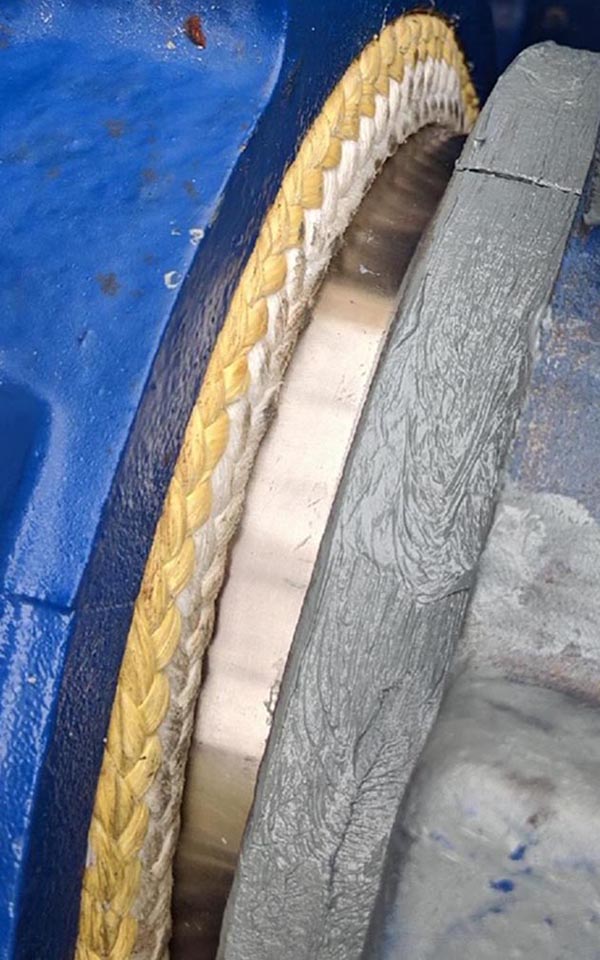
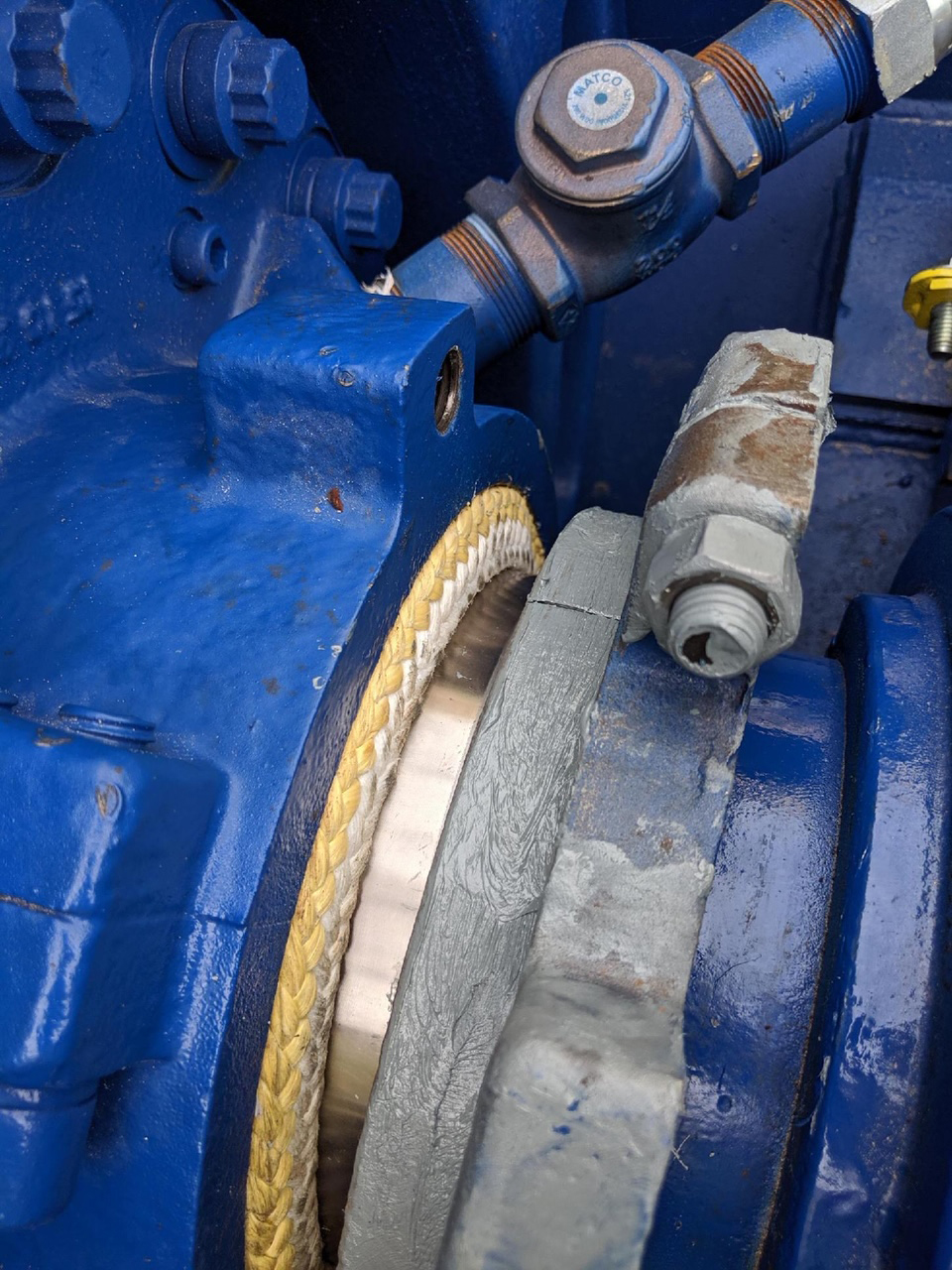
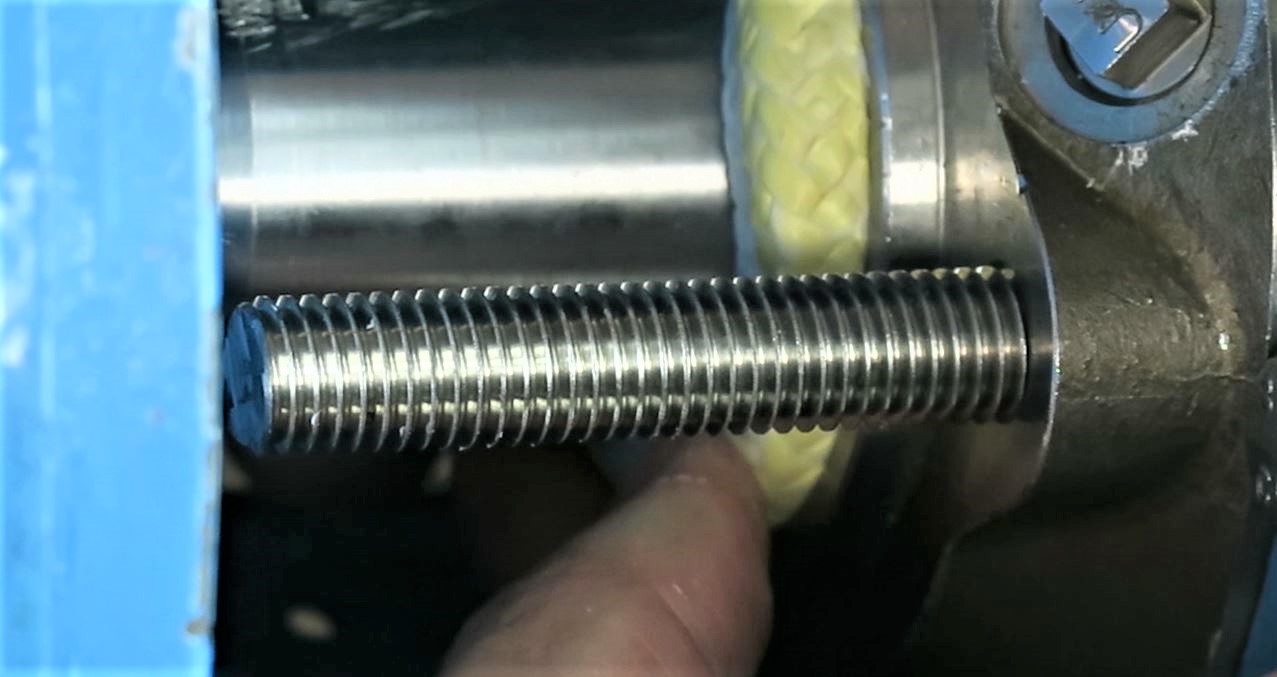
    Chesterton 2212 DualPac Packing installed in Pump

    Using a patented braiding method, Chesterton combines resilient and wear-resistant para-aramid fibers and temperature-resistant meta-aramid fibers to create a unique braided packing material. The fibers are braided separately on each side of the packing so that the properties of these high-performance fibers are used individually for the shaft side and the stuffing box side. The orientation of this 2-color packing in the stuffing box can be varied according to requirements. For example, heat-resistant fibers with a low coefficient of friction are used on the shaft side. The high-strength, elastic fibers act on the outside and seal reliably even with changing gland pressure. The packing remains properly compressed against the shaft, helping to minimize gland adjustments, reduce leakage, and mitigate shaft scoring.

    Chesterton DualPac 2212 packing offers these performance functions:

    • Heat-resistant fibers help to minimize gland adjustments and prevent over-tightening
    • Higher stuffing box pressure capabilities
    • Superior sealing performance and extrusion resistance in one packing
    • Lower leak rates than conventional packings
    • User-friendly: easy to cut, install and maintain

    The results of these product features are fewer gland adjustments and reduced maintenance costs.

    SpiralTracTM Packing Device removes solid particles in the stuffing box

    We complement the performance of DualPac 2212 packing with SpiralTracTM technology to remove solids from the sealing environment helping to prevent shaft sleeve wear. With the use of a flow controller, the amount of flush water required can be reduced by 60% or more.

    Many pumped media contain solid particles. Examples are slurries, wastewater, river water, etc. The problem with solids is that they cause excessive shaft sleeve wear. The solids typically embed themselves in the rotating shaft sleeve and compression packing interface as they migrate through the stuffing box. This decreased the Mean Time Between Failure (MBTF) and increases maintenance costs.

    The SpiralTracTM device is very effective for minimizing the impact of solid particulates in the stuffing box. Utilizing a spiral-shaped groove design, the SpiralTracTM device applies a centrifugal force to the pump medium entering the stuffing box in combination with the clean water flush. The centrifugal force imparted on the pump medium and incoming flush serves to effectively remove the solid particles found in the pump medium by directing them to an exit groove.

    Conclusion

    The combination of DualPac 2212 packing and the SpiralTracTM device, also known as Chesterton® “SuperSets,” is an effective solution to significantly increase the packing service life and reduce pump maintenance costs.

    Do you have specific questions about DualPac 2212 packing and SpiralTracTM devices?

    We will gladly help you with any questions regarding these products, or other Chesterton products. Please ask our Expert Desk for further information.

    You can also make a preliminary selection using our product selector. Our product consultants will gladly assist you in selecting the ideal product for your application.

    *SpiralTracTM is a trademark of EnviroSeal Engineering Products Ltd.

  • The Important Contribution of Lubricants in the Water and Wastewater Industry

    The Important Contribution of Lubricants in the Water and Wastewater Industry

    In the world of the water and wastewater industry, lubricants are a critical and essential component for the smooth operation of mechanical equipment. These often overlooked oils and greases play a crucial role in the reliability and efficiency of mechanical components in water and wastewater treatment plants. It is important to recognize that not all lubricants are the same and that significant benefits can be achieved using modern high-performance lubricants.

    But what exactly are the benefits of these high performance lubricants?

    • Reducing friction and wear
      In an environment where equipment operates continuously and are often exposed to extreme conditions, minimizing friction and associated wear is critical to equipment longevity. Lubricity and extreme pressure additives help the lubricant reduce friction and prevent wear between the moving parts. High performance lubrication effectively protects moving parts of bearings, chains, valves, motors, gearboxes, etc. which in turn extends equipment life and reduces the need for costly repairs.
    • Improving efficiency
      Efficiency is a key word in any industry, and water and wastewater treatment is no different. High performance modern lubricants with low coefficient of friction help bearings and conveyor chains work more efficiently as less energy is required for operation. This leads to direct cost savings through lower energy costs, while also helping to make plants more environmentally friendly by reducing energy consumption. Remember lowering friction also means reduced wear on the equipment.
    • Prevention of breakdowns and malfunctions
       High performance modern lubricants increase equipment lifetime reducing breakdown and downtime. This increases the operational reliability of the plant and the spend on unplanned maintenance and replacement parts. This is crucial, as breakdowns not only lead to additional costs, but also affect the operation of the entire processing plant.
    • Protection against corrosion and contamination
      In water and wastewater plants equipment is often exposed to water, moisture, chemicals and the environment. These conditions provide a challenge for the lubricants and can result in equipment corrosion, seizure, increased maintenance and replacement parts. Water resistance and corrosion resistant lubrication technology is important to insure equipment reliability. This helps prevent corrosion and seizing of equipment such as threaded assemblies(nuts and bolts). High-quality lubricants reduce the penetration of dirt particles into the mechanics and offer reliable water resistance and corrosion protection.

    Advanced lubricant technology from Chesterton: We offer targeted solutions for efficient cost reduction and performance optimization

    Chesterton carries an extensive range of industrial lubricants, cleaners, corrosion protection and specialized maintenance products that keep vital machinery running smoothly and efficiently.
    Our goal is to use the latest raw material technology with the ultimate goal of reducing our customers’ costs.
    By using modern raw materials, we manufacture industrial lubricants with excellent protective properties against corrosion, high and low temperatures, high-pressure loads, heavy abrasive wear and water washout.

    Benefits our customers have seen in their plants include:

    • Extending equipment service life
    • Reduction of premature failure
    • Improving the reliability of the systems
    • Optimizing the performance of the equipment
    • Cost reduction
    • Increased productivity
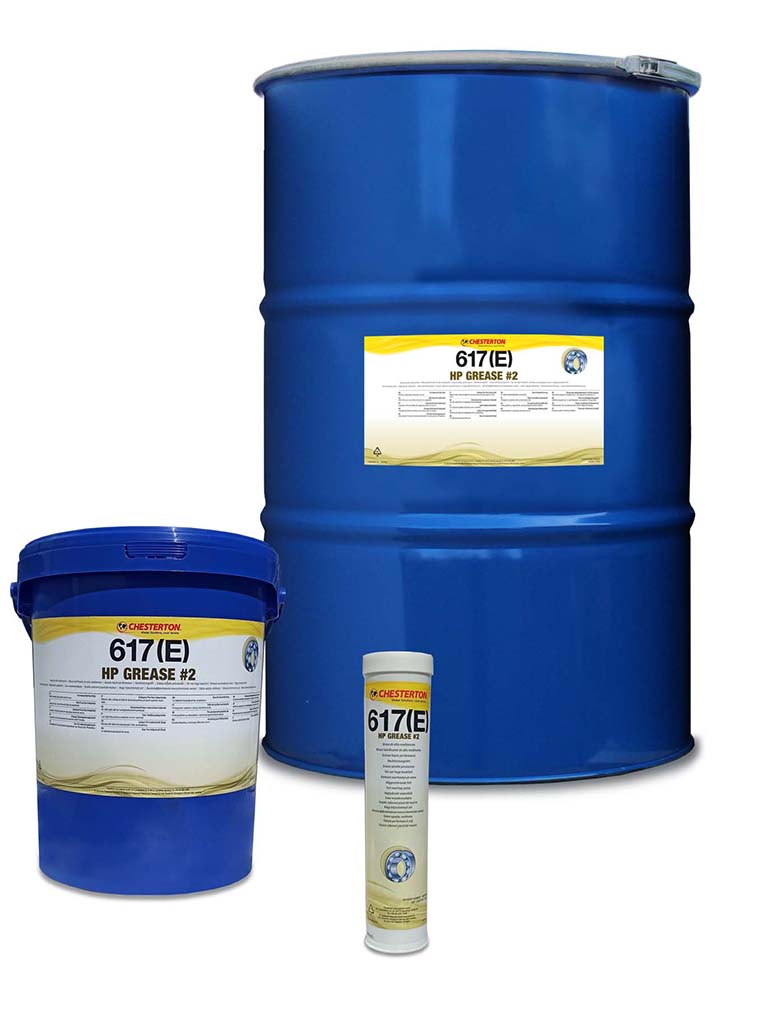
    Chesterton corrosion-inhibiting grease 617(E) HP Grease #2

    Whether its bearings, motors, agitators, gears, chains, mechanical assemblies – with our advanced modern lubricants and specialty chemical products you can increase the efficiency and lifetime of your equipment and reduce your maintenance and operating costs.

    617(E) - Chesterton's high-performance, corrosion-inhibiting grease

    For example, our high-performance, corrosion-inhibiting grease 617(E) HP Grease #2 is the ideal choice for demanding operating conditions. It maintains performance even at extreme pressures and very high or cold operating temperatures. Applications in water-rich environments are no problem, as this high-performance grease has excellent resistance to water washout.

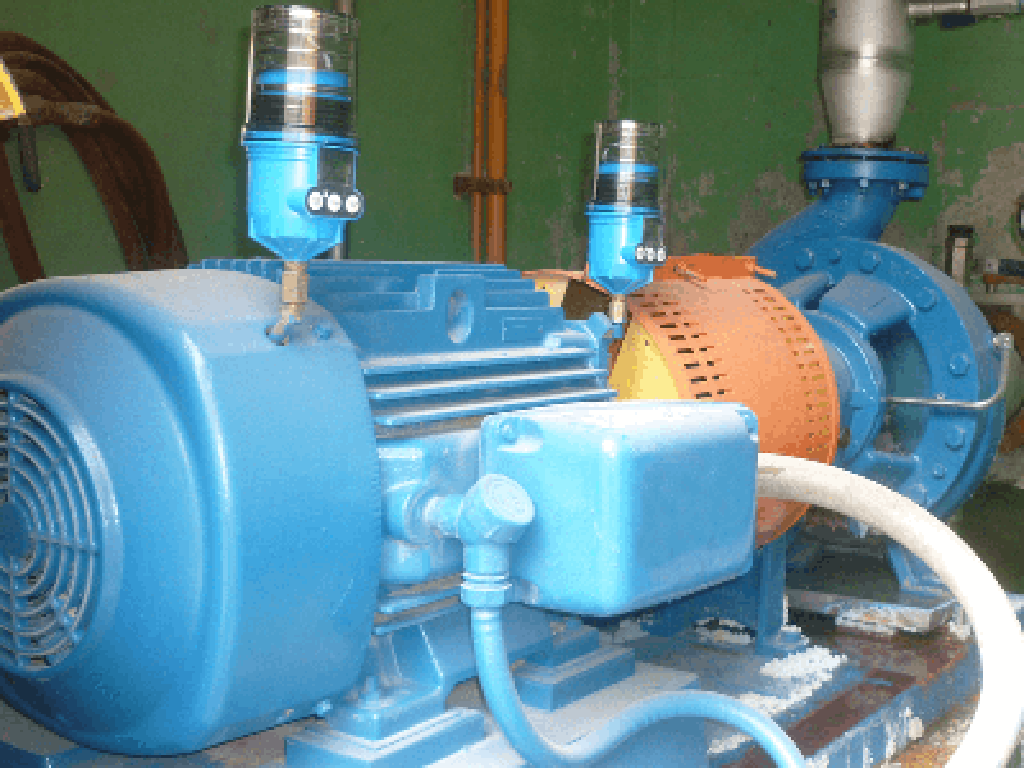
    Continuous lubrication with Chesterton LubriCup

    The lubricators from Chesterton enable constant lubrication of bearings and chains. Filled with the appropriate Chesterton high-performance grease or oil, the various LubriCup systems provide a processor-controlled, precise delivery of lubricant to the point to be lubricated.

    Maintenance work is significantly reduced thanks to automatic lubrication. For areas that are difficult to access, the use of Chesterton LubriCup also means an increase in work safety, as the lubrication points can be safely accessed using a lubrication line.

    Chesterton Lubricups

    However, the most important aspect of using our LubriCups is that there is no risk of over- or under-lubrication. Under lubrication can mean the equipment runs dry reducing the lifetime. Over lubrication can result in excessive consumption of lubricants, making it uneconomical and causing lubricant dripping or leakage. These are scenarios that you can effectively avoid with our lubricant dispensers.


    Chesterton supports you with an experienced team of competent technicians to find the optimum lubricant solution for your specific requirements.

    If you have any questions about lubrication, please contact us via our Ask an Expert platform.
    We will gladly assist you with your operating challenges.

    You can also make a preliminary selection using our product selector. Our product consultants will gladly assist you in selecting the ideal product for your application.

  • Chesterton Coatings: Efficiency and Asset Protection in Wastewater Treatment Plants

    Chesterton Coatings: Efficiency and Asset Protection in Wastewater Treatment Plants

    Concrete structures and steel structures in sewage treatment plants are constantly exposed to demanding environments. The process causes major damage to metal and concrete substrates. Plant owners who want to work efficiently need protective coatings and corrosion protection that are adapted to their requirements.

    Equipment used in treatment plants such as tanks, pipes, pumps etc. are susceptible to various corrosion mechanisms due to the corrosive environment in which they are located. To achieve optimum long-term protection for water and wastewater treatment plants, the environmental conditions and the specific operating requirements need to be understood. It is important to understand what exactly leads to equipment failures and how these failures can be prevented. This way suitable long term protection systems may be selected for all areas of the plant.

    What specific requirements exist in wastewater systems regarding corrosion protection?

    Suitable surface protection coatings can significantly extend the service life of components in wastewater systems. However, as the components and materials in such systems are exposed to enormous environmental stresses, selecting a suitable coating for each part of the system can be a challenge.

    Common problems for metal and concrete surfaces in wastewater infrastructure include:

    • Abrasion and erosion caused by coarse particles contained in the flowing wastewater and sludge treatment
    • Chemical pollution due to the highly aggressive nature of the wastewater and enriched chemicals for disinfection and pH adjustment
    • Concrete corrosion and severe attack on metal components due to biogenic corrosion (especially in covered wastewater systems)
    • Pollution risk and environmental hazard due to leaks, cracks, and joint failure
    • Mechanical abrasion due to the weight and movement of equipment

    Time for effective refurbishment of concrete tanks and metal structures

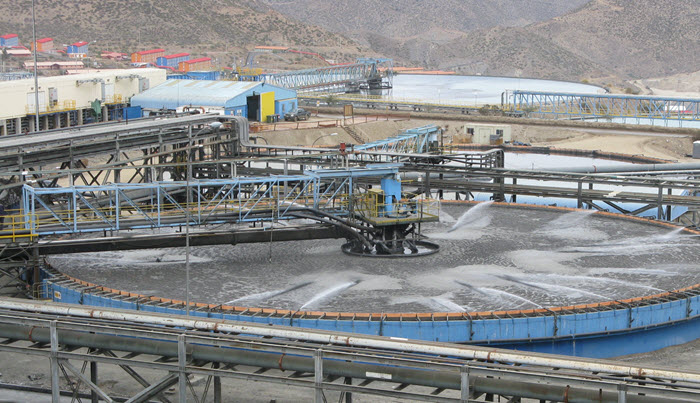
    After a few years of operation, concrete structures in wastewater systems show severe damage due to chemical attack and the flow of wastewater. The polluted atmosphere, weather, temperature fluctuations and sunlight are further factors – spalling, cracking, and corrosion occur in the concrete. The steel reinforcements become exposed and corrode causing concrete damage. In addition, clarifier basin rims must withstand high mechanical loads due to movement and the weight of the travelling rake arm.

    Pumps, screws, agitators, lubrication and grease traps, screens and pipelines suffer erosion and corrosion damage after a brief period of operation if they are not adequately protected. Efficient operability is called into question, and, in the worst case, failures occur that disrupt the entire treatment process. Regular maintenance and refurbishment with suitable coatings is essential for the efficiency of these devices.

    Chesterton delivers durable High-Performance Coatings

    The ceramic and mineral-reinforced, wear-resistant epoxy coatings from Chesterton offer high chemical stability, abrasion, and corrosion/erosion resistance. They are therefore ideally suited for applications in water and wastewater systems.

    The portfolio of protective coatings provides different solutions depending on the application needs. For all requirements, Chesterton offers effective corrosion protection systems that enable a significant extension of plant and equipment service life and thus increase wastewater treatment plants’ efficiency.

    Our High-End Coatings offer:

    • High resistance to abrasion, aggressive chemicals, and acids – due to the presence of ceramic and special particles in a high-quality polymer matrix
    • Due to high adhesion to the substrate under-film corrosion and coating delamination are prevented
    • High edge protection – more than 70% layer thickness retention on sharp edges
    • Exceptionally low permeability due to solvent free formulations
    • Smooth, low-friction surface – enables higher flow rates, increased efficiency, good release of solids and easy cleaning
    • Application by trowel, roller, brush, or airless spraying, depending on the product
    • Single layer application with fast curing times – ensures fast return to service

    Let our corrosion protection experts advise you. Together we will find the best coating solution for your plants applications.

    Rely on our experience in the wastewater sector

    Improving the efficiency and reliability of treatment plants with our products is part of our daily life. For many years, we have helped industrial and municipal plant operators worldwide to achieve operating efficiency and long-term asset/equipment protection.

    See our topic in the Chesterton „Reliability Matters“ blog: How to gain pump efficiency with restoration and protective coatings


    Here you can gain a brief insight into our many years of experience in the wastewater sector:

    Case Study #1 – Aeration Tanks Restored and Protected by ARC CS2(E)

    Aeration tanks at a wastewater plant built in the 1970s treating waste from a major food manufacturer needed renovation and protection.

     The project saved the customer 200,000 Euro versus new construction costs.


    Case Study #2 – New Clarifier Lining Holds Up for 11+ Years

    This case study describes the successful restoration of a clarifier with ARC S1HB – free of flaws or failures after 11+ years in operation.


    Case Study #3 – Refurbishment of a Buffer Tank with Ceramic Polymer Concrete Coatings

    A German sewage treatment plant owns a huge equalization tank with a length of 70 m. Due to extreme concrete damages the basin was refurbished extensively.


    Conclusion

    With its ARC and Ceramic Polymer coating lines, Chesterton offers high-quality industrial coating solutions for the demanding water and wastewater sector. We will gladly assist you with our experience and expertise to find an ideal coating protection solution for your requirements.

    You can achieve the following results with our high-performance coatings:

    Extended equipment life
    Protection against corrosion, erosion, wear, and chemical attack significantly extends the service life of wastewater systems.

    Reduced maintenance costs
    Less corrosion damage and less wear means fewer repairs and equipment replacement.

    Improved operational reliability
    Protection against breakdowns and malfunctions due to damage increases the productivity of the system.

    We will gladly help you with any questions regarding corrosion and erosion protection. Please ask our Expert Desk for further information.

    You can also make a preliminary selection using our product selector. Our product consultants will gladly assist you in selecting the ideal product for your application.

  • Sealing Solutions for Hydropower Equipment – ​​​​Boost Turbine Dependability and Reduce Downstream Pollution

    Sealing Solutions for Hydropower Equipment – ​​​​Boost Turbine Dependability and Reduce Downstream Pollution

    For many years, Chesterton has offered hydropower facilities cost-effective hydraulic and pneumatic sealing solutions that ensure leak-free sealing and increased turbine efficiency. Worldwide, OEMs, operators, and refurbishment businesses rely on our incredibly dependable and high-quality products.

    In your cylinders, using a combination of high-performance seals and Chesterton-exclusive materials can significantly reduce total equipment costs, increase mean time between repairs (MTBR), and enhance operating performance. Our flexible manufacturing capabilities allow us to produce almost any design, any material, and any size seal with quick lead times for both molded and machined products.

    Chesterton delivers various sealing solutions for cylinders, turbines, and valves in this industry,​including:

    • Kaplan Blade Runners
    • Wicket Gate Cylinders
    • Servo Cylinders
    • Blade Pitch Cylinders
    • Brake and Jack Cylinders
    • Butterfly, Spherical, and Ball Valves

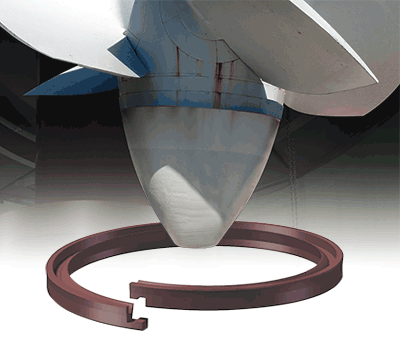
    Kaplan Turbine – Most common Type of Turbine in Hydropower

    The Kaplan turbine is an overpressure turbine. The guide vanes installed in front of the impeller create a swirl in the water. As the water flows through the water turbine, the force of the water acts on the guide vanes. This causes the impeller to rotate.

    In addition to the guide vanes, the blades of the Kaplan turbine are also movable and adjustable. This allows the angle of attack to the water flow to be changed. The guide vanes direct the inflowing water so that it hits the blades of the impeller at an optimum angle. This makes it possible to react optimally to fluctuations in the water supply and achieve a high level of efficiency even with a low water volume. Kaplan turbines are ideally suited for use with low heads and large fluctuating flow rates. The Kaplan turbine is therefore predestined for large, run-of-river power plants with low to medium heights of up to 80m.

    The Kaplan turbine has around 4 to 8 adjustable runner blades. The adjustability of the blades means that efficiency losses outside of nominal load operation can be kept to a minimum. At 30 percent to 100 percent of the nominal volume flow, the efficiency is around 85 to 95 percent. Therefore, it is no wonder that the Kaplan turbine – named after its inventor Victor Kaplan – has been shaping energy generation from hydropower for more than 100 years.

    Sealing Challenges

    There are many sealing challenges to overcome that are directly or indirectly associated with the equipment used to generate hydropower. Applying advanced sealing materials and designs can help address some of these challenges by:

    • Improving mean time between repairs
    • Simplifying installation
    • Reducing maintenance costs
    • Minimizing downtime
    • Positively impacting the environment

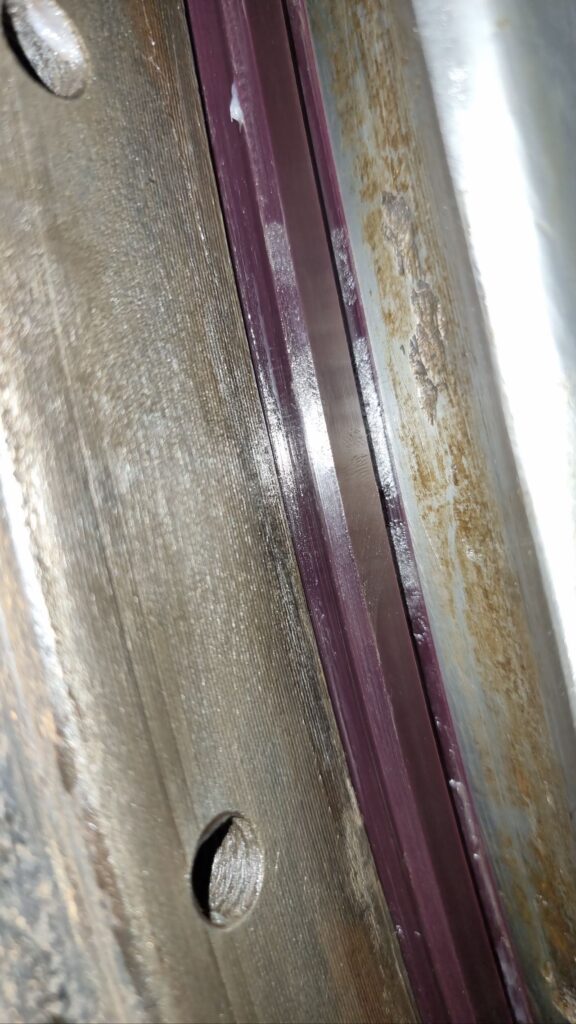
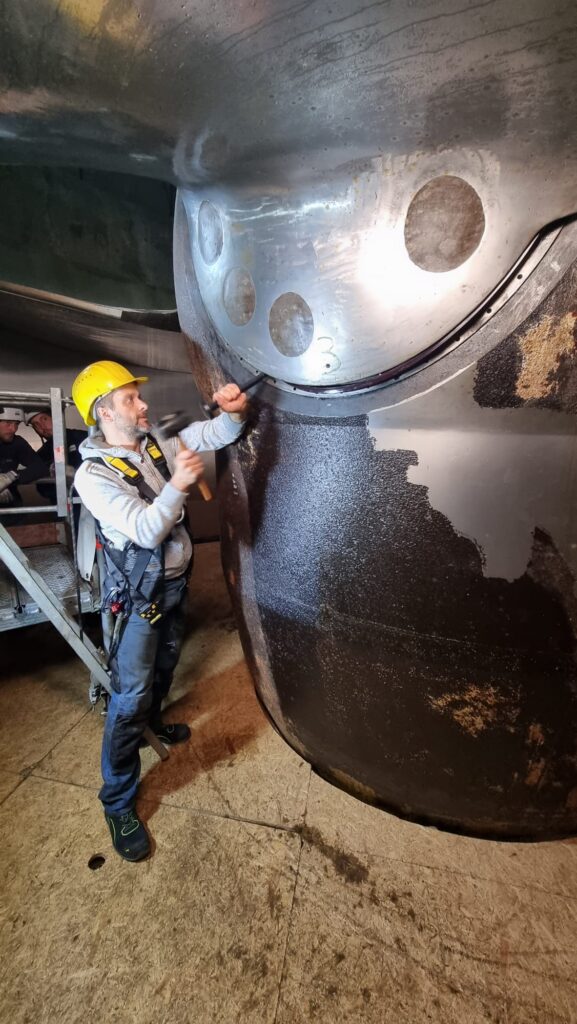
    Particularly with Kaplan turbines, runner blade trunnion seals are essential for preserving dependability, effectiveness, and shielding the surrounding area from oil seepage. More than 60% of Kaplan turbine leaks are caused by ineffective or failing blade trunnion seals, according to a survey done among owners of Kaplan turbines.

    Common Blade Runner Trunnion Sealing Issues

    There are several blade trunnion sealing challenges that need to be considered to establish optimal sealing reliability. They include:

    • Failure to keep water/contaminants out of the hub: Poor seal fit or poor seal design and seal material are most often the culprits, along with the impact of factors below.
    • Failure to keep oil in the hub: Also due to poor seal fit or poor design and seal material
    • Not accounting for blade droop: Due to manufacturing tolerances and running clearances of machined components, there is a certain (natural) droop of the turbine blades.

    A common bearing/bushing material for blade trunnion is cast bronze, which has a relatively low stiffness. This can lead to deformation of the bearing under high load, caused by the weight of the blade and by reaction force created on the blade during operation. Such bearing deformation will increase the blade droop value.

    The wearout of blade trunnion bearings is the third factor that can affect the blade droop value. When the blade oscillates, boundary friction arises if a stable oil-film between the trunnion and the bearings ring is not maintained. This, combined with a high radial load, might result in excessive wear of the trunnion/bearing assembly.

    Blade droop challenges the trunnion seals, changing the original cross-section for which the seals were designed. This must be compensated by the sealing devices as well. Blade droop can have a serious impact on performance, positive sealing, and seal life expectancy.

    Such geometrical changes can lead to:

    • Radial overload of the seals (in the direction where the seal cavity cross-section has been reduced)
    • Radial opening of the seals (in the direction where the seal cavity cross-section has been increased)
    • Excessive deformation and friction (wear out of sealing devices)

    How can you achieve optimal Runner Blade Trunnion Sealing?

    • Get exact turbine/blade measurements
      One of the most basic, but often overlooked aspects of selecting runner blade trunnion seals for Kaplan turbines is accounting for the wide variation in turbines and blades when determining the seal size needed. There are no technical specifications or internal standards for designing runner blade seal stuffing boxes. For this reason, and because as equipment dimensions change from the original specification after years of use, make sure you obtain actual equipment dimensions both by turbine and by blades.
    • Check the seal cavity cross section values around the blade trunnion
      It is important to understand that blade droop plays a factor in these measurements. The typical number of Kaplan runner is 4-8 blades. The natural wear of bearings and consequential blade droop values can vary blade by blade even with the same turbine. The seals should be designed and manufactured individually.
    • Check and resolve equipment conditions
      Surface conditions and the roughness of dynamic and static counter surfaces have to be considered. These uneven and abrasive surfaces can have an enormous impact on seal device performance and service life.
    • Consider operation/environmental conditions
      Fluctuation of turbine pressure – water head levels drop and rise, and can periodically change the pressure load on sealing devices. This can have an adverse impact on seal performance and reliability.
      Vibration and cavitation – a certain level of vibration and cavitation is standard to the operation of Kaplan turbines, this has a major impact on turbine components, including runner blade trunnion seals. Flexible seal design and elastic seal material can respond to such impact and withstand for a longer time.
      Low water heard schemes – Low water head can represent a high risk of abrasive environment caused by water contaminants, sediment, and mud. Using a seal with an abrasion-resistant thermoset polymer material can offset these abrasive effects.
    • Select the best runner blade trunnion seal
      Advanced hydraulic sealing technology can significantly improve meantime between failures, and reduce meantime to repair. The optimum seal also helps to reduce operational and maintenance costs, lower the risk of unplanned downtime, and lessen downstream pollution.

    Chesterton delivers the Ultimate Solution
    Chesterton Kaplan Turbine Runner Blade Trunnion Split Seal

    High-Performance Split Lip Seal for Heavy Duty Rotary and Oscillating Applications

    Specifically for Kaplan Turbines, Chesterton invented innovative Kaplan Runner Blade Trunnion Split Seals – high-performance lip seals for heavy-duty, dynamic rotary and oscillating seals applications in the hydropower industry. These seals are specifically designed for the Kaplan (or “propeller Type” turbine runner blade trunnions.

    The Runner Blade Trunnion Seal is just one of the fully array of Kaplan Turbine product solutions available from Chesterton.

    • Faster Installation & Increased Reliability
      Because to its split design, the seal can be installed quickly and easily, reducing downtime. The removal of the blade is not required for installation and there is no need for complex welding, gluing, or post processing of the split joint. Furthermore, instead of requiring a complete stacked set, just two seals need to be installed back-to-back. This configuration also keeps the hydraulic media and lubricant in the turbine hub, and protects the hub against ingress of water, solid particles and sediments.
    • Maintains Load Pressure & Rotary Shaft Movement
      The positive, flared dynamic lip design of the Chesterton Kaplan Runner Blade Trunnion Seal prevents the split from being pulled apart by rotating motion and uses load pressure to join the cut ends. During blade positioning, Chesterton’s seal maintains load pressure and allows for rotary shaft movement with minimal frictional drag.
    • Compensates for Blade Droop
      A typical reliability issue with an older Kaplan Turbine is blade droop caused by worn trunnion bushings. The Chesterton trunnion seal design compensates by providing reliable sealing despite any droop.
    • Durable Seal Material Offers Longer Life in Hydropower Environment
      This seal is comprised of Chesterton’s AWC800 high-performance thermoset polymer material, which has a proven record of withstanding harsh operating conditions and provides exceptional abrasion resistance and durability. To reduce frictional drag, the polymer contains a built-in molybdenum disulfide lubricant. Because of its superior memory, the seal can automatically adjust and correct for radial cross-sectional differences caused by blade droop.

    Conclusion

    The Chesterton’s 22KN5 Double Acting Kaplan Runner Blade Seals in Split Interlock configuration are considered as the most user friendly and ease installation sealing solution by worldwide end users comparing to other seals as traditional rubber seals or hot welded modern polyurethanes. Optimized, smart and precise design of the 22KN5 seals combined with high performance thermoset polymer material technology provides sealing, which does not need any glue bonding, welding or vulcanization process on site, making installation simple, fast and secure.

    Do you have questions about our specific Kaplan turbine solution?  

    You can find more interesting details and information in our White Paper.


    Please get more information about the mining applications of our sealing technology:

    In our blog, we provide information on sealing Kaplan turbines and troubleshooting leaks

    If you would like assistance selecting the best hydraulic seal solutions for your specific cylinder application, feel free to contact our Ask the Expert desk.

    You can also make a preliminary selection using our product selector. Our product consultants will gladly assist you in selecting the ideal product for your application.

  • Increased Performance and Reliability in Hydropower Plants with Chesterton Mechanical Seals

    Increased Performance and Reliability in Hydropower Plants with Chesterton Mechanical Seals

    The hydropower industry faces the constant challenge of making its systems more efficient while maximizing the service life of components. In this quest for maximum performance and longevity, selecting the right sealing technology plays a crucial role. This article highlights the compelling benefits of Chesterton mechanical seals in hydropower plants and shows how this innovative technology can contribute to sustainable optimization.

    Mechanical seals are critical components in hydropower plants, responsible for sealing pumps and turbines. Chesterton mechanical seals are characterized by their advanced design and material composition. These seals are specifically designed to withstand the extreme conditions found in hydroelectric environments while providing a reliable seal.

    Many factors affect reliable turbine main shaft sealing. Shaft size, turbine speed, pressure, water sediment content, start-up conditions, cavitation vibration, and other factors will impact seal selection and the long-term success of the sealing device.

    Large Turbines create Large Sealing Problems

    One of the main challenges in hydropower plants is minimizing leakages in the turbines. Conventional main shaft turbine seals typically leak heavily and can cause considerable shaft damage. They also require clean, filtered water that is flushed within the seal to prevent solids from embedding between the sealing elements and the sleeve. The reliability and service life of your seal is directly dependent on the continuous operation of the filtration systems. They must be able to continuously supply filtered water to overcome seal leakage and pressure conditions.

    The use of filtered water is extremely expensive. The stations’ drainage systems can overflow, which requires constant monitoring. The filter systems require regular maintenance, all of which leads to immensely high costs. In addition, the constantly flowing water causes severe corrosion damage to the metal parts.

    Chesterton split seals are designed to seal leak-free. With our innovative technology and sealing materials, we can deliver superior sealing solutions that meet the dynamics of your operation and develop reliable, long-term solutions that significantly reduce filter water requirements.

    The Chesterton Solution for Reliable Sealing with Considerably Reduction of Flush Water

    One of the biggest issues in developing a reliable seal solution for water turbines is keeping sediment and sand out of the seal so the particles don’t clog or wear out the seal or equipment. Based on our many years of experience in the hydropower sector, we have found an effective solution to this problem.
    We combine our advanced split seals with SpiralTracTM technology to eliminate solids from the sealing environment and significantly reduce or eliminate the flush water requirements for turbine mainshaft seals. Controlling the adverse conditions under which the seal typically operates enhances the reliability of your sealing system and reduces operational costs.

    Chesterton’s innovative 442 split mechanical seals deliver a radically different level of sealing sophistication for hydropower plants around the globe. 

    A split seal has components split into two equal halves, which are secured as one unit on the seal shaft. The major advantage of the split seal design is that it allows you to install the seal with no dismantling of the pump (or equipment)—an enormous time-saver! Chesterton’s split seals offer virtually leak-free performance. This leads to improved safety and environmental compliance and nearly eliminates sleeve wear, and flush water usage, among many benefits.

    Adaptability to different operating conditions

    The versatility of Chesterton mechanical seals allows them to adapt to different operating conditions in hydropower plants. Whether the pressures are low or high, whether the plant is operated continuously or intermittently, these seals provide a reliable seal and thus contribute to the stability of the overall system.

    Contribution to sustainable energy production

    By reducing leakage, protecting against wear and adapting to different operating conditions, Chesterton mechanical seals make a significant contribution to sustainable energy production. The optimization of hydropower plants leads to increased efficiency and helps to minimize the environmental footprint of energy production.

    Conclusion

    The application of Chesterton mechanical seals in the hydropower industry is a pioneering step towards improving performance and reliability. The reduction of leakage, protection against wear and the adaptability of these seals make them a key component for the sustainable development of hydropower plants. At a time when the search for environmentally friendly and efficient energy sources is paramount, Chesterton mechanical seals are helping to cement hydropower as a viable solution for the future.


    On our Chesterton Blog “Reliability Matters”, you can find this interesting article about Turbine Shaft Sealing with our Split Seal Technology.

    You can also make a preliminary selection using our product selector. Our product consultants will gladly assist you in selecting the ideal product for your application.

  • Reducing maintenance on turbine shafts sealed with compression packing

    Reducing maintenance on turbine shafts sealed with compression packing

    Hydro turbine shafts are sealed using various sealing methods. One of the traditional methods of sealing turbine main shafts is compression packing. Compression packing has several advantages over alternative sealing methods:

    – Relatively simple technology
    – Non-catastrophic failure
    – Low initial cost

    Many hydro turbines in operation today are still sealed with compression packing, besides the other technologies that are available and used. Unfortunately, compression packing has some disadvantages as well:

    – Maintenance intensive – retightening and frequent replacement
    – Leakage – compression packings are generally not hermetically sealed and, on a rotating shaft, require some leakage for lubrication and cooling.

    Packings can be replaced by other methods, but this can be costly and sometimes technically infeasible. A.W. Chesterton Co. has developed technology to overcome the disadvantages of packing. This technology reduces maintenance, extends MTBR and reduces downtime and costs.

    1. Compression packing technology

    Let us take a look at the technology behind compression packing. Compression packings are braided from synthetic or natural fibres and they are filled with lubricants and blocking agents. These lubricants are usually mineral or synthetic oils or greases. PTFE suspension is also a commonly used lubricant. Lubricants have a dual function. They reduce friction between the shaft and packing, but also act as a blocking agents to prevent water from seeping through the packing braid structure. Packing rings are installed in a cylindrical shaped chamber called a stuffing box (figure 1).

    Figure 1: The working principle of compression packing

    Typically 4-6 rings of packing are installed in the stuffing box. The gland follower on this stuffing box is used to compress the packing rings. This follower creates an axial force on the packing rings which is converted into a radial force in the packing rings. This radial force is the force that creates the seal. Because lubricants slowly disappear from the packing (because they are squeezed out) and because the packing rings are subject to wear, the gland follower must be retightened from time to time. The frequency of this retightening requirement will vary depending on the application. It can vary from daily to monthly.  Therefore, compression packing is by nature a maintenance intensive sealing method. Eventually, the lubricant will be used up and the packing will be worn to the point where it needs to be replaced.

    If we plot this retightening process on a graph and look at the packing stress versus time, we get the following graph (figure 2).

    Figure 2: Maintenance cycle of a standard stuffing box

    This maintenance cycle illustrates a number of issues associated with the use of compression packing:

    1. At the points where packing stress is low, solids in the sealed liquid can penetrate between the packing and the rotating shaft, wearing both the shaft and the seal, therefore further reducing packing life and potentially causing equipment damage.
    2. Frequent adjustments make the use of compression packing labour intensive
    3. The sealing stress is high at the peak of the maintenance cycle. Maintenance personnel tend to over-tighten the packing in an attempt to extend the time between adjustments. Unfortunately, this has the opposite effect because the packing suffers of additional wear and more lubricant is squeezed out. Therefore this shortens the life of the packing even further.

    It would be more beneficial to maintain a constant moderate load on the packing. This would eliminate or reduce all of the above problems (figure 3).

    Figure 3: Ideal load management on compression packing

    2. Chesterton offers the optimum solution

    A.W. Chesterton Co. has developed a patented technology that eliminates the problems normally associated with compression packing. This technology is the Hydroshield™ system featuring Chesterton’s AMPS™ technology (Automated Mechanical Packing System).

    Hydroshield™ consists of pneumatic actuators located on the packing gland that maintain a constant force on the packing to keep the leakage level constant. As the packing loses lubricant and volume through wear, the system automatically adjusts. The system consists of several components:

    – The compression packing

    – The pneumatic actuators

    – The interconnecting pipework

    – A control unit

    Figure 4: Chesterton Hydroshield TM system

    The gas pressure is supplied by plant air or a gas cylinder. The control unit consists of at least a pressure regulator, but may optionally include a buffer tank to protect against loss of plant air pressure, and other auxiliary equipment to monitor and guard air pressure. The actuators are specifically designed to provide the force required to seal the packing in the specific stuffing box configuration. The pressure regulator is used to fine tune the pressure and keep the leak rate at an acceptable level. The air consumption of the system is very low. Typically 15 litres of air is used during the installation and initial adjustment of the packing and system. During normal operation the air consumption is close to zero. The gas pressure is only used to maintain a force on the packing.

    Figure 5: Pneumatic Diagram

    The system is constructed from 316SS with Viton O-rings and a polypropylene dust cap. Materials can be modified to suit application requirements.

    2.1 Technology comparison

    Alternative technologies can be used to seal turbine shafts effectively. Radial Segmented seals and Mechanical Seals are alternative technologies that are successfully applied. The table below shows a comparison between technologies.

    Hydroshield™Radial Segmented SealsMechanical Seals
    SizeNo limitUp to 2000mm (80”)Typically 760 mm (30”), Split seal up to 915 mm (36”)
    PriceMost economical (when upgrading from compression packing)ExpensiveMost expensive
    Pressure ratingUp to 35 bar (500 psig)Around 10 barUp to 7 bar
    AdaptabilityAdjusts to system pressure changesNoneNone
    Flush conditionNo special filtration system requiredSpecial water FiltrationMaximal particle size 30-50 micron
    Water usage0.02 L/Min Achievable20 – 90 l/minDependent on equipment
    Smart ControlRemote control and monitoring (Connect) add-ons availableNoneNone
    InstallationEasiest to installDifficultDifficult
    Table 1: Sealing Technology Comparison

    2.2 Sucessful Case history with Chesterton Hydroshield™

    An example of an application is the refurbishment of a 100 year old Dominion Engineering turbine in Canada. The turbine shaft was sealed with compression packing and it was not possible to upgrade the system to an alternative sealing method. Bryson Generating Station is a run-of-river facility located on the Ottawa River. The Bryson station is owned by Hydro-Québec. Commissioned in 1924, it has a capacity of 61 MW with 3 units.

    The major problem with the compression packing was that the area where the packing gland was located was subject to flooding and it was unsafe to retighten the packing gland while the turbine was in operation. The existing packing sealing system was weak and leaking heavily, causing unnecessary stoppages for maintenance. As a result, the turbine had to be stopped to retighten the packing. This resulted in costly shutdowns. The alternative was significant leakage over an extended period of time. The turbine shaft was 29″ (737mm) in diameter.

    A Hydroshield™ system was installed on the packing gland in combination with 5 rings of DualPac 2212 compression packing. Hydro-Quebec certifies that the system meets the technical requirements. The system has been in operation since the beginning of 2021 and the packing is replaced preventively during regular outages. The customer has also upgraded the 2 other turbines with the same system.

    Hydroshield TM Installation at Bryson Power Station

    3. Conclusion

    Compression packing is a sealing method that is still widely used in hydro turbine shaft applications. While compression packing has some advantages, it also has some disadvantages. The main one is that compression packing on rotating shafts is maintenance intensive. Chesterton has developed a system that eliminates maintenance to a great extent on packed glands and extends the life of the packing. The system reduces the operating cost of the turbine, increases reliability, and increases worker safety. The system has been successfully installed in several turbine applications around the world.

    Do you have a specific question? Please ask our Expert Desk.

    You can also make a preliminary selection using our product selector. Our product consultants will gladly assist you in selecting the ideal product for your application.


    The Author:

    Hans E. Dekker graduated as a Bachelor of Engineering at the Saxion Polytechnic in Enschede in the Netherlands. He is working in the sealing industry for over 25 years in various functions in Engineering and Marketing. He is the Product Line Manager in Europe, Middle East and Africa for Compression Packing and Gaskets for the A.W. Chesterton Company. Hans is an active member of the European Sealing Association.

  • Introducing: Chesterton’s Cutting-Edge Solutions for the Mining Industry!

    Nyngan Australia June 20th 2012 : Shallow depth of field image of a miner inspecting ore rocks on a conveyor in NSW Australia

    Increasing Efficiency for Mining Machinery is our Priority

    Mechanical stress, severe impacts, slurries, dust and dirt, corrosion, and lack of water can significantly reduce the reliability and uptime of mining equipment. Chesterton specialists help mining companies worldwide overcome these challenges with expertise and advanced solutions in sealing, lubrication and protective coatings

    Boost your Mining Operation with Chesterton’s Innovative Products

    Unlock the full potential of your mining operation with Chesterton’s high-quality range of products tailored specifically for the mining industry. We understand the unique challenges mining professionals face and have developed state-of-the-art solutions to maximize your productivity, efficiency and profitability.

    Find the error in your machinery with Chesterton Connect

    This advanced tool offers continuous, around-the-clock monitoring of your technical equipment, even in the most challenging operational environments. Identifying and notifying you about potential issues proactively prevents expensive downtime and damage, solidifying its role as an essential asset within your predictive maintenance arsenal.

    Find out more:

    Predictive Maintenance with Chesterton Connect 

    Sealing Solutions Engineered for Mining Excellence

    Prevent leakage, contamination, and costly downtime with Chesterton’s advanced sealing solutions. Our mechanical seals, packing and gaskets, hydraulic and pneumatic seals, and custom-engineered sealing solutions are designed to withstand the harshest mining environments, ensuring optimal performance and reliability.

    Find out more:

    Slurry Pump Maintenance

    Navigating Slurry Applications

    Hydraulic Sealing Solutions

    Optimize Performance with Superior Lubrication Solutions

    Achieve peak performance and reliability with our wide range of industrial lubricants and maintenance products. They reduce friction, minimize wear, and extend maintenance intervals for enhanced operational efficiency.

    Find out more:

    Lubrication Solutions for Electric motor bearings

    Enhance Equipment Durability with Protective Coatings

    Extend the lifespan of your mining equipment with Chesterton’s high-performance coatings. Our corrosion-resistant, abrasion-resistant, and erosion-resistant coatings provide incomparable protection and keep your machinery from wear caused by demanding mining operations.

    Find out more:

    Ceramic Reinforced Coating for Mining and Ore Processing

  • Streamlining Slurry Pump Maintenance with Innovative Sealing Solutions

    Streamlining Slurry Pump Maintenance with Innovative Sealing Solutions

    Slurry pumps are integral to many mining operations, but their maintenance, particularly the replacement of seals, can be challenging. The abrasive nature of slurries can wear down packing or clog mechanical seal components, reducing seal life to mere weeks or even days. With downtime proving costly, choosing an efficient and easily replaceable sealing solution is crucial.

    Expedite Seal Replacement with Best Practices

    In this article, we will discuss some best practices that can accelerate the process of replacing packing and seals in slurry pump applications.

    Packing: Overcoming the Challenges of Lantern Ring Replacement

    One of the most significant hurdles during packing replacement is removing the lantern ring and the bottom rings. Lantern rings can become off-axis, bind up in the stuffing box, or get clogged with particulates, making removal difficult and time-consuming.

    Why Leaving the Lantern Ring Unchanged Is Not Recommended

    Despite these challenges, it’s not advisable to leave the lantern ring in place while only replacing the rings above. Here’s why:

    Over time, the unreplaced bottom rings will wear, extrude, and consolidate, causing the lantern ring to move towards the bottom of the stuffing box and misalign with the lantern ring port.

    This alteration prevents flush from reaching the ID of the packing, allowing solids to penetrate under the packing and dramatically reducing its lifespan.

    A symptom of a misaligned lantern ring is heavy flush water leakage on the OD of the packing, indicating either misalignment or clogging due to intermittent or inadequate flush pressure, or dirty flush.

    Solution: Eliminate the Lantern Ring

    The solution to difficult lantern ring removal is straightforward—don’t use a lantern ring.

    Our tests have shown that the first three rings of packing do the majority of the sealing, and the bottom rings mostly serve to keep solids out.

    By using a throat bushing with built-in flush ports, you can eliminate the need to remove the lantern ring when you repack, and you’ll use less packing.

    Since the top rings perform most of the sealing, you won’t sacrifice sealing capability.

    To make the system more reliable, specifically engineered bushings are available that alter the water flow within the stuffing box to actively remove and exclude solids (e.g., SpiralTrac – Type P). This makes that the packing works in a clean environment, significantly extending it’s lifetime.

    Pre-Cut Packing Rings: A Time-Saving Solution

    Another method to expedite slurry pump repacking is to purchase pre-cut rings. Most packing manufacturers now offer pre-cut rings for a small fee, which can be offset by eliminating the time and scrap required when cutting them yourself. These rings ensure correct sizing and accurate cuts made with a sharp blade.

    Another method to expedite slurry pump repacking is to purchase pre-cut rings. Most packing manufacturers now offer pre-cut rings for a small fee, which can be offset by eliminating the time and scrap required when cutting them yourself. These rings ensure correct sizing and accurate cuts made with a sharp blade.

    Mechanical Seals in a Slurry Environment: Selection & Environment

    While modern cartridge mechanical seals are significantly easier to install than component seals, their installation still requires decoupling the power end and often moving pump/motor components. This can be time-consuming, particularly with large slurry pumps.

    Advanced Split Seal Design: An Efficient Alternative

    Over the past decade, advanced split seals like the Chesterton 442C Seal have evolved to have fewer components, making installation a matter of minutes rather than hours. This seal design can also now achieve seal life equivalent to a non-split seal. Newer features also include fully split O-Rings and easy field-repair capabilities.

    Controlling the Seal Environment

    Setting up appropriate environmental controls is critical when using Mechanical Seals in a slurry pump environment:
    A clean flush is often required to keep control of contaminents in the stuffing box.

    A bushing can be utilized to limit the amount of particulate that can get into the seal chamber. As with packing, there are engineered bushings designed to remove particulate from the seal chamber and help the seal operate in a clean fluid to improve seal life (Chesterton carries several varieties of these: the SpiralTrac Environmental Controller).

    When a clean flush isn’t an option, heavy-duty slurry seals have dedicated features to withstand harsh slurry conditions. Typical Mechanical Seal features are line-on-line seal faces, non-clogging external springs, larger clearances to reduce clogging, and high-strength drives. These can often operate flushless under certain conditions, which can be improved with other environmental controls.

    Other Methods of Improving Reliability and Reducing Maintenance

    Aside from sealing considerations, there are many other ways to protect your assets and ease maintenance:

    • Reinforced coatings can extend the life of pump internals and reduce equipment costs.
    • Proper and automated lubrication extends bearing life along with adequate bearing seals.
    • High-quality bolt and nut lubrication makes disassembly much easier.

    By implementing these strategies, mining operations can streamline their slurry pump maintenance, reducing downtime and increasing productivity.

    Please ask our Expert Desk for further information.

    You can also make a preliminary selection using our product selector. Our product consultants will gladly assist you in selecting the ideal product for your application.

  • Navigating Slurry Applications in Mining with Chesterton’s robust 170 Mechanical Seal Series

    Navigating Slurry Applications in Mining with Chesterton’s robust 170 Mechanical Seal Series

    Mining operations often involve working with media containing slurry particles, which can be challenging due to the harsh and abrasive nature of these mixtures. Understanding the various types of slurries and their characteristics is essential when choosing sealing solutions.

    Understanding Slurries in Mining

    Slurries in mining can be broadly categorized based on their settling characteristics.
    ‘Settling’ slurries, which settle quickly, tend to be more abrasive.
    In contrast, ‘non-settling’ slurries remain suspended for longer and are typically less abrasive but due to smaller particles size can have an impact on the mechanical seal faces.
    There’s also ‘dewatering’ slurry that consists of lighter organic materials and has a tendency to clog parts of the mechanical seal like the springs and cause inability of springs to perform as intented.

    Different types of slurries are used in various applications, including alumina, nickel, and copper applications, each presenting its unique challenges. The type of slurry, particle sharpness, particle size, and slurry hardness are critical factors to consider when selecting sealing solutions.

    Chesterton’s 170 Mechanical Seal : A Seal Designed for Harsh Slurry Environments

    Chesterton’s 170 Slurry Cartridge Seal stands out as an innovative solution designed specifically for harsh, heavy consistency slurry environments. This seal eliminates the need for external flushes in most applications, simplifying the process, reducing potential issues and driving operational cost down.

    The 170 Slurry Cartridge Seal can handle high solids content, making it ideal for dealing with the rigorous demands of mining operations. It can employ SpiralTrac™ technology, enhancing reliability and ensuring optimal performance even in challenging conditions.

    Chesterton 170 Slurry Single Cartridge Seal

    Designed to Extend the Life of Slurry Pumps

    • Designed for heavy, high-solids slurry sealing
    • Non-clog design enhances seal reliability
    • Innovative pressure plate system keeps the springs entirely outside the seal​
    • Field repairable​

    Conclusion

    In the demanding world of mining, choosing the right sealing solution is critical.
    The Chesterton 170 Slurry Cartridge Seal is helping mining operations navigate the complex challenges presented by different slurry types, improving efficiency requirements and enhancing reliability in the process.

    Please ask our Expert Desk for further information.

    You can also make a preliminary selection using our product selector. Our product consultants will gladly assist you in selecting the ideal product for your application.

  • Unleashing the Power of Proper Lubrication in the Mining Industry

    Unleashing the Power of Proper Lubrication in the Mining Industry

    The Mining Industry: A Gritty Challenge

    The mining industry is a vital economic sector, driving growth and development globally. However, it is also an environment where equipment reliability is constantly tested by harsh conditions. One of the most persistent challenges in this sector is the maintenance of electric motor bearings—a crucial component in the machinery that powers mining operations.

    Electric motor bearings are subjected to extreme stress due to heavy loads, high temperatures, and corrosive environments. When these bearings are not properly lubricated, the result can be premature bearing failure, leading to costly downtime and repairs.

    The Importance of High-Quality Grease

    Choosing the right grease for electric motor bearings is not just essential—it is critical. The wrong type of grease can lead to inadequate lubrication, increased friction, overheating, and ultimately, bearing failure. This is where Chesterton 638 Electric Motor Grease (EMG) comes into play.

    Chesterton 638 Electric Motor Grease (EMG)

    Designed specifically to combat the challenging conditions that electric motor bearings encounter, Chesterton 638 EMG is a high-performance grease that ensures optimal lubrication under demanding conditions.

    This advanced grease is formulated to outperform traditional Polyurea-based greases and older Lithium technology. With its superior resistance to water, corrosion, and high temperatures, Chesterton 638 EMG provides reliable protection to bearings, significantly reducing the risk of failure and extending the life of your motors.

    Addressing Electric Motors in Wet & Corrosive Areas

    Did you know that up to 75% of energy usage in the mining industry is due to electric motors? Moreover, a significant portion of annual expenses goes towards maintenance and replacement due to bearing and winding failures.

    Electric motors operating in wet and corrosive areas are particularly prone to these issues. However, with Chesterton 638 EMG, you can protect your motors from the toughest environmental challenges.

    The Power of Automation: Lubri-Cup EM

    To further enhance the effectiveness of our solution, we offer the Lubri-Cup EM—an automatic grease dispenser that ensures continuous, precise lubrication. This innovative device eliminates the guesswork from manual lubrication and helps extend the life of your bearings.

    The Lubri-Cup EM paired with Chesterton 638 EMG offers a powerful combination that can reduce the annual motor replacement rate in the mining industry, which currently stands at over 15% of installed motors.

    In Conclusion: The Chesterton Advantage

    By choosing Chesterton solutions, you are not just selecting a product—you are investing in reliability, durability, and efficiency. Our high-performance grease and innovative automatic dispenser provide a comprehensive solution to prevent bearing failures and keep your mining operations running smoothly. Trust Chesterton—because your equipment deserves nothing less.

    Talk to us! We will be happy to offer you the optimum lubrication solution. Please ask our Expert Desk for further information.

    You can also make a preliminary selection using our product selector. Our product consultants will gladly assist you in selecting the ideal product for your application.

  • Polymer Sealing Solutions for the Mining and Ore Processing Industry

    Polymer Sealing Solutions for the Mining and Ore Processing Industry

    In the mining busi​ness, your operation must meet critical demands and anticipate the unexpected every day to help reduce the costs of downtime. Challenging environments and destructive loads take their toll on your equipment.

    Chesterton’s industry-proven hydraulic sealing solutions provide maximum value by extending the hours of operation between maintenance intervals of your equipment and increasing overall asset life. Our custom and turnkey cylinder repair kits combine proprietary polymer technologies with unique seal geometries to increase reliability and improve productivity.

    Mega-Machines have to run constantly

    Nowadays, gigantic hydraulic excavators shovel the valuable raw materials out of the ground and continuously load huge dump trucks. The mega machines are crucial for high mine production, but they have to run reliably. Any breakdown has a significant impact on production and means financial losses for mine operators.

    The hydraulic systems on these vehicles do amazing work: they dig, lift, lower and move extremely heavy loads in dusty environments.  The performance, life and reliability of a hydraulic system is determined by several factors. In addition to the design of the components themselves and the choice of a high-quality hydraulic oil, it is the seals that ensure that the cylinders operate efficiently for a long time.

    Our hydraulic sealing solutions effectively help to increase the productivity and service life of large machinery

    Choosing high-quality polymer seals from Chesterton allows miners to:

    • Increase equipment service life
    • Increase operating hours between maintenance intervals
    • Reduce breakdowns and costly downtime
    • Reduce hydraulic fluid consumption
    • Extend leak-free operating time

    The quality of the selected sealing system determines the reliability and performance of the cylinders

    The various hydraulic systems and their different functions, such as lift cylinders, stick cylinders, steering cylinders or bucket cylinders, also differentiate in the demands placed on the sealing system. This can be, for example, higher speed, higher pressure or excessive radial load.

    Our sealing kit for heavy-duty hydraulic cylinders consisting of Wear Ring, Piston Seal, Rod Seal, Static Seal and wiper can efficiently improve the performance of the cylinder and the machine.

    What does Chesterton provide?

    We use high-performance, thermoset or even wear-resistant polyurethane material combinations that withstand high speeds, pressures and operating temperatures, have low friction, are highly elastic and have excellent tear and abrasion resistance.

    Our custom-built sealing systems allow customization to meet existing performance requirements. “Mobile Mining Kits,” individual high-performance cylinder repair kits have been proven to achieve longer off-highway machine uptime between maintenance intervals. These kits help companies control costs and maintain your profit margins by optimizing the value of equipment investments.

    Chesterton’s proprietary thermoset polymer technologies provide high abrasion and wear resistance. Our unique seal geometries are specifically designed to offset known sealing issues related to pressure spikes, side loading, contamination, and low pressure leakage.

    Please get more information about the mining applications of our sealing technology:

    Chesterton Blog “Reliability Matters” – Hydraulicseals – Reliability for Mega Mining Hydraulic Excavators

    Chesterton Blog “Reliability Matters” – Hydraulicseals – Selecting right retrofitting Mining Equipment

    If you would like assistance selecting the best hydraulic seal solutions for your specific cylinder application, feel free to contact our Ask the Expert desk.

    You can also make a preliminary selection using our product selector. Our product consultants will gladly assist you in selecting the ideal product for your application.

  • Harness the Power of Predictive Maintenance with Chesterton Connect – Elevate Your Mining Operations to Unparalleled Efficiency

    Harness the Power of Predictive Maintenance with Chesterton Connect – Elevate Your Mining Operations to Unparalleled Efficiency

    Welcome to the future of mining equipment management. Chesterton Connect is a state-of-the-art tool that provides 24/7 monitoring of your machinery, regardless of the harsh conditions these machines operate under. It detects and alerts you to potential problems before they cause costly downtime or damage, making it an indispensable component in your predictive maintenance toolkit.

    Discover the Power of 24/7 Equipment Monitoring and Data Analysis

    In the high-stakes world of mining, every second counts. That’s where Chesterton Connect comes in. Designed to monitor your pumps, motors, and other rotating machinery all day, every day, this advanced system sends alerts when pre-set conditions are detected. This allows you to carry out crucial maintenance or repair tasks in a timely manner, helping prevent unexpected downtime and boosting overall efficiency.

    But Chesterton Connect is more than just a monitoring tool – it’s a gateway to operational efficiency. By collecting valuable data about your process and equipment’s operating conditions, it provides insights that can be used to predict potential issues and optimize performance. With Chesterton Connect, you’re not just reacting to problems — you’re proactively managing them.

    Reliable Monitoring for Equipment in Harsh Environments

    Mining operations often take place in some of the world’s harshest environments. This is where the reliability of Chesterton Connect really shines. It consistently delivers accurate data and effectively monitors your machinery no matter how tough the conditions. It’s like having a dedicated team of experts watching over your equipment, ensuring everything runs smoothly even under extreme conditions.

    User-friendly and Cost-effective Solution

    Chesterton Connect is designed to deliver powerful solutions in an accessible format. The system is easy to install and communicates with a user-friendly app, allowing you to connect multiple sensors for a comprehensive view of the health of your equipment.

    Moreover, Chesterton Connect is a cost-effective solution for an industry under constant pressure. By continuously and automatically measuring pressure and temperature, it reduces the need for manual checks and can help prevent costly damage. It’s not just about saving money — it’s about optimizing resources and maximizing productivity.

    Extend the Life of Your Seals

    Seal failure can lead to expensive repairs and crippling downtime. That’s where Chesterton Connect comes in. Used in conjunction with Chesterton’s proven sealing solutions, it can significantly extend the life of seals. This reduces costs associated with frequent replacements and helps maintain the smooth operation of your equipment.

    Ready to experience the difference that predictive maintenance can make?
    Connect with Chesterton today.

    Contact Us | Learn More

    You can also make a preliminary selection using our product selector. Our product consultants will gladly assist you in selecting the ideal product for your application.

  • How Ceramic Reinforced Coatings are Impacting the Maintenance Practices of the global Mining and Ore Processing Industry

    How Ceramic Reinforced Coatings are Impacting the Maintenance Practices of the global Mining and Ore Processing Industry

    It is well known that all mining operations have one main issue that not only affects the plant´s operation but most importantly the bottom line, and this is abrasion. From the moment that the mineral ore begins to be moved by some method to the processing plant, to where the end product is handled there is critical equipment that is affected by abrasion. In some areas operating equipment may require repair or replacement in as little as one week, due to the aggressive operating environment in mining plants.

    Before we can decide how to protect equipment from abrasive wear it is important to first identify the different types of abrasive mechanisms, all of which result in equipment surfaces being affected and worn away:

    High Stress Grinding

    • This is typically seen where there are two opposing surfaces in relative motion with particles between them. If there is a force applied on the particles, this results in a reduction of size but also a loss to the surface of one or both opposing surfaces.
    • This type of abrasion is typically seen in equipment such as crushers and grinding mills. Loss of metal to this vital plant equipment directly affects production yield and output.

    Low Stress Sliding Abrasion

    • In this type of abrasion, there is usually a static surface with particles sliding parallel to it. This process affects the surface by “scratching” the surface that affects its thickness.
    • This type of wear mechanism typically affects equipment handling the movement of slurries and other equipment where particles move across the surface. Equipment affected includes slurry pumps, chutes, agitators and cyclones.

    Gouging Impact Abrasion

    • This type of abrasion is seen when a flow of particles is not sliding parallel to a surface, but at a high angle and therefore the particles impact the surface forming “pits” due to the gouging effect of the particles on the surface.
    • Over time metal substrates can become plastically deformed and may result in a fatigue type of failure. This mechanism is commonly seen affecting equipment such as drag line buckets, excavators and crushers.

    The aggressiveness and severity of an abrasion process in the previously described situations are influenced by the following factors

    • Particle hardness: the harder the particle the more severe the abrasion mechanism.
    • Particle shape: irregular shaped particles result in more aggressive abrasion than rounded particles.
    • Particle density: affects especially impact abrasion: the higher the density the more energy it will impact into a surface.
    • Particle size and weight: larger or heavier particles will result in higher rates of metal loss.
    • Particle velocity: higher velocities of particles increase the abrasion rate.
    • Hardness difference between particles and wearing surfaces: harder particles yield more abrasion.
    • Impact force: usually directly proportional to the height of falling particles onto a wearing surface.
    • Percentage of solid particles in slurry: the higher the percentage of solids the more abrasive the slurry.
    • Mass flow rate: with higher flow rates the abrasion level is increased.

    Customer Benefits When Using Ceramic Reinforced Coatings

    In the past 30-35 years, ceramic reinforced coatings technologies have been introduced to the industrial market; with the mining and ore processing industries increasingly recognizing the potential benefits of using these technologies for abrasion protection of critical operating equipment.

    What exactly are those benefits and what advantages do they pose compared to traditional materials and even newer abrasion protection technologies? Let’s analyze:

    • As previously stated, abrasion is one of the biggest influences on production in mining operations. The amount of investment spent daily to repair/replace worn equipment is a large part of any mining operation’s total maintenance budget.
    • Production downtime is another extremely key factor. Unscheduled shutdowns of certain production equipment in large mines can mean production related losses of $50,000 per hour or even more.
    • Equipment availability: this point relates directly to the downtime costs where every time a piece of equipment requires repair it must be stopped; therefore, the industry is always looking for longer lasting solutions.
    • Ease of solution also affects the equipment’s downtime, since the longer it takes to implement an abrasion resistant solution, the greater the production loss.

    Taking into consideration the key factors described, we can relate them to the advantages that ceramic coatings offer to this industry:

    • They are the most cost-effective solution to resist abrasion conditions, when it comes to the cost of the coating compared to the equipment downtime and duration of the solution.
    • Easy to apply and can be applied in a workshop or directly where the equipment is located, which also results in less downtime losses.
    • They can easily be conformed to any surface shape and equipment geometry.
    • They can be used to patch repair traditional and new abrasion protection technologies, such as rubber liners or ceramic tiles, which saves time compared to removing large areas of existing installed coatings/linings.
    • Have shown proven performance lasting longer than rubber, specialty alloys and ceramic tiles, even when impact is present.
    • Can be easily patch repaired, which means that the remaining coating after a period of operation, does not have to be removed but only cleaned to accept the new coating on top.
    • They can bond very well to different types of substrates, such as all types of metals, rubber, ceramic tiles and similar ceramic reinforced coatings, after proper surface preparation.
    • They can lower the replacement parts inventory, since now many parts can be repaired once and again, as long as they are structurally sound.
    • They are applied without the need for any hot work, which improves safety but also means that any metal substrate does not become fatigued due to heat activated stress.

    Common Applications

    These ceramic reinforced coatings are used mainly to protect equipment subjected to two-body sliding abrasion or where there is equipment deterioration due to impact. They can also be used to protect equipment where there is also chemical corrosion and at elevated temperatures.

    Some of the most common equipment in mining sites where ceramic reinforced coatings are used are:

    • Loading & discharge chutes
    • Conveyor belt wear plates
    • Hoppers
    • Cyclones
    • Secondary, tertiary and quaternary cone crusher feed distribution plates
    • Ball mill spout feeder
    • Ball and SAG (Semi Autogenous) mill discharge trunnion and spiral liners
    • Mill discharge junction boxes
    • Hydrocyclones distribution chamber, interiors, apex and discharge channels
    • Vibrating screen crossbars, overspills
    • Ball mill discharge slurry pumps; suction & discharge connection and internals
    • Vertical mills
    • Ore and tailings thickener rakes, discharge cones and elbows
    • Tailings pumps, pipes and elbows
    • Flotation cell floors, overflow and launders
    • Agglomeration drums feed chute and shell 
    • Pipe sections and elbows
    • Valve bodies, seats and sealing element
    • Slurry tanks agitators and floors
    • Screw conveyors and trough

    As a conclusion, we can state that the use of ceramic reinforced coatings in equipment subject to abrasion, has positively affected the maintenance practices in the mining and ore processing industry worldwide, due to the ease of use, reliability, cost efficiency and performance of these materials. With the development of newer technologies, we can see that the use and need for these types of coatings are only going to grow and the necessity to develop more types of coatings will be decided by the market needs in the future.

    Talk to us! We will be happy to offer you the optimum coating solution. Please ask our Expert Desk for further information.

    You can also make a preliminary selection using our product selector. Our product consultants will gladly assist you in selecting the ideal product for your application.

  • Chesterton’s Proguard 169 Plus – High-quality Polyurethane Topcoat for long term Surface Protection

    Chesterton’s Proguard 169 Plus – High-quality Polyurethane Topcoat for long term Surface Protection

    For aggressive atmospheric conditions, Chesterton provides a premium topcoat with excellent corrosion protection properties.

    Proguard 169 Plus, from our Ceramic Polymer product line, is a 2K polyester-reinforced polyurethane topcoat with excellent color retention, UV stability and mechanical strength.

    The product is designed as a topcoat for steel structures, tanks, pipelines, bridges and offshore installations. It is applied as a single coat using various application methods and is available in RAL and NCS colors.

    No diisocyanate training obligation for Chesterton product users

    Diisocyanates are often present in coating systems mainly in the hardeners of 2K polyurethane systems. European Regulation 2020/1449 requires specified training for all users of coatings with above 0.1% diisocyanates from August 24, 2023. The background to this is that the use of diisocyanates in larger proportions has often been associated with skin and respiratory irritation.

    Proguard 169 Plus complies with the requirements of European Regulation 2020/1449 and therefore, mandatory training for users and end-users is not required.


    Customer advantages of Proguard 169 Plus compared to other topcoats

    • Strong, long-term corrosion protection in aggressive environments
    • Excellent color stability, mechanical strength and weathering resistance
    • 1-coat application, various application methods possible
    • Fast curing
    • Temperature resistance up to 120°C, dry heat
    • High protective properties according to ISO 12944-2 / Classification CX
    • No diisocyanate training necessary for users and end users according to EU Commission
      Regulation 2020/1149
    • No need for your staff to spend time on regular diisocyanate training

    If you would like more information about Coating solutions for your facility, please contact our Expert Desk.

    You can also make a preliminary product selection using our product selector. Our product engineers will gladly assist you in selecting the ideal product for your application.
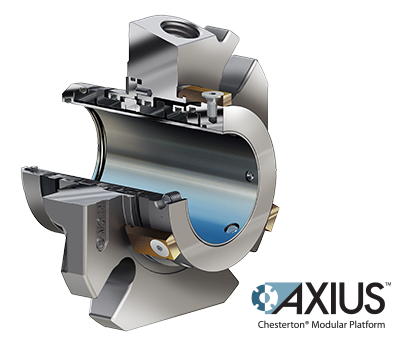
  • Use of high temperature coatings in the oil and gas industry

    Use of high temperature coatings in the oil and gas industry

    The oil and gas industry has long been at the forefront of the adoption of high temperature coatings to prevent internal corrosion of process vessels and other equipment operating at above ambient temperatures. 

    Highly corrosive conditions

     ARC HTS pour des conditions de solution aqueuse immergée jusqu'à 150°C (302°F)
    ARC HTS for submerged aqueous solution conditions up to 150°C (302°F)

    The most obvious reason for the industry’s advancement in coatings is the corrosive conditions that prevail at so many stages of oil and gas production. Severe corrosion can affect equipment from upstream production facilities to downstream refineries. These corrosion mechanisms are mainly caused by aqueous bases, high levels of chlorides and also corrosive atmospheres such as hydrogen sulphide and carbon dioxide. These conditions cause severe corrosion to many metals and alloys. Protective coatings based on organic polymers can provide very good long-term resistance in many applications.

    Oil and gas companies are very knowledgeable about corrosion prevention and have accumulated a lot of experience over the decades. Therefore, they generally know which technologies work under certain conditions and which do not. But new market changes are creating challenges for oil and gas companies and coating manufacturers.

    New challenges and higher temperatures

    De nouveaux défis et des températures toujours plus élevées

    As oil and gas reserves decline, the industry is forced to explore and extract deeper and deeper fields and to produce fluids with much higher levels of corrosives than in the past. In turn, this has led to an increase in the processing temperatures and pressures required to produce fuels that meet acceptable specifications.
    To keep pace, the protective coatings industry has had to develop new and improved organic polymer coatings capable of withstanding the higher operating temperatures and increasingly corrosive conditions. Chesterton/ARC offers a range of high-temperature coatings that meet a multitude of extreme exposures.

    The oil and gas industry also operates a great deal of older process equipment designed and manufactured from materials suitable for conditions that no longer exist today. This equipment must either be replaced at considerable cost or upgraded with protective polymer coatings or a coating of a more corrosion resistant metal or alloy.

    Testing and acceptance of new high temperature coating technologies

    Test et acceptation de nouvelles technologies de revêtement à haute température

    One of the challenges facing manufacturers of protective coatings is convincing major oil and gas producers that new coatings that withstand higher temperatures can withstand these more aggressive operating conditions. For oil and gas companies, the stakes are clearly high. A coating failure in a process environment that could bring a production platform to a halt can cost the operator millions of euros/dollars in lost production. Safety is another key criterion, particularly in the selection of any material used either offshore or in a refinery. All new materials and technologies must be thoroughly tested and proven before corrosion engineers will allow their use.

    Most major multinational oil and gas companies maintain their own lists of qualified and specified coatings that have passed laboratory testing and/or feedback in the field. Often, laboratory testing must be carried out by independent third party laboratories using standardised test methods. However, many operators have their own unique testing requirements that must be performed for a coating to be listed in their specifications. As a result, several independent laboratory tests must be performed to meet the requirements of all the world’s oil and gas companies. This increases the expense of developing new materials and increases the development time to bring new tested coatings to market.

    While there may be valid reasons why oil and gas companies require some differences in the product tests to be performed by coatings manufacturers, achieving a more common consensus on testing could allow coatings manufacturers to develop new technologies more quickly and invest in more R&D.

    New developments in coatings and how they work

    Les nouvelles avancées en matière de revêtement et leur fonctionnement

    There are two main types of polymers that are mainly used for the internal lining of vessels and equipment subject to aqueous corrosion at high temperatures and pressures:

    • Epoxy polymers
    • Vinyl ester polymers

    Although these types of polymers have been used as protective coatings for decades, recent advances in these technologies have enabled manufacturers to produce coatings capable of withstanding much higher immersion temperatures under severe corrosive conditions.

    These advances have been made possible by the development of polymers that have much higher glass transition temperatures (Tg) than older, traditional epoxy or vinylester polymers. Whereas older technologies were capable of achieving Tg’s in the 50-60°C range, these new high temperature polymers (such as those used in the ARC S5 high temperature coating – AW Chesterton’s most recent development) have Tg’s up to 210°C, allowing continuous immersion at temperatures up to 180°C.

    Protective coatings based on vinyl ester polymers have also made progress in recent years in terms of ultimate Tg capabilities. However, the use of vinyl ester coatings has declined in the oil and gas industry due to the more hazardous nature of these coatings during application.
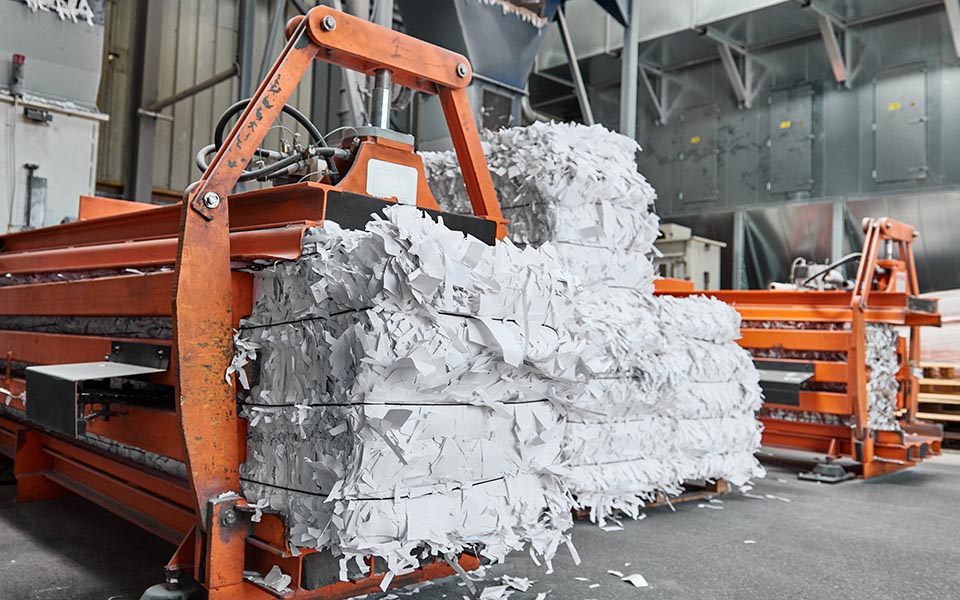
    High temperature coatings are typically used on equipment handling aqueous process fluids, where aqueous corrosion is a problem. Application areas include separation vessels, heat exchangers and coolers, coalescing filters, air flare lines, pipes and pipe coils, pumps, valves and a wide range of other equipment.

    Partnerships will bring new technologies to the market faster

    Looking to the future, it is certain that the oil and gas industry will face new challenges that will require new solutions, particularly in the area of corrosion protection in high temperature environments. Protective coatings manufacturers such as AW Chesterton are ready to meet these challenges and look forward to partnering with the oil and gas industry to bring new technologies to market faster and facilitate their adoption and acceptance.

    Les partenariats apporteront plus rapidement de nouvelles technologies sur le marché

    Learn more about proper surface preparation for successful coatings.

    More about the author Nick Wilson

    Contact and advice

  • The Chesterton Connect™ intrinsically safe (IS) sensor system monitors the performance of industrial equipment and mechanical seals in hazardous areas

    The Chesterton Connect™ intrinsically safe (IS) sensor system monitors the performance of industrial equipment and mechanical seals in hazardous areas

    The Chesterton Connect™ Intrinsically Safe (IS) sensor system, the latest version of Chesterton’s range of wireless IoT monitoring products, is certified for use on equipment and structures in most hazardous environments facing high pressures, high temperatures and flammable liquids. Chesterton Connect IS meets NEC/ATEX levels for Category 1 gas and dust Class 1/Division 1 (gas, steam environments) and Class 2/Division 1 (dusty environments) equipment and IP66 for outdoor use.

    “Intrinsic safety” is the electrical protection that allows the sensor to be used in hazardous areas with dust or gases that can ignite,” explains Juan Cid, product manager at Chesterton. “The sensor contains safety features within the electronics that prevent the sensor from raising the temperature of its components to dangerous levels.
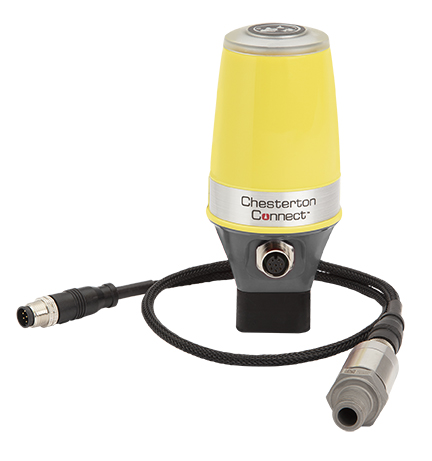
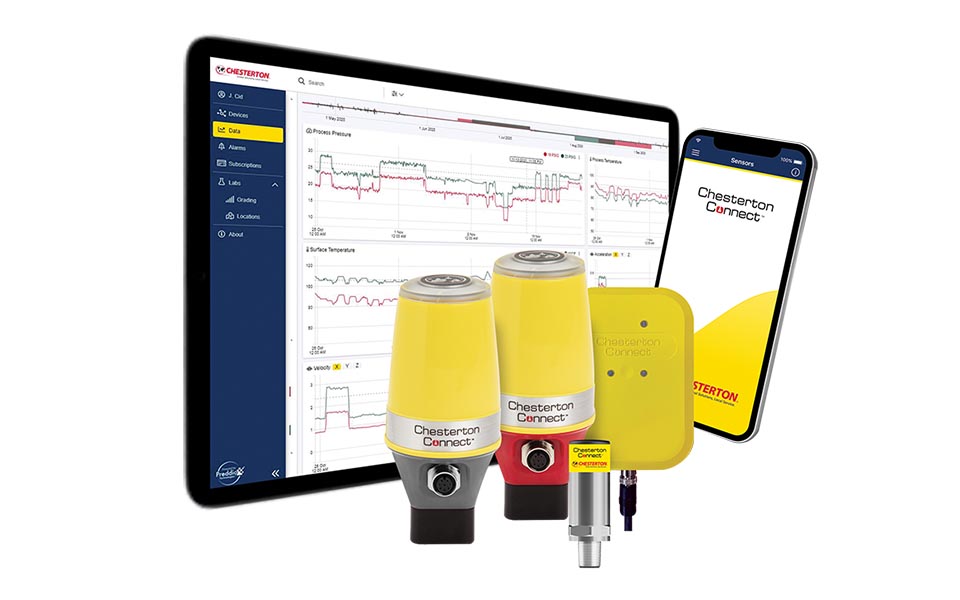
    The Chesterton Connect™  IS sensor is easy to deploy and monitors rotating equipment such as pumps and heat exchangers, as well as structures such as tanks 24/7 to:

    • Equipment vibration
    • Surface temperature
    • Process pressure
    • Process temperature

    Uniquely, Chesterton Connect™ IS checks for fluids impacting mechanical seals, which are often the first component to fail in a pump.
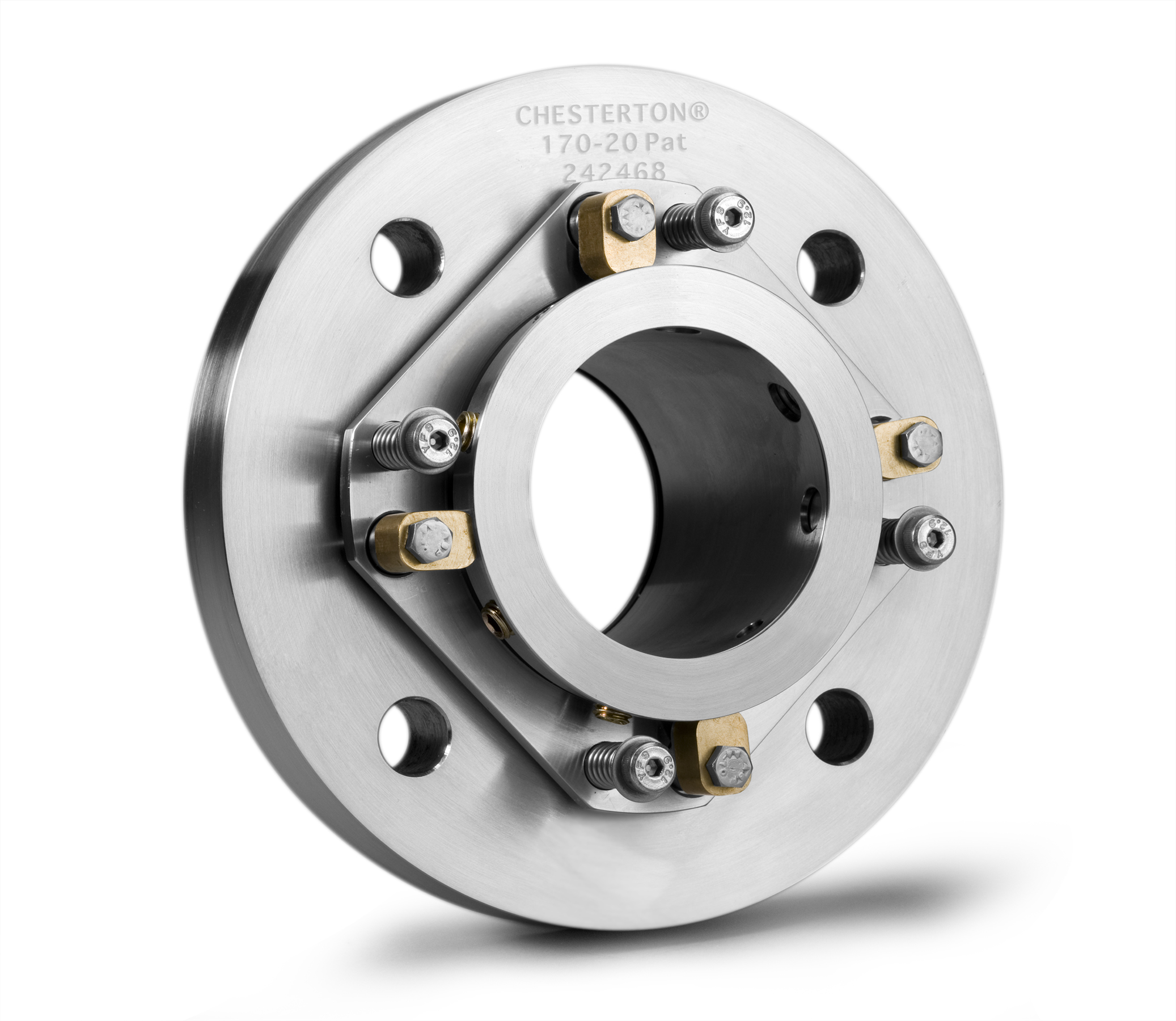
    The Connect IS system communicates with a mobile application via Bluetooth. The application supports multiple sensors to provide a complete view of the status of a plant’s equipment to detect and resolve problems before failure, often saving thousands of pounds in downtime. The application also alerts the user when predefined equipment operating limits are exceeded. Data collected from multiple sensors can be exported to the Chesterton Connect™ Cloud platform to spot trends and compare data to avoid equipment downtime and resolve hard-to-fix issues.

    Chesterton Connect IS sensors keep workers safe by allowing them to remotely check conditions and performance in hazardous areas, so plants can save maintenance time and avoid potential accidents.

  • Chesterton Connect™ – Installation video tips and tricks

    Chesterton Connect™ – Installation video tips and tricks

    Chesterton Connect is an easy-to-use data acquisition tool that allows you to safely and conveniently monitor the operating conditions of your processes and equipment.

    Easy to install, the unit and application allow the user to increase the uptime of rotating equipment.

    This video#1 offers some useful tips when installing a Chesterton Connect unit on a pump. Find out how to get the unit’s magnet close to the surface of your equipment, why thread sizes can matter, and other field tips that will help you monitor your sealing systems!

    You are currently viewing a placeholder content from YouTube. To access the actual content, click the button below. Please note that doing so will share data with third-party providers.

    More Information

    This video#2 explains some useful tips related to installing the P/T sensor in a single or double seal watering. Find out how to upgrade your Connect unit with various modules, how to combine watering and monitoring on a single mechanical cartridge seal, and other field tips to improve your dual seals!

    You are currently viewing a placeholder content from YouTube. To access the actual content, click the button below. Please note that doing so will share data with third-party providers.

    More Information

    More information