Category: Mechanical Packing and Gaskets

  • Production Efficiency and High Pump Reliability thanks to Innovative Packing Technology

    Production Efficiency and High Pump Reliability thanks to Innovative Packing Technology

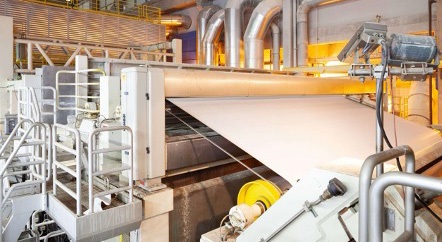
    Paper and pulp production is an extremely demanding industry. It is a long way from the processing of raw wood to the production of fine writing paper. In many manufacturing steps, the abrasive raw material is processed with hot water and chemicals. This means that all machine components need to be highly resistant to wear, high and changing temperatures and chemical attack.

    A wide range of pumps and rotating machines are used in this industry. Digesters, mixers, agitators, pulp pumps, screw conveyors, steam boilers – all of this equipment requires high-performance pump packing or shaft seals for efficient operation. Failures of individual pumps and machines can affect the entire process chain and can be very expensive if not addressed in a timely manner. 

    The use of innovative sealing technologies can increase the service life of the equipment and significantly reduce maintenance costs. Flushing water consumption is also considerably reduced, which is also a major benefit for the environment.

    Chesterton offers High-Performance Packing for Demanding Applications

    Reduced leakage, reduced maintenance, longer machine life – you can achieve these benefits by choosing the right mechanical packing.

    Our extensive portfolio includes high quality packing solutions that can provide excellent sealing performance, reduce operating costs and increase the productivity of your equipment by reducing downtime. We would like to highlight some special products for the complex paper industry:

    Chesterton® 377 CarbMax™ packing is successfully used for very demanding rotating machines, such as digester applications in the PPI sector. Braided to a high density, the product offers high resistance to abrasive materials and chemicals. The Chesterton 377 CarbMax™ packing is characterized by good thermal conductivity; dissipating frictional heat from the dynamic sealing surface. This robust design ensures a long service life of the packing with low maintenance requirements.  This shaft seal can improve the overall efficiency of your system by significantly extending the Mean Time between Repairs (MTBR).
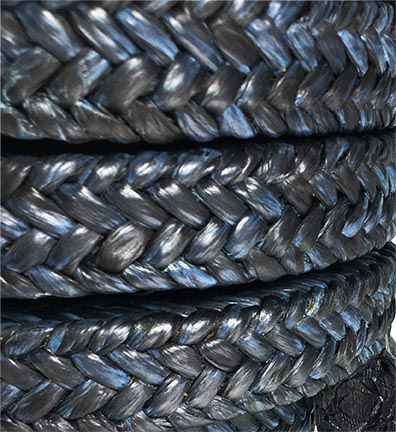
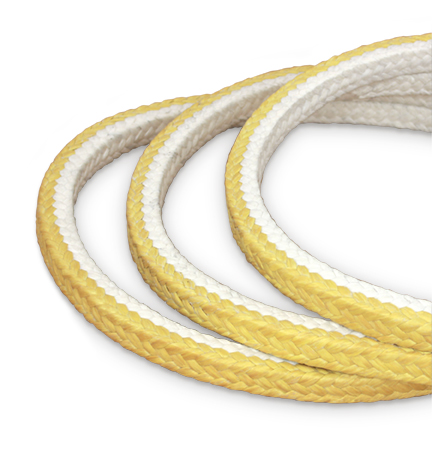
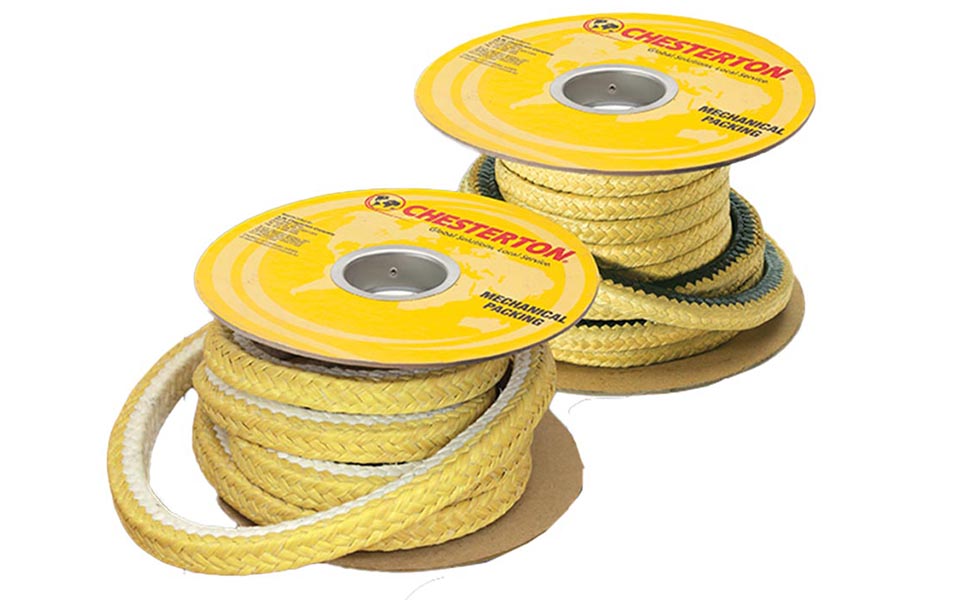
    Chesterton Mechanical Packing 377 CarbMax
    Chesterton 2212 DualPac - mechanical packing

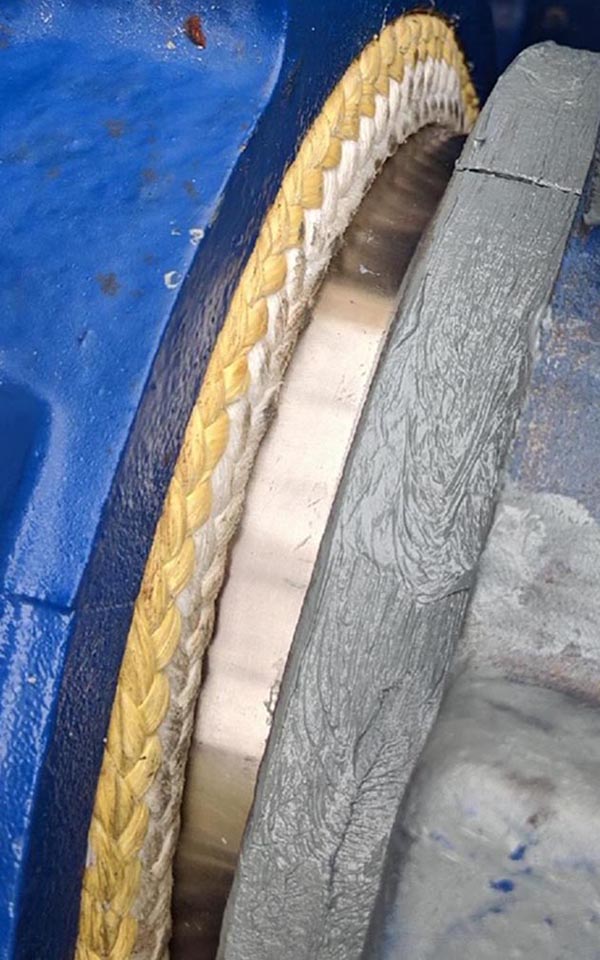
    The Chesterton DualPac® 2212 packing is a temperature-resistant, non-staining, high-pressure packing with superior sealing performance that requires minimal gland adjustment.

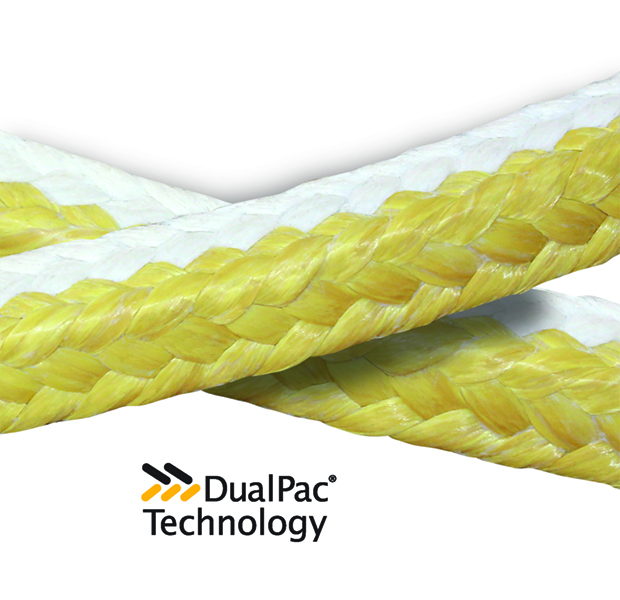
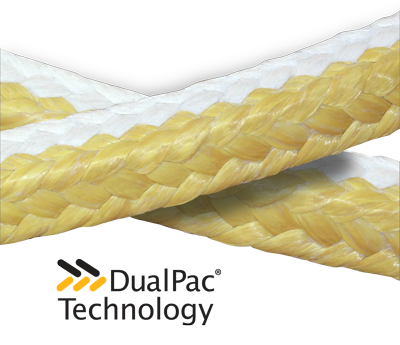
    Thanks to the patented braiding process, the DualPac 2212 packing combines burn- and glazing resistant materials on the shaft side with high-strength fibers on the outside.

    The high strength aramid fibers on the outside give the packing a strong, extrusion resistant and resilient base. The dynamic shaft side of the packing remains firmly pressed against the shaft and helps to ensure that the stuffing box requires only minimal adjustment, that leakage is reduced, and that the shaft is not damaged by burning and scoring.

    Many fluid media contain particles – such as the paper pulp in the pulp and paper industry. The problem with solids is that they cause excessive wear of the shaft sleeves and reduce the life of the packing. The solids usually settle at the interface between the rotating shaft sleeve and the pressure packing as they pass through the stuffing box. This reduces the Mean Time Between Repairs (MTBR) and increases maintenance costs.

    In addition to our high quality stuffing box packings, we recommend SpiralTracTM technology* to remove solids from the sealing environment to prevent wear of the shaft sleeve.

    Advantages of the additional use of the SpiralTracTM packing device

    • Reduction in pump and rotating machine downtime
    • Extension of the service life of pumps and rotating machines
    • Increased service life of the stuffing box packings used
    • Extension of the MTBR
    • Reduction in the amount of flush water required (often by 60% or more)
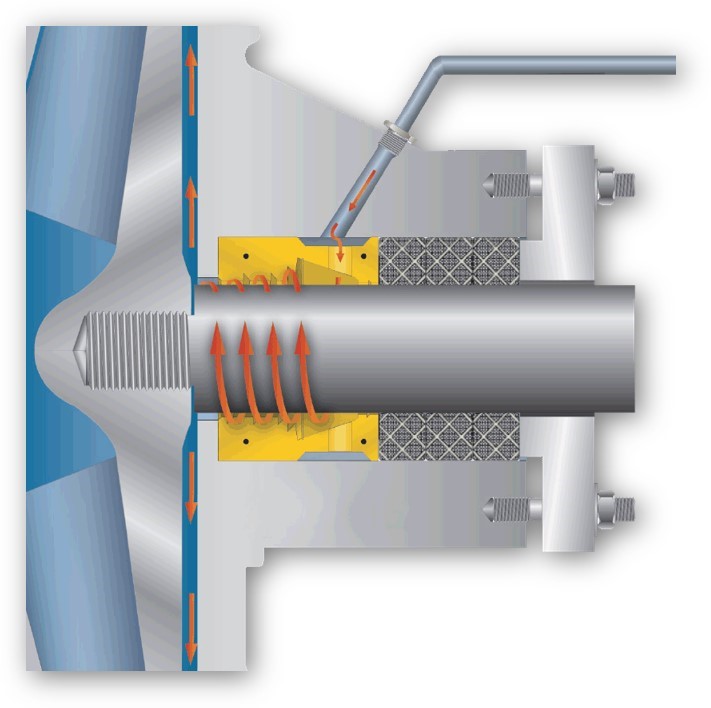
    Spiral Trac and Mechanical Packing from Chesterton

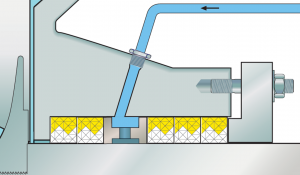
    When stuffing box gland bolts are difficult to access, manually adjusting the packing can be difficult and put the safety of personnel at risk.
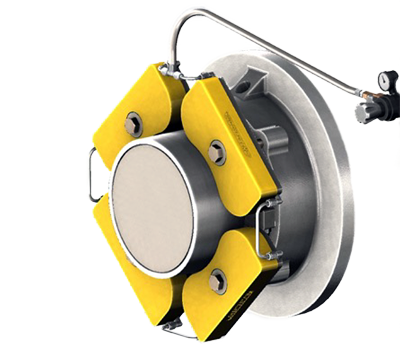
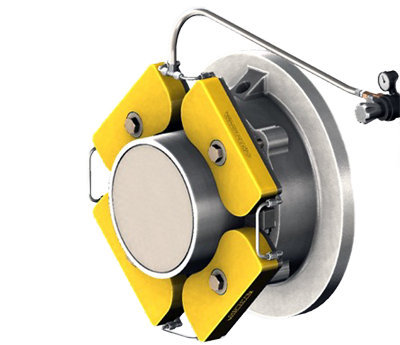
    Chesterton AMPS (Automated Mechanical Packing System)

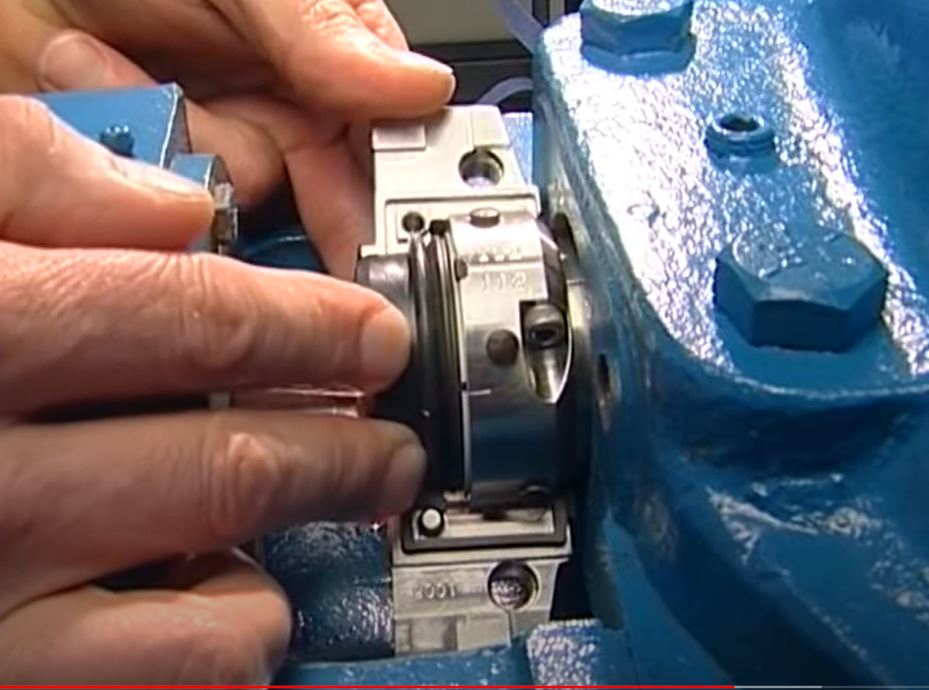
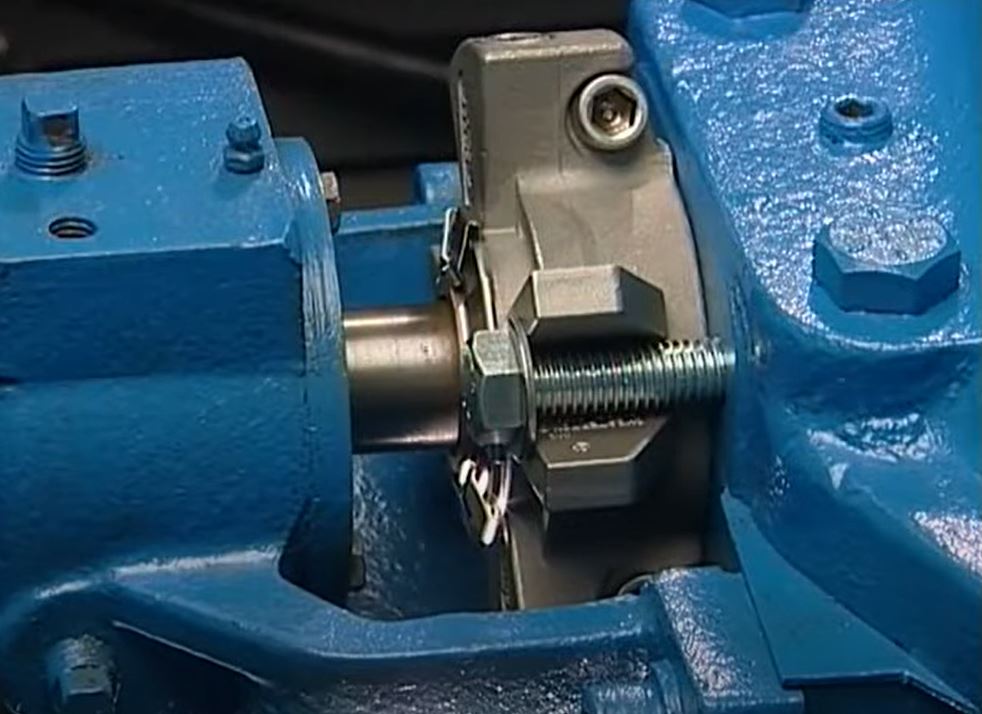
    This is where our Chesterton AMPS™ (Automated Mechanical Packing System) innovation is the solution. By automatically adjusting packing compression, this technology significantly reduces maintenance costs and eliminates any safety concerns. The AMPS unit maintains a constant force to the packing at all times. This process, called Active Loading, provides an even and consistent load that eliminates the need for manual packing adjustments and maximizes packing performance and life. This technology helps to minimize leakage, reduce maintenance and improve sealing performance. It also increases operator safety by allowing remote adjustment of the stuffing box pressure.


    Here you can gain an insight into our valuable experience: (case studies from www.chesterton.com)

    Case Study #1: Reduce Maintenance Costs and Increase MTBR for Sorting Screw Conveyor

    Case Study #2: Increase MTBR on Oxygen Reactors with 377 CarbMaxTM Packing

    Case Study #3: Paper Mill Improves Equipment Reliability and Safety with Chesterton® Solutions


    Conclusion

    Chesterton offers high performance packing products combined with new technical and automated innovations, which can significantly reduce the operating and maintenance costs of your rotating equipment, significantly extend MTBR, and clearly reduce leakage and shaft wear. Together with the advanced Chesterton mechanical seals, you get complete, plant-wide shaft sealing solutions.

    We will gladly help you with any questions regarding Chesterton Mechanical Packing Devices.
    Please ask our Expert Desk for further information.

    You can also make a preliminary selection using our product selector. Our product consultants will gladly assist you in selecting the ideal product for your application.

    *SpiralTracTM is a trademark of EnviroSeal Engineering Products Ltd.
  • Boosting Pump Performance and Increasing Pump Availability Using Chesterton® DualPac® 2212 Packing

    Boosting Pump Performance and Increasing Pump Availability Using Chesterton® DualPac® 2212 Packing

    There are numerous pumps in waterworks or sewage treatment plants in all industrial sectors. Pumps are involved wherever drinking water, process water and wastewater need to be moved; many of these pumps run continuously. No municipal or industrial water treatment plant can afford frequent, time-consuming pump shut-downs.

    Chesterton offers packing solutions for rotating equipment in a wide range of industries. However, in this article we would like to highlight the performance of our DualPac® 2212 pump packing. When used in combination with a SpiralTracTM Packing Device, these two products assist plants with reducing maintenance costs.

    Patented braiding technology of high-performance fibers – Chesterton DualPac 2212 Packing

    Conventional pump packing requires regular gland adjustment to control leakage.

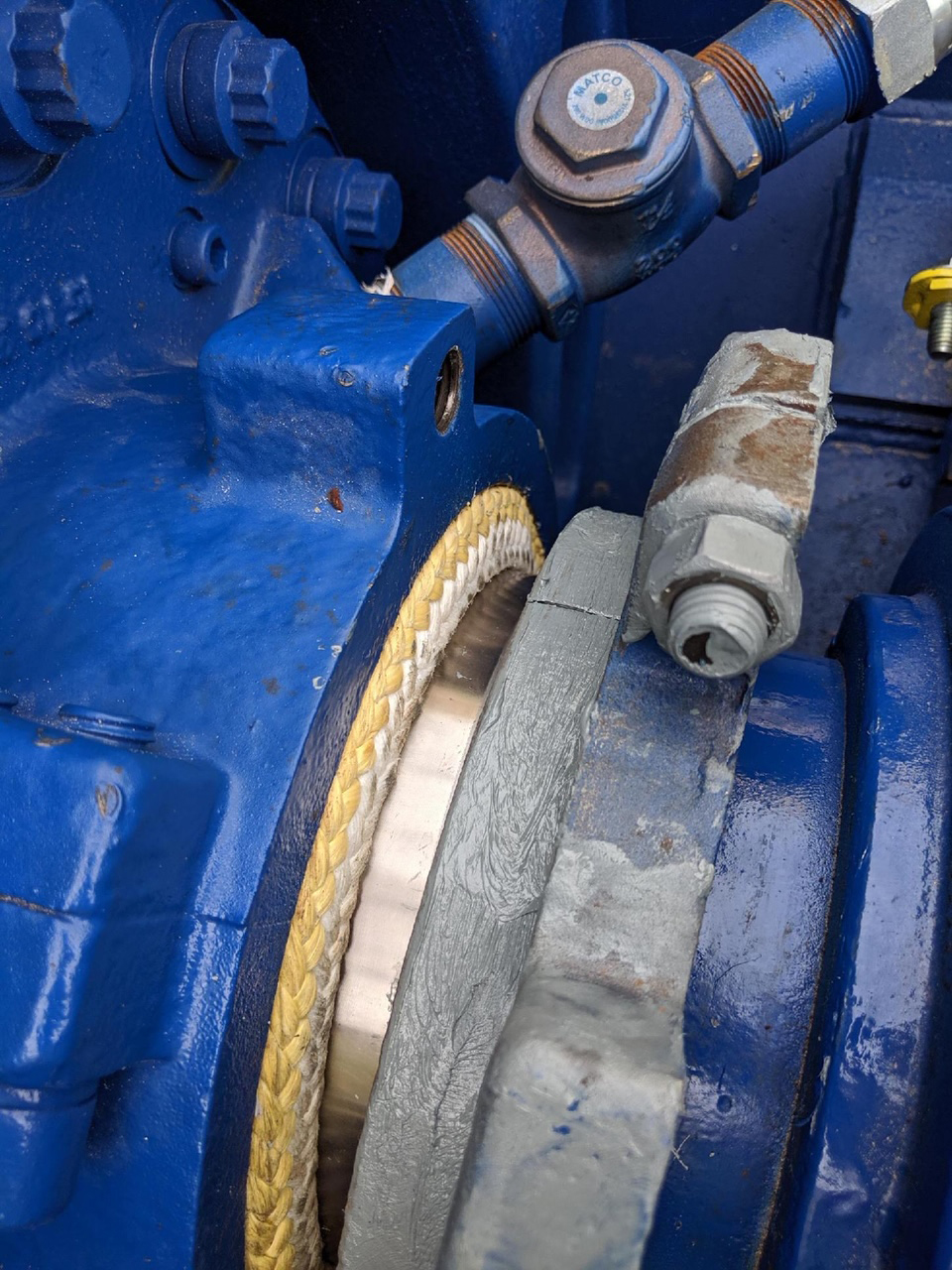
    Chesterton 2212 DualPac Packing installed in Pump

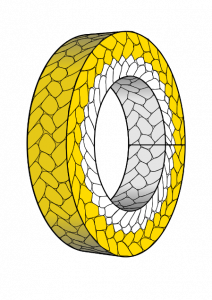
    Using a patented braiding method, Chesterton combines resilient and wear-resistant para-aramid fibers and temperature-resistant meta-aramid fibers to create a unique braided packing material. The fibers are braided separately on each side of the packing so that the properties of these high-performance fibers are used individually for the shaft side and the stuffing box side. The orientation of this 2-color packing in the stuffing box can be varied according to requirements. For example, heat-resistant fibers with a low coefficient of friction are used on the shaft side. The high-strength, elastic fibers act on the outside and seal reliably even with changing gland pressure. The packing remains properly compressed against the shaft, helping to minimize gland adjustments, reduce leakage, and mitigate shaft scoring.

    Chesterton DualPac 2212 packing offers these performance functions:

    • Heat-resistant fibers help to minimize gland adjustments and prevent over-tightening
    • Higher stuffing box pressure capabilities
    • Superior sealing performance and extrusion resistance in one packing
    • Lower leak rates than conventional packings
    • User-friendly: easy to cut, install and maintain

    The results of these product features are fewer gland adjustments and reduced maintenance costs.

    SpiralTracTM Packing Device removes solid particles in the stuffing box

    We complement the performance of DualPac 2212 packing with SpiralTracTM technology to remove solids from the sealing environment helping to prevent shaft sleeve wear. With the use of a flow controller, the amount of flush water required can be reduced by 60% or more.

    Many pumped media contain solid particles. Examples are slurries, wastewater, river water, etc. The problem with solids is that they cause excessive shaft sleeve wear. The solids typically embed themselves in the rotating shaft sleeve and compression packing interface as they migrate through the stuffing box. This decreased the Mean Time Between Failure (MBTF) and increases maintenance costs.

    The SpiralTracTM device is very effective for minimizing the impact of solid particulates in the stuffing box. Utilizing a spiral-shaped groove design, the SpiralTracTM device applies a centrifugal force to the pump medium entering the stuffing box in combination with the clean water flush. The centrifugal force imparted on the pump medium and incoming flush serves to effectively remove the solid particles found in the pump medium by directing them to an exit groove.

    Conclusion

    The combination of DualPac 2212 packing and the SpiralTracTM device, also known as Chesterton® “SuperSets,” is an effective solution to significantly increase the packing service life and reduce pump maintenance costs.

    Do you have specific questions about DualPac 2212 packing and SpiralTracTM devices?

    We will gladly help you with any questions regarding these products, or other Chesterton products. Please ask our Expert Desk for further information.

    You can also make a preliminary selection using our product selector. Our product consultants will gladly assist you in selecting the ideal product for your application.

    *SpiralTracTM is a trademark of EnviroSeal Engineering Products Ltd.
  • Reducing maintenance on turbine shafts sealed with compression packing

    Reducing maintenance on turbine shafts sealed with compression packing

    Hydro turbine shafts are sealed using various sealing methods. One of the traditional methods of sealing turbine main shafts is compression packing. Compression packing has several advantages over alternative sealing methods:

    – Relatively simple technology
    – Non-catastrophic failure
    – Low initial cost

    Many hydro turbines in operation today are still sealed with compression packing, besides the other technologies that are available and used. Unfortunately, compression packing has some disadvantages as well:

    – Maintenance intensive – retightening and frequent replacement
    – Leakage – compression packings are generally not hermetically sealed and, on a rotating shaft, require some leakage for lubrication and cooling.

    Packings can be replaced by other methods, but this can be costly and sometimes technically infeasible. A.W. Chesterton Co. has developed technology to overcome the disadvantages of packing. This technology reduces maintenance, extends MTBR and reduces downtime and costs.

    1. Compression packing technology

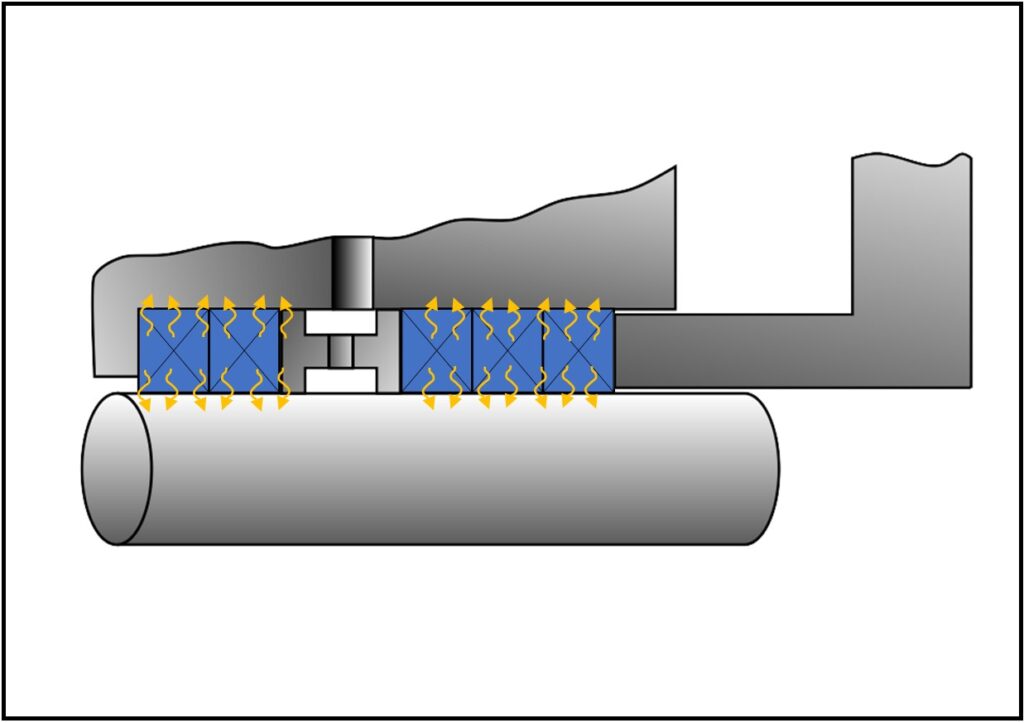
    Let us take a look at the technology behind compression packing. Compression packings are braided from synthetic or natural fibres and they are filled with lubricants and blocking agents. These lubricants are usually mineral or synthetic oils or greases. PTFE suspension is also a commonly used lubricant. Lubricants have a dual function. They reduce friction between the shaft and packing, but also act as a blocking agents to prevent water from seeping through the packing braid structure. Packing rings are installed in a cylindrical shaped chamber called a stuffing box (figure 1).

    Figure 1: The working principle of compression packing

    Typically 4-6 rings of packing are installed in the stuffing box. The gland follower on this stuffing box is used to compress the packing rings. This follower creates an axial force on the packing rings which is converted into a radial force in the packing rings. This radial force is the force that creates the seal. Because lubricants slowly disappear from the packing (because they are squeezed out) and because the packing rings are subject to wear, the gland follower must be retightened from time to time. The frequency of this retightening requirement will vary depending on the application. It can vary from daily to monthly.  Therefore, compression packing is by nature a maintenance intensive sealing method. Eventually, the lubricant will be used up and the packing will be worn to the point where it needs to be replaced.

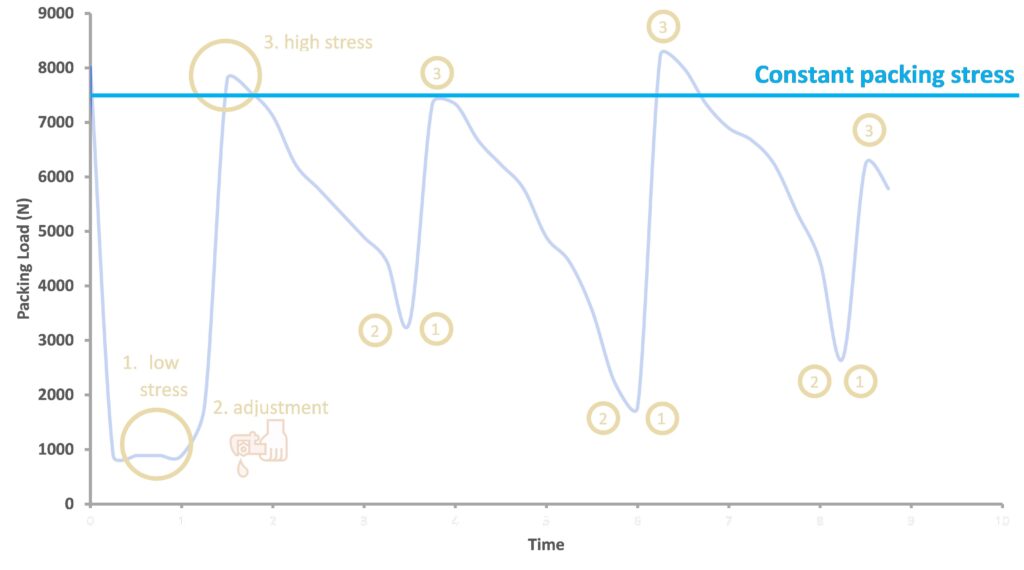
    If we plot this retightening process on a graph and look at the packing stress versus time, we get the following graph (figure 2).

    Figure 2: Maintenance cycle of a standard stuffing box

    This maintenance cycle illustrates a number of issues associated with the use of compression packing:

    1. At the points where packing stress is low, solids in the sealed liquid can penetrate between the packing and the rotating shaft, wearing both the shaft and the seal, therefore further reducing packing life and potentially causing equipment damage.
    2. Frequent adjustments make the use of compression packing labour intensive
    3. The sealing stress is high at the peak of the maintenance cycle. Maintenance personnel tend to over-tighten the packing in an attempt to extend the time between adjustments. Unfortunately, this has the opposite effect because the packing suffers of additional wear and more lubricant is squeezed out. Therefore this shortens the life of the packing even further.

    It would be more beneficial to maintain a constant moderate load on the packing. This would eliminate or reduce all of the above problems (figure 3).

    Figure 3: Ideal load management on compression packing

    2. Chesterton offers the optimum solution

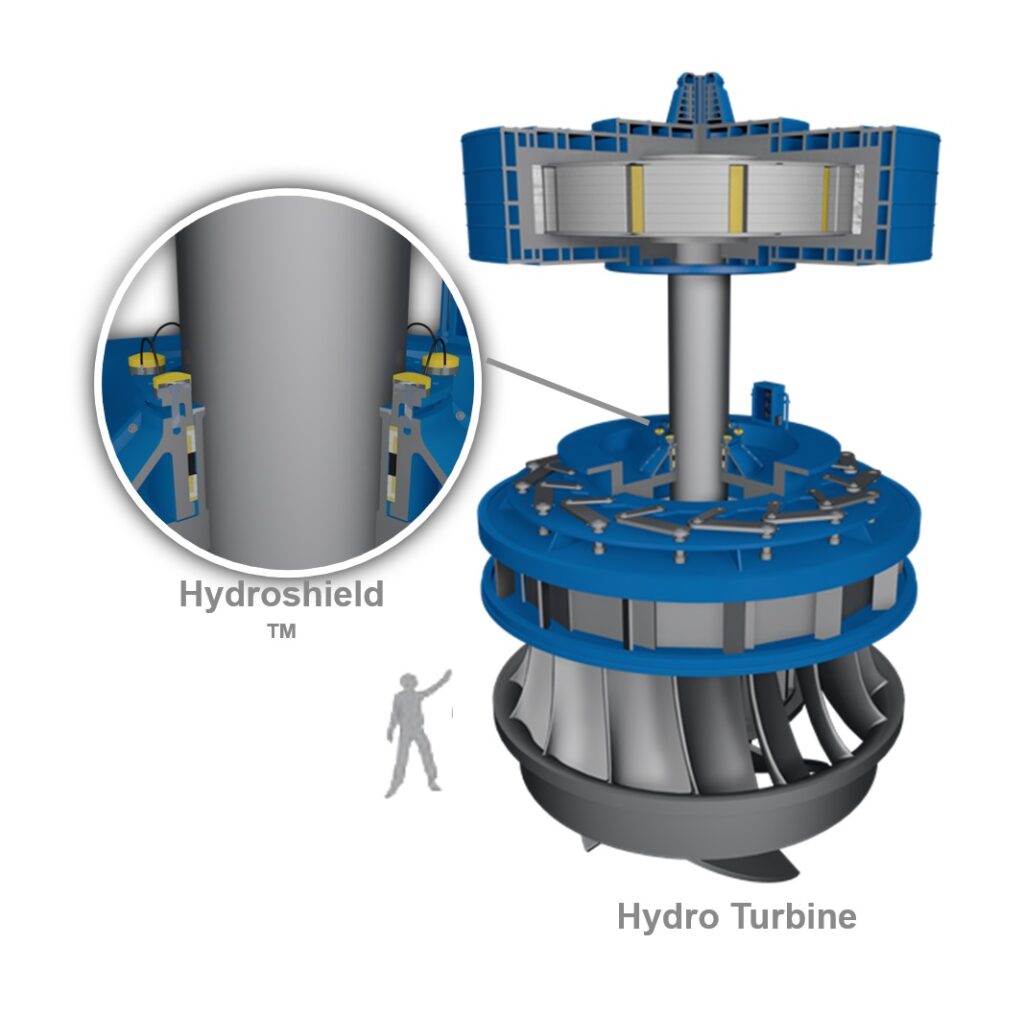
    A.W. Chesterton Co. has developed a patented technology that eliminates the problems normally associated with compression packing. This technology is the Hydroshield™ system featuring Chesterton’s AMPS™ technology (Automated Mechanical Packing System).

    Hydroshield™ consists of pneumatic actuators located on the packing gland that maintain a constant force on the packing to keep the leakage level constant. As the packing loses lubricant and volume through wear, the system automatically adjusts. The system consists of several components:

    – The compression packing

    – The pneumatic actuators

    – The interconnecting pipework

    – A control unit

    Figure 4: Chesterton Hydroshield TM system

    The gas pressure is supplied by plant air or a gas cylinder. The control unit consists of at least a pressure regulator, but may optionally include a buffer tank to protect against loss of plant air pressure, and other auxiliary equipment to monitor and guard air pressure. The actuators are specifically designed to provide the force required to seal the packing in the specific stuffing box configuration. The pressure regulator is used to fine tune the pressure and keep the leak rate at an acceptable level. The air consumption of the system is very low. Typically 15 litres of air is used during the installation and initial adjustment of the packing and system. During normal operation the air consumption is close to zero. The gas pressure is only used to maintain a force on the packing.

    Figure 5: Pneumatic Diagram

    The system is constructed from 316SS with Viton O-rings and a polypropylene dust cap. Materials can be modified to suit application requirements.

    2.1 Technology comparison

    Alternative technologies can be used to seal turbine shafts effectively. Radial Segmented seals and Mechanical Seals are alternative technologies that are successfully applied. The table below shows a comparison between technologies.

    Hydroshield™Radial Segmented SealsMechanical Seals
    SizeNo limitUp to 2000mm (80”)Typically 760 mm (30”), Split seal up to 915 mm (36”)
    PriceMost economical (when upgrading from compression packing)ExpensiveMost expensive
    Pressure ratingUp to 35 bar (500 psig)Around 10 barUp to 7 bar
    AdaptabilityAdjusts to system pressure changesNoneNone
    Flush conditionNo special filtration system requiredSpecial water FiltrationMaximal particle size 30-50 micron
    Water usage0.02 L/Min Achievable20 – 90 l/minDependent on equipment
    Smart ControlRemote control and monitoring (Connect) add-ons availableNoneNone
    InstallationEasiest to installDifficultDifficult
    Table 1: Sealing Technology Comparison

    2.2 Sucessful Case history with Chesterton Hydroshield™

    An example of an application is the refurbishment of a 100 year old Dominion Engineering turbine in Canada. The turbine shaft was sealed with compression packing and it was not possible to upgrade the system to an alternative sealing method. Bryson Generating Station is a run-of-river facility located on the Ottawa River. The Bryson station is owned by Hydro-Québec. Commissioned in 1924, it has a capacity of 61 MW with 3 units.

    The major problem with the compression packing was that the area where the packing gland was located was subject to flooding and it was unsafe to retighten the packing gland while the turbine was in operation. The existing packing sealing system was weak and leaking heavily, causing unnecessary stoppages for maintenance. As a result, the turbine had to be stopped to retighten the packing. This resulted in costly shutdowns. The alternative was significant leakage over an extended period of time. The turbine shaft was 29″ (737mm) in diameter.

    A Hydroshield™ system was installed on the packing gland in combination with 5 rings of DualPac 2212 compression packing. Hydro-Quebec certifies that the system meets the technical requirements. The system has been in operation since the beginning of 2021 and the packing is replaced preventively during regular outages. The customer has also upgraded the 2 other turbines with the same system.

    Hydroshield TM Installation at Bryson Power Station

    3. Conclusion

    Compression packing is a sealing method that is still widely used in hydro turbine shaft applications. While compression packing has some advantages, it also has some disadvantages. The main one is that compression packing on rotating shafts is maintenance intensive. Chesterton has developed a system that eliminates maintenance to a great extent on packed glands and extends the life of the packing. The system reduces the operating cost of the turbine, increases reliability, and increases worker safety. The system has been successfully installed in several turbine applications around the world.

    Do you have a specific question? Please ask our Expert Desk.

    You can also make a preliminary selection using our product selector. Our product consultants will gladly assist you in selecting the ideal product for your application.


    The Author:

    Hans E. Dekker graduated as a Bachelor of Engineering at the Saxion Polytechnic in Enschede in the Netherlands. He is working in the sealing industry for over 25 years in various functions in Engineering and Marketing. He is the Product Line Manager in Europe, Middle East and Africa for Compression Packing and Gaskets for the A.W. Chesterton Company. Hans is an active member of the European Sealing Association.

  • Streamlining Slurry Pump Maintenance with Innovative Sealing Solutions

    Streamlining Slurry Pump Maintenance with Innovative Sealing Solutions

    Slurry pumps are integral to many mining operations, but their maintenance, particularly the replacement of seals, can be challenging. The abrasive nature of slurries can wear down packing or clog mechanical seal components, reducing seal life to mere weeks or even days. With downtime proving costly, choosing an efficient and easily replaceable sealing solution is crucial.

    Expedite Seal Replacement with Best Practices

    In this article, we will discuss some best practices that can accelerate the process of replacing packing and seals in slurry pump applications.

    Packing: Overcoming the Challenges of Lantern Ring Replacement

    One of the most significant hurdles during packing replacement is removing the lantern ring and the bottom rings. Lantern rings can become off-axis, bind up in the stuffing box, or get clogged with particulates, making removal difficult and time-consuming.

    Why Leaving the Lantern Ring Unchanged Is Not Recommended

    Despite these challenges, it’s not advisable to leave the lantern ring in place while only replacing the rings above. Here’s why:

    Over time, the unreplaced bottom rings will wear, extrude, and consolidate, causing the lantern ring to move towards the bottom of the stuffing box and misalign with the lantern ring port.

    This alteration prevents flush from reaching the ID of the packing, allowing solids to penetrate under the packing and dramatically reducing its lifespan.

    A symptom of a misaligned lantern ring is heavy flush water leakage on the OD of the packing, indicating either misalignment or clogging due to intermittent or inadequate flush pressure, or dirty flush.

    Solution: Eliminate the Lantern Ring

    The solution to difficult lantern ring removal is straightforward—don’t use a lantern ring.

    Our tests have shown that the first three rings of packing do the majority of the sealing, and the bottom rings mostly serve to keep solids out.

    By using a throat bushing with built-in flush ports, you can eliminate the need to remove the lantern ring when you repack, and you’ll use less packing.

    Since the top rings perform most of the sealing, you won’t sacrifice sealing capability.

    To make the system more reliable, specifically engineered bushings are available that alter the water flow within the stuffing box to actively remove and exclude solids (e.g., SpiralTrac – Type P). This makes that the packing works in a clean environment, significantly extending it’s lifetime.

    Pre-Cut Packing Rings: A Time-Saving Solution

    Another method to expedite slurry pump repacking is to purchase pre-cut rings. Most packing manufacturers now offer pre-cut rings for a small fee, which can be offset by eliminating the time and scrap required when cutting them yourself. These rings ensure correct sizing and accurate cuts made with a sharp blade.

    Another method to expedite slurry pump repacking is to purchase pre-cut rings. Most packing manufacturers now offer pre-cut rings for a small fee, which can be offset by eliminating the time and scrap required when cutting them yourself. These rings ensure correct sizing and accurate cuts made with a sharp blade.

    Mechanical Seals in a Slurry Environment: Selection & Environment

    While modern cartridge mechanical seals are significantly easier to install than component seals, their installation still requires decoupling the power end and often moving pump/motor components. This can be time-consuming, particularly with large slurry pumps.

    Advanced Split Seal Design: An Efficient Alternative

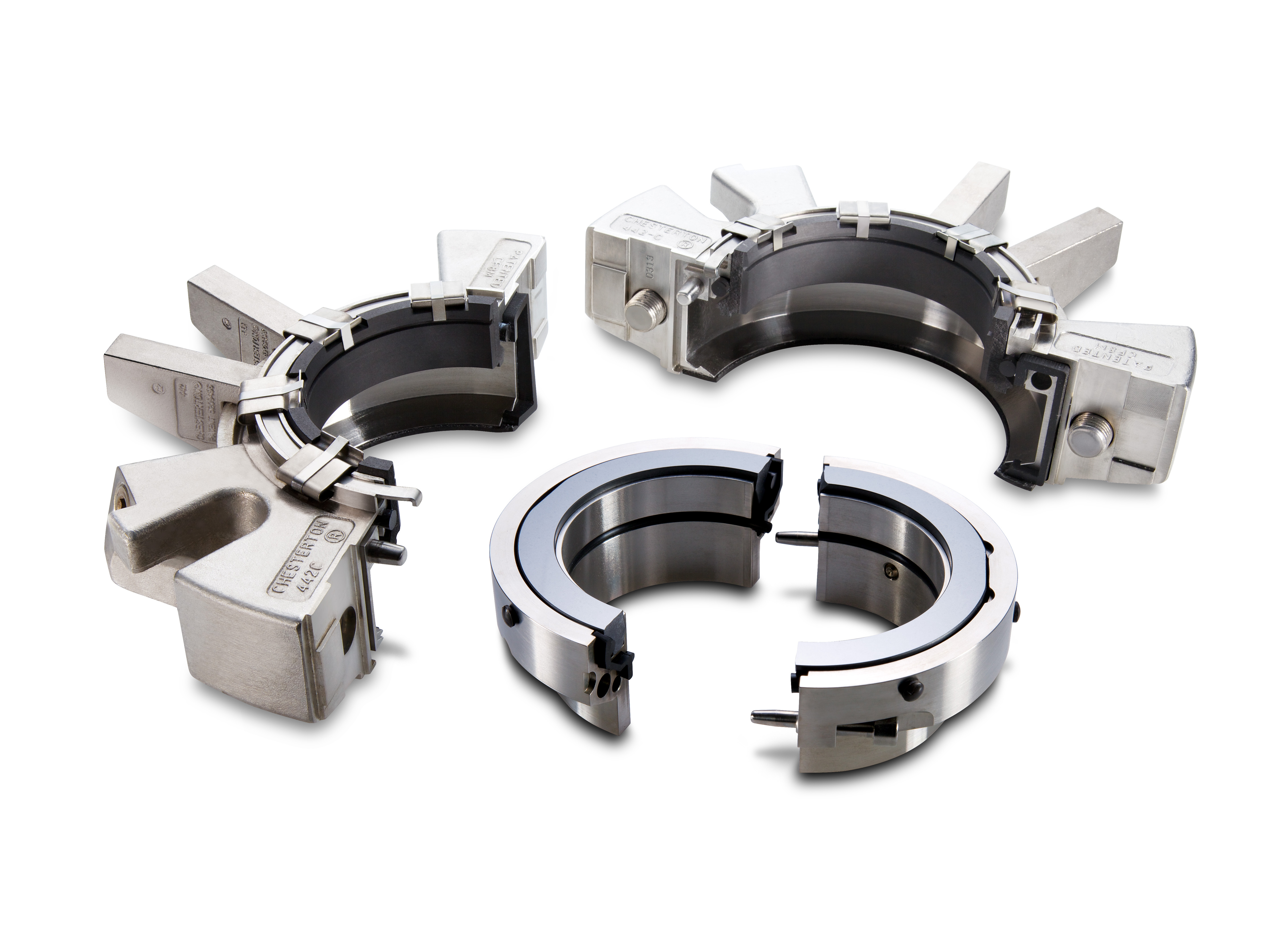
    Over the past decade, advanced split seals like the Chesterton 442C Seal have evolved to have fewer components, making installation a matter of minutes rather than hours. This seal design can also now achieve seal life equivalent to a non-split seal. Newer features also include fully split O-Rings and easy field-repair capabilities.

    Controlling the Seal Environment

    Setting up appropriate environmental controls is critical when using Mechanical Seals in a slurry pump environment:
    A clean flush is often required to keep control of contaminents in the stuffing box.

    A bushing can be utilized to limit the amount of particulate that can get into the seal chamber. As with packing, there are engineered bushings designed to remove particulate from the seal chamber and help the seal operate in a clean fluid to improve seal life (Chesterton carries several varieties of these: the SpiralTrac Environmental Controller).

    When a clean flush isn’t an option, heavy-duty slurry seals have dedicated features to withstand harsh slurry conditions. Typical Mechanical Seal features are line-on-line seal faces, non-clogging external springs, larger clearances to reduce clogging, and high-strength drives. These can often operate flushless under certain conditions, which can be improved with other environmental controls.

    Other Methods of Improving Reliability and Reducing Maintenance

    Aside from sealing considerations, there are many other ways to protect your assets and ease maintenance:

    • Reinforced coatings can extend the life of pump internals and reduce equipment costs.
    • Proper and automated lubrication extends bearing life along with adequate bearing seals.
    • High-quality bolt and nut lubrication makes disassembly much easier.

    By implementing these strategies, mining operations can streamline their slurry pump maintenance, reducing downtime and increasing productivity.

    Please ask our Expert Desk for further information.

    You can also make a preliminary selection using our product selector. Our product consultants will gladly assist you in selecting the ideal product for your application.

  • A new sealing braid for pumps and other rotating equipment

    A new sealing braid for pumps and other rotating equipment

    Chesterton has launched its revolutionary new DualPac® 2212 pump seal.

    Dualpac®  is a unique braiding technology invented and patented by Chesterton that allows the braid manufacturer, for the first time in history, to give the dynamic side of the braid the ideal properties for a dynamic seal, and the static side of the braid the ideal properties for a static seal.

    An industrial braid specially designed for demanding applications

    Nouvelle Tresse pour applications des systèmes rotatifs, pompes à papier, boues, agitateurs, mélangeurs, demandez une demonstration

    Launched two years ago, the first DualPac® version was the Dualpac 2211 pump seal braid – this robust and strong braid was specifically developed for the sealing requirements of severe applications in the mining industry. This braid design has proven to be very effective in extending the usually very short MTBR.

    Based on this success, Chesterton’s product development team worked on a new braid to cover a wider range of applications. This research resulted in DualPac® 2212, a new pump seal braid.

    A braid with two complementary fibres

    Nouvelle Tresse pour applications des systèmes rotatifs, pompes à papier, boues, agitateurs, mélangeurs, demandez une demonstration

    The DualPac® 2212 braid incorporates two types of fibres of different materials:

    • On the dynamic side, we have a fibre made of meta-aramid. This material has interesting properties such as high heat and burn resistance and avoids damage to the shaft.
    • On the static side, i.e. where the braid is in contact with the inner wall of the stuffing box, we have a para-aramid fibre. This material has an excellent mechanical strength and a very good resilience. The resilience of this fibre allows the whole braid to apply a constant pressure on both sides to be sealed (dynamic and static sides), thus extending the interval between gland tightenings and increasing the life of the braid. Due to the design of the braid, the para-aramid fibre is not in contact with the shaft which eliminates the shaft wear usually associated with para-aramid.

    Video explanation here

    Less maintenance and increased safety

    En savoir plus sur les tresses pour les pompes à eau, pompes à papier, boues, agitateurs, mélangeurs.

    With this braid, users have reduced maintenance time, reduced operating costs and increased plant safety by reducing leakage from flushing water. The braid is recommended for applications where abrasive fluids need to be sealed, such as in the wastewater treatment and drinking water industries, as well as the paper and sugar industries.

    Chesterton’s patented Dualpac technology revolutionises the way braids are sealed. With the Dualpac 211 and DualPac 2212 pump seals, it sets a new standard for sealing rotary equipment with braids.

    Learn more about braids for water pumps, paper pumps, sludge, agitators, mixers, ask for a demo.