Category: Mechanical Seals

  • Chesterton® Mechanical Seals: Game Changer for Profitability in Pulp and Paper Plants

    Chesterton® Mechanical Seals: Game Changer for Profitability in Pulp and Paper Plants

    Chesterton is a full-solutions provider for pulp and paper mills and understands energy, efficiency, reduced water consumption and downtime are key cost differentiators in the industry.

    The pulp and paper industry faces several significant challenges today. These challenges span environmental, economic, technological, and regulatory aspects. Some of the main challenges are the aging infrastructure, cost of energy and maintenance as well as water scarcity and environmental regulations.

    Mechanical seal technology plays a vital role to combat challenges in Today’s environment for the manufacturers in Pulp and Paper Industry.

    Keep your Machinery Running 24/7 – Achieve More Reliable Sealing of your rotating equipment

    Chesterton’s advanced mechanical seal technology utilizes high-quality materials that provide long-term resistance to corrosion from chemicals such as caustic soda and chlorine compounds, as well as erosion and wear from abrasive particles in the pulp slurry.

    Our mechanical seal designs are ideal in applications with varying pressures, temperatures and speeds / flow rates and are easy to install, inspect and replace. Maintenance times and costs can be significantly reduced, resulting in optimum operating efficiency.

    Chesterton cartridge seals reliably minimize leaks and maximize pump performance
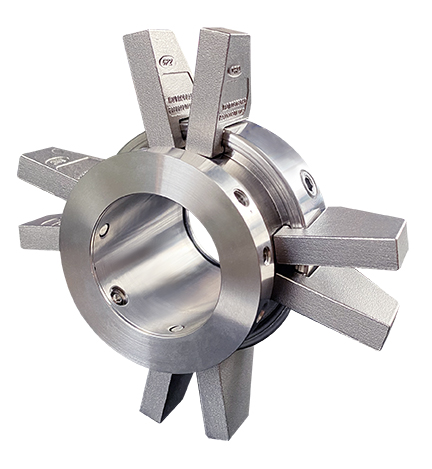
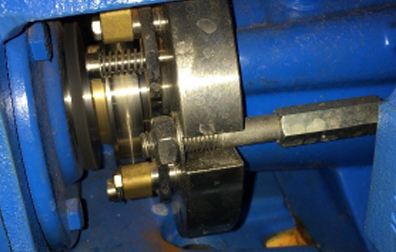
    Chesterton Mechanical Seal 1510

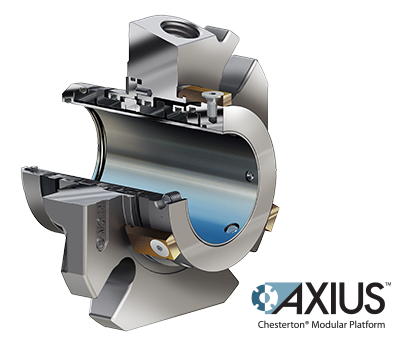
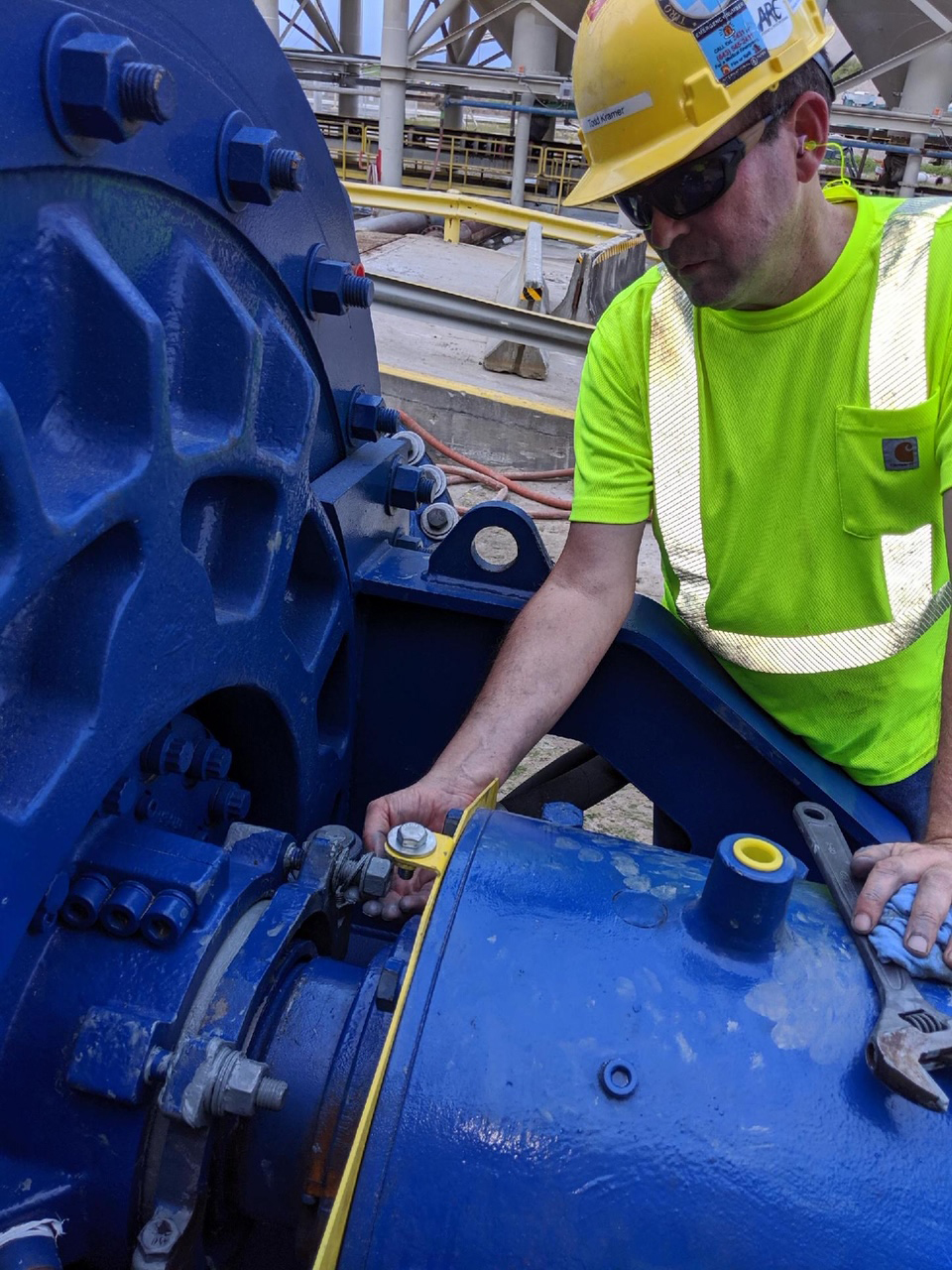
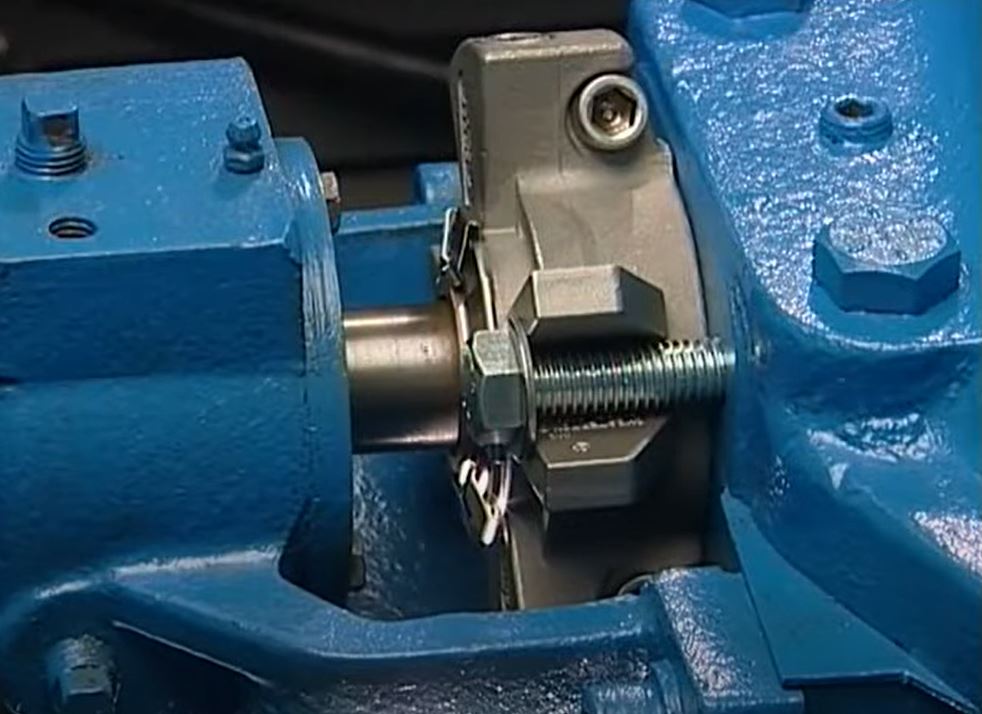
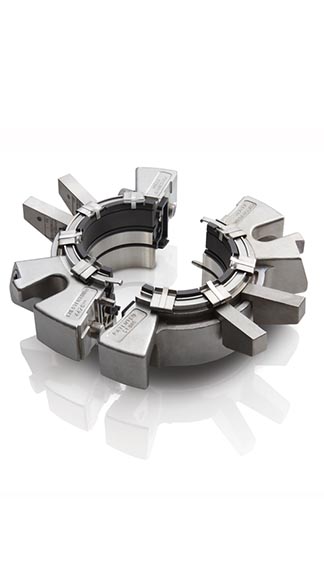
    Chesterton offers a wide range of suitable mechanical seals for the demanding paper industry. In this article, we like to highlight our AXIUS™ Platform 1510 Single Cartridge Seal. With this pre-assembled cartridge seal, you can achieve maximum pump performance with simple installation:

    • Reliable through temperature cycling and intermittent process with monolithic seal faces
    • In service impeller adjustment is possible with the unique centering strap
    • Mounts easily on various types of rotating equipment using Chesterton T.A.B.S.™ technology
    • Prevents damage to your equipment and internal components via true non-fretting design

    The Chesterton T.A.B.S. (Tapered Adjustable Bolting System) is an innovative fastening system that helps ensure even stress dispersion and optimum sealing due to its tapered design and adjustability. It offers numerous benefits, including improved sealing performance, longer component life, ease of installation and maintenance, increased operational reliability and cost efficiency. Due to these features, the T.A.B.S. system is successfully used in various industries, including the pulp and paper, chemical, power plant, and food and beverage industries.

    Key Benefits of Chesterton Mechanical Seals

    1. Plant wide standardizations with AXIUS Platform seals 1510 and 2510: Equipment standardization in industrial plants, including those in the pulp and paper industry, can significantly impact cost reductions in several ways.

    Here are the primary benefits:

    • Improved Reliability and Performance
    • Lower Maintenance and Repair Costs
    • Training and Workforce Efficiency
    • Innovation and Upgrades
    Chesterton Mechanical Seal 2510

    By adopting equipment standardization, plants can achieve significant cost savings across various areas, enhancing overall operational efficiency and financial performance.

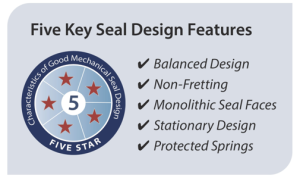
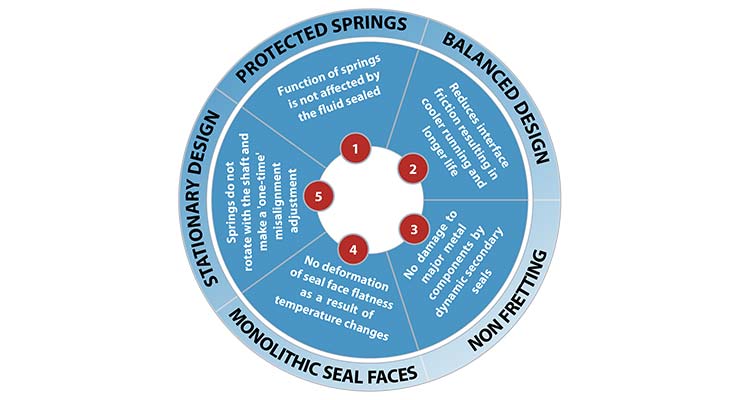
    2. AXIUS Seal product line with 5 Key Seal features to “safety-belt” off conditions: These design elements help ensure that the seals can withstand challenging operational environments, reduce maintenance costs, and enhance overall equipment performance.

    • Protected springs
    • Balanced design
    • Non fretting
    • Monolithic seal faces
    • Stationary design

    By focusing on the five key features of mechanical seal design, Chesterton mechanical seals aim to provide high reliability, ease of use, and longevity in a wide range of industrial applications.
    3. Improved Efficiency reduces overall cost: High-quality sealing technologies are crucial for the efficiency of pulp and paper systems. Water and energy savings are critical for reducing environmental impact and operational costs. Here is how they contribute to these savings:

    • Energy savings through reduced friction losses compared to gland packing technology.
    • Water savings by eliminating or reducing seal leakage and flush requirements.

    Decades of presence in the paper sector bring plant operators forward

    Chesterton has been a leading supplier of sealing solutions in the paper industry for many years. Our advanced mechanical seal technology effectively contributes to a longer service life of mechanical equipment, significantly extending MTBR. Chesterton also has systems that achieve considerable savings in flushing water.

    With the Chesterton Connect™ system, we also offer an IIOT-based monitoring solution for mechanical seals and rotating machinery that monitors the performance of your equipment and alerts you to anomalies that could lead to downtime or malfunctions.

    For more information about our mechanical seals, visit our “Reliability Matters” blog, which covers essential topics such as the “5 Key Features for Good Mechanical Seal Design.”


    Here you can gain an insight into our decades of experience in the water and wastewater sector:

    Case Study #1:
    Chesterton 1510 Seal and Connect Monitoring Increase MTBR

    Case Study #2:

    Chesterton 442C Cartridge Split Seal & SpiralTrac Saves Plant 3 Million Gallons of Water

    Pulp and Paper Brochure:

     Pulp and Paper Brochure – Industry Solutions and Services


    Conclusion

    Addressing the challenges the pulp and paper industry is challenged with multiple requirements a multifaceted approach, including adopting sustainable practices, investing in new technologies, improving operational efficiency, and engaging with stakeholders to align on environmental and economic goals.

    A thorough review of equipment and their sealing solutions in terms of water and energy efficiency is required and Chesterton solutions are available to increase plant profitability in many ways.

    Do you have any questions about our Mechanical Seal Technology? Our Expert Desk is here to help. We are happy to assist you!

    You can also make a preliminary selection using our product selector. Our product consultants will gladly assist you in selecting the ideal product for your application.
  • Chesterton® Mechanical Seals: Indispensable in the Water and Wastewater Sector

    Chesterton® Mechanical Seals: Indispensable in the Water and Wastewater Sector

    The water and wastewater industry is grappling with numerous challenges. Rising energy and maintenance costs, stringent environmental regulations, and aging infrastructure demand specific attention and solutions.

    Pumps, mixers, and agitators in water and wastewater treatment facilities must operate continuously. The constant use and long service life of these machines place significant stress on all components. Chesterton mechanical seals have demonstrated their ability to lower maintenance costs and increase equipment uptime. Split mechanical seals, in particular, are designed to extend the life of worn equipment by upgrading from gland packing

    Key Benefits of Chesterton Mechanical Seals

    • 1. Enhanced Safety and Reduced Maintenance Costs: The Chesterton 442C split seal can be installed without disassembling large equipment, significantly reducing maintenance costs and enhancing safety. This innovation allows for quick and efficient seal installation, minimizing downtime and labor expenses.
    • 2. Active Throat Bushing Technology for Water savings: Active throat bushing technology removes particles from the pump’s stuffing box, protecting mechanical seals and extending their life. The combination of a single SpiralTrac® and the Chesterton 442C split seal can significantly reduce, or in some applications, eliminate the need for flush water, further lowering operating costs.
    • 3. Improved Efficiency reduces overall cost: High-quality sealing technologies are crucial for the efficiency of wastewater systems. The Chesterton 442C split mechanical seal enables seal installation without pump disassembly, saving valuable labor hours and minimizing downtime.

    Split Seal Technology from Chesterton

    442 Split Seal from Chesterton, high-performance mechanical seal

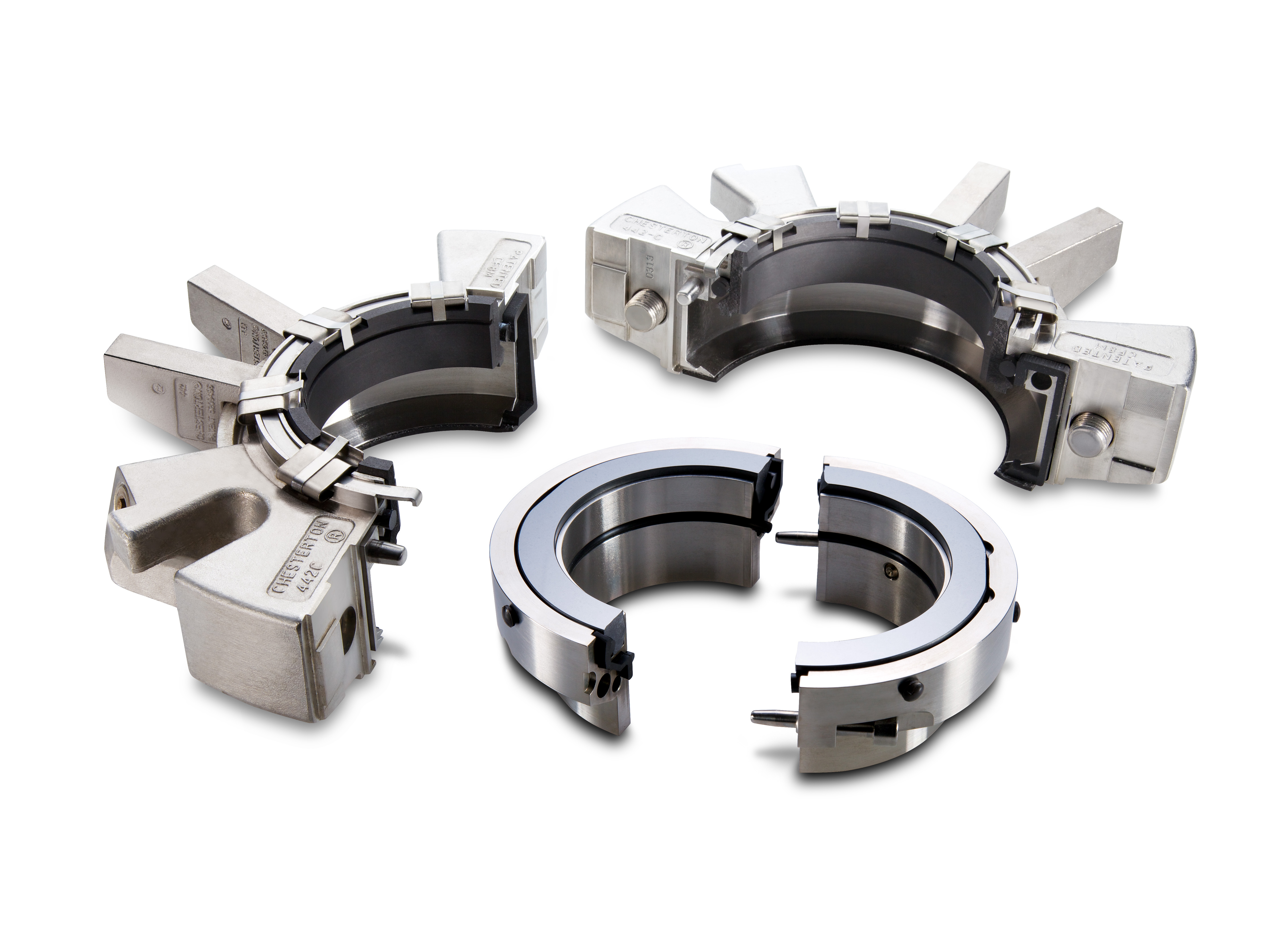
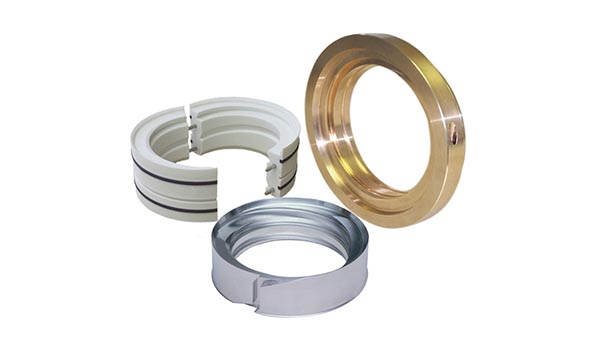
    Split seals, as the name suggests, use split components that are mounted on the shaft. The Chesterton 442C Cartridge Split Seal offers superior sealing performance with easy and safe installation. This patented technology ensures reliable operation and long-term leakage protection for various rotating equipment, even under pressure-vacuum cycling and high-temperature conditions:

    Lubricating the seal faces with clean fluids is essential for the longevity of mechanical seals. Traditionally, pump operators have used clean flush water to achieve this, which incurs significant water consumption and costs. Our advanced split seals, combined with SpiralTrac® technology, substantially reduce or eliminate the need for clean flush water, increasing the reliability of the sealing system and cutting operating expenses.

    SpiralTrac Technology, environmental controller, available from A.W. Chesterton

    For more information about our mechanical seals, visit our “Reliability Matters” blog, which covers essential topics such as the “5-key Features for good Mechanical seal Design


    Here you can gain an insight into our decades of experience in the water and wastewater sector:

    Case Study #1: Wastewater Plant Dramatically Reduces Seal Installation Time with Split Seals

    Case Study #2: Reduce Flush Water Usage by 90% with Chesterton Split Seal 442

    Case Study #3: Split Seals Deliver Reliable Wastewater Pump Sealing for Three Years Running

    Case Study #4: Sealing Large Influent Pumps – Split Seals Increased MTBF to 9+ Years

    Case Study #5: Chesterton 442C Cartridge Split Seals Switch Results in Easy Installations


    Conclusion:

    The water and wastewater industry faces numerous challenges, from ensuring safety and managing aging infrastructure to reducing energy consumption and maintenance costs. Advanced mechanical sealing solutions, particularly split seals, offer a practical and effective way to address these challenges. As the industry continues to evolve, the adoption of such innovative technologies will be crucial in achieving sustainable and reliable water and wastewater management.

     Do you have any questions about our Mechanical Seal Technology? Our Expert Desk is here to help. We are happy to assist you!

    You can also make a preliminary selection using our product selector. Our product consultants will gladly assist you in selecting the ideal product for your application.
    *SpiralTrac® is a trademark of EnviroSeal Engineering Products Ltd.

  • Increased Performance and Reliability in Hydropower Plants with Chesterton Mechanical Seals

    Increased Performance and Reliability in Hydropower Plants with Chesterton Mechanical Seals

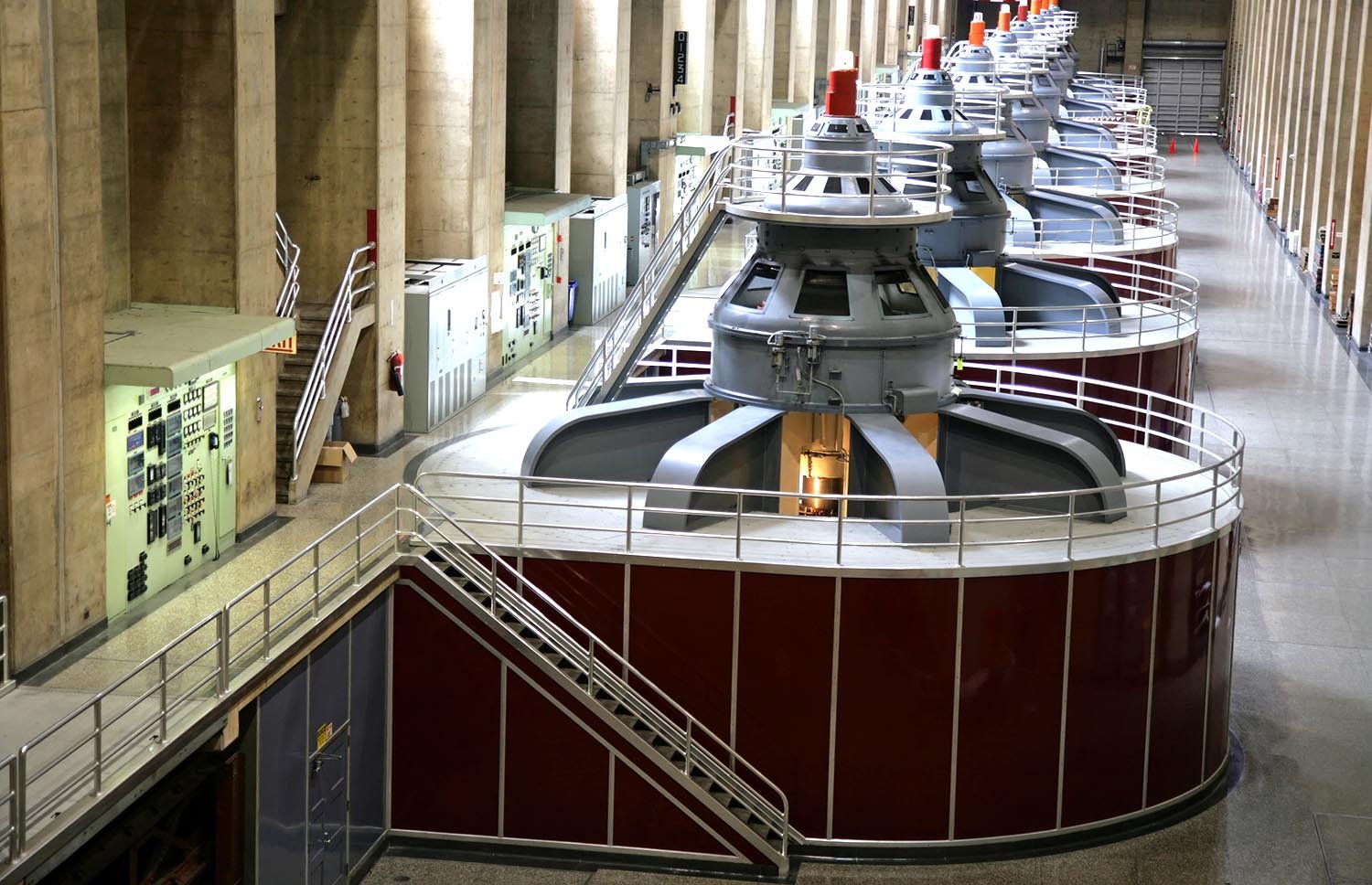
    The hydropower industry faces the constant challenge of making its systems more efficient while maximizing the service life of components. In this quest for maximum performance and longevity, selecting the right sealing technology plays a crucial role. This article highlights the compelling benefits of Chesterton mechanical seals in hydropower plants and shows how this innovative technology can contribute to sustainable optimization.

    Mechanical seals are critical components in hydropower plants, responsible for sealing pumps and turbines. Chesterton mechanical seals are characterized by their advanced design and material composition. These seals are specifically designed to withstand the extreme conditions found in hydroelectric environments while providing a reliable seal.

    Many factors affect reliable turbine main shaft sealing. Shaft size, turbine speed, pressure, water sediment content, start-up conditions, cavitation vibration, and other factors will impact seal selection and the long-term success of the sealing device.

    Large Turbines create Large Sealing Problems

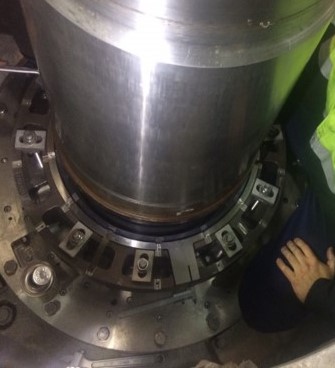
    One of the main challenges in hydropower plants is minimizing leakages in the turbines. Conventional main shaft turbine seals typically leak heavily and can cause considerable shaft damage. They also require clean, filtered water that is flushed within the seal to prevent solids from embedding between the sealing elements and the sleeve. The reliability and service life of your seal is directly dependent on the continuous operation of the filtration systems. They must be able to continuously supply filtered water to overcome seal leakage and pressure conditions.

    The use of filtered water is extremely expensive. The stations’ drainage systems can overflow, which requires constant monitoring. The filter systems require regular maintenance, all of which leads to immensely high costs. In addition, the constantly flowing water causes severe corrosion damage to the metal parts.

    Chesterton split seals are designed to seal leak-free. With our innovative technology and sealing materials, we can deliver superior sealing solutions that meet the dynamics of your operation and develop reliable, long-term solutions that significantly reduce filter water requirements.

    The Chesterton Solution for Reliable Sealing with Considerably Reduction of Flush Water

    One of the biggest issues in developing a reliable seal solution for water turbines is keeping sediment and sand out of the seal so the particles don’t clog or wear out the seal or equipment. Based on our many years of experience in the hydropower sector, we have found an effective solution to this problem.
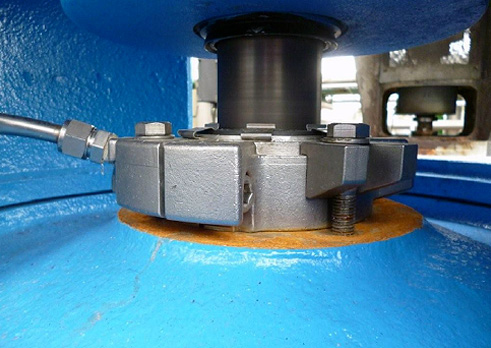
    We combine our advanced split seals with SpiralTracTM technology to eliminate solids from the sealing environment and significantly reduce or eliminate the flush water requirements for turbine mainshaft seals. Controlling the adverse conditions under which the seal typically operates enhances the reliability of your sealing system and reduces operational costs.

    Chesterton’s innovative 442 split mechanical seals deliver a radically different level of sealing sophistication for hydropower plants around the globe. 

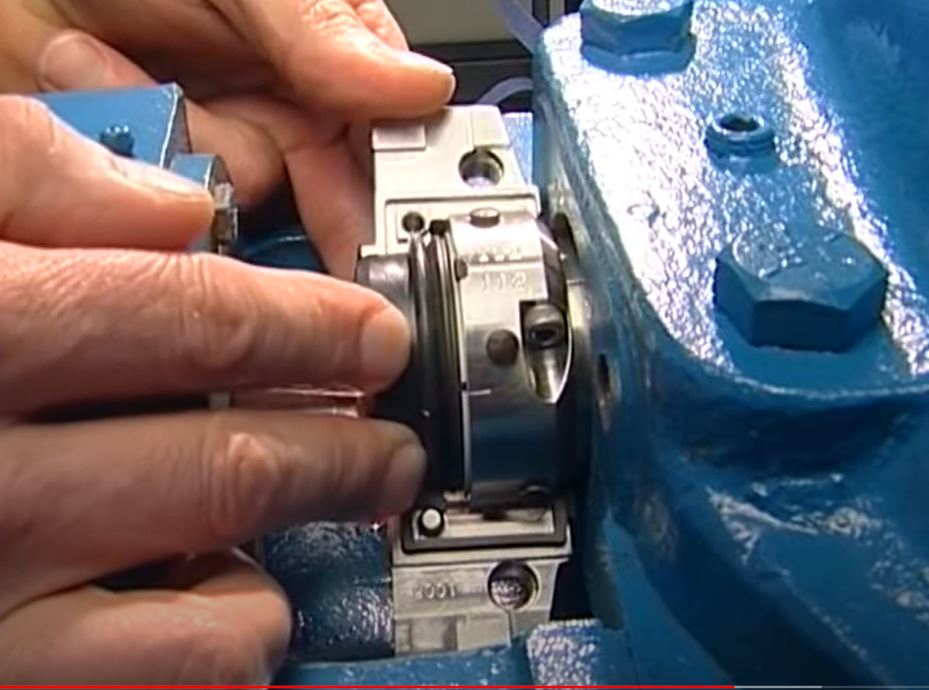
    A split seal has components split into two equal halves, which are secured as one unit on the seal shaft. The major advantage of the split seal design is that it allows you to install the seal with no dismantling of the pump (or equipment)—an enormous time-saver! Chesterton’s split seals offer virtually leak-free performance. This leads to improved safety and environmental compliance and nearly eliminates sleeve wear, and flush water usage, among many benefits.

    Adaptability to different operating conditions

    The versatility of Chesterton mechanical seals allows them to adapt to different operating conditions in hydropower plants. Whether the pressures are low or high, whether the plant is operated continuously or intermittently, these seals provide a reliable seal and thus contribute to the stability of the overall system.

    Contribution to sustainable energy production

    By reducing leakage, protecting against wear and adapting to different operating conditions, Chesterton mechanical seals make a significant contribution to sustainable energy production. The optimization of hydropower plants leads to increased efficiency and helps to minimize the environmental footprint of energy production.

    Conclusion

    The application of Chesterton mechanical seals in the hydropower industry is a pioneering step towards improving performance and reliability. The reduction of leakage, protection against wear and the adaptability of these seals make them a key component for the sustainable development of hydropower plants. At a time when the search for environmentally friendly and efficient energy sources is paramount, Chesterton mechanical seals are helping to cement hydropower as a viable solution for the future.


    On our Chesterton Blog “Reliability Matters”, you can find this interesting article about Turbine Shaft Sealing with our Split Seal Technology.

    You can also make a preliminary selection using our product selector. Our product consultants will gladly assist you in selecting the ideal product for your application.
  • Introducing: Chesterton’s Cutting-Edge Solutions for the Mining Industry!

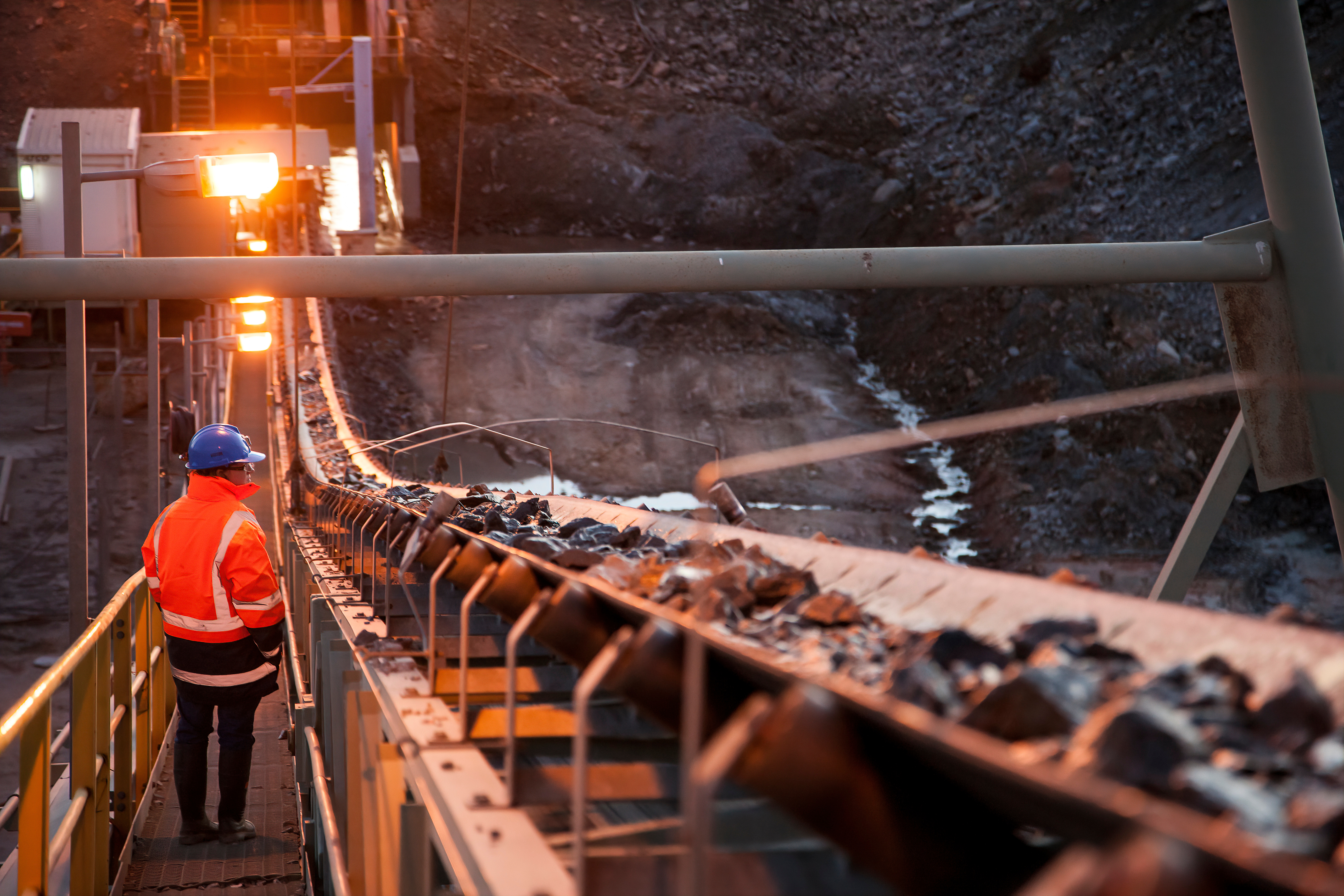
    Nyngan Australia June 20th 2012 : Shallow depth of field image of a miner inspecting ore rocks on a conveyor in NSW Australia

    Increasing Efficiency for Mining Machinery is our Priority

    Mechanical stress, severe impacts, slurries, dust and dirt, corrosion, and lack of water can significantly reduce the reliability and uptime of mining equipment. Chesterton specialists help mining companies worldwide overcome these challenges with expertise and advanced solutions in sealing, lubrication and protective coatings

    Boost your Mining Operation with Chesterton’s Innovative Products

    Unlock the full potential of your mining operation with Chesterton’s high-quality range of products tailored specifically for the mining industry. We understand the unique challenges mining professionals face and have developed state-of-the-art solutions to maximize your productivity, efficiency and profitability.

    Find the error in your machinery with Chesterton Connect

    This advanced tool offers continuous, around-the-clock monitoring of your technical equipment, even in the most challenging operational environments. Identifying and notifying you about potential issues proactively prevents expensive downtime and damage, solidifying its role as an essential asset within your predictive maintenance arsenal.

    Find out more:

    Predictive Maintenance with Chesterton Connect 

    Sealing Solutions Engineered for Mining Excellence

    Prevent leakage, contamination, and costly downtime with Chesterton’s advanced sealing solutions. Our mechanical seals, packing and gaskets, hydraulic and pneumatic seals, and custom-engineered sealing solutions are designed to withstand the harshest mining environments, ensuring optimal performance and reliability.

    Find out more:

    Slurry Pump Maintenance

    Navigating Slurry Applications

    Hydraulic Sealing Solutions

    Optimize Performance with Superior Lubrication Solutions

    Achieve peak performance and reliability with our wide range of industrial lubricants and maintenance products. They reduce friction, minimize wear, and extend maintenance intervals for enhanced operational efficiency.

    Find out more:

    Lubrication Solutions for Electric motor bearings

    Enhance Equipment Durability with Protective Coatings

    Extend the lifespan of your mining equipment with Chesterton’s high-performance coatings. Our corrosion-resistant, abrasion-resistant, and erosion-resistant coatings provide incomparable protection and keep your machinery from wear caused by demanding mining operations.

    Find out more:

    Ceramic Reinforced Coating for Mining and Ore Processing

  • Streamlining Slurry Pump Maintenance with Innovative Sealing Solutions

    Streamlining Slurry Pump Maintenance with Innovative Sealing Solutions

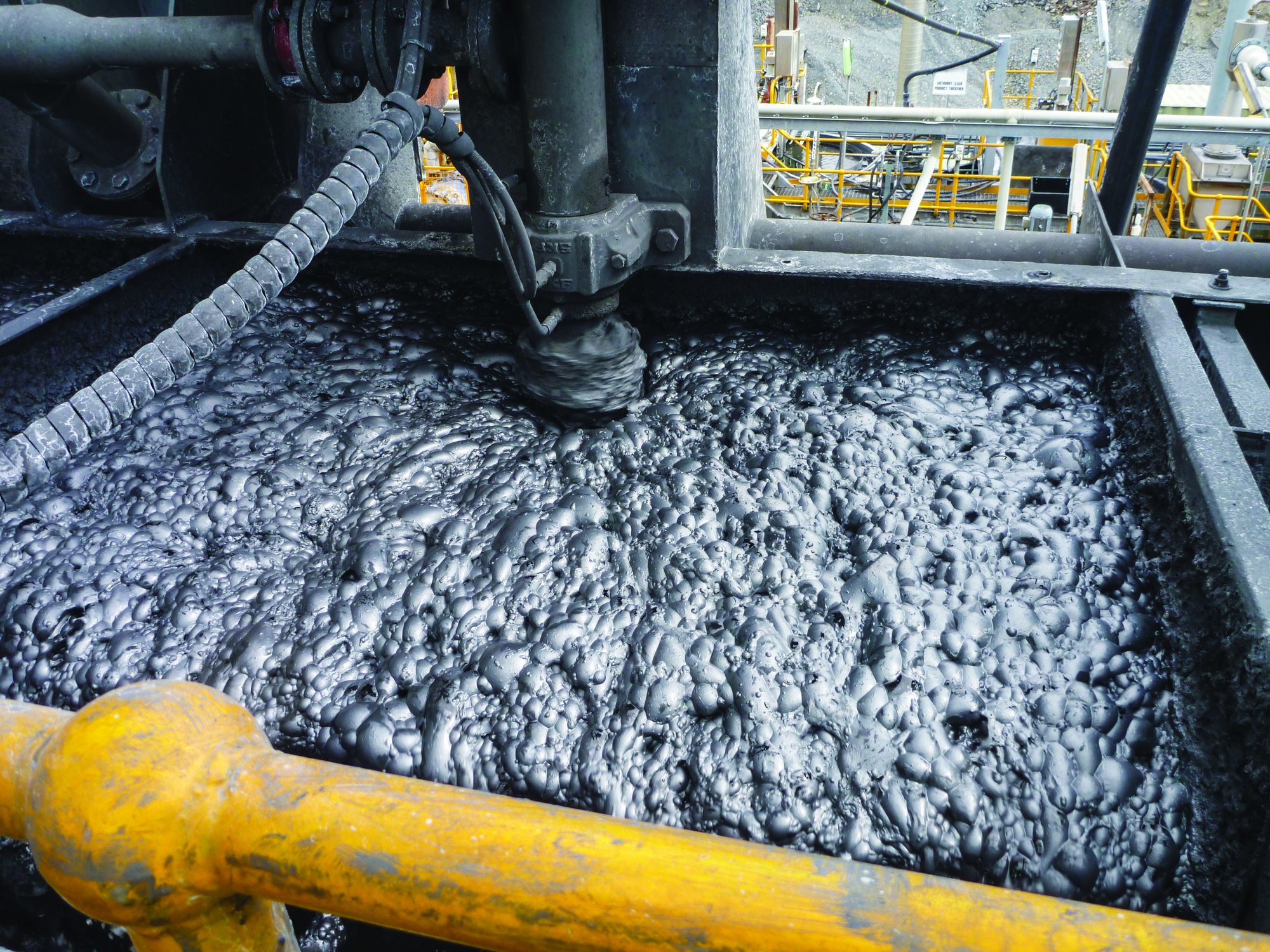
    Slurry pumps are integral to many mining operations, but their maintenance, particularly the replacement of seals, can be challenging. The abrasive nature of slurries can wear down packing or clog mechanical seal components, reducing seal life to mere weeks or even days. With downtime proving costly, choosing an efficient and easily replaceable sealing solution is crucial.

    Expedite Seal Replacement with Best Practices

    In this article, we will discuss some best practices that can accelerate the process of replacing packing and seals in slurry pump applications.

    Packing: Overcoming the Challenges of Lantern Ring Replacement

    One of the most significant hurdles during packing replacement is removing the lantern ring and the bottom rings. Lantern rings can become off-axis, bind up in the stuffing box, or get clogged with particulates, making removal difficult and time-consuming.

    Why Leaving the Lantern Ring Unchanged Is Not Recommended

    Despite these challenges, it’s not advisable to leave the lantern ring in place while only replacing the rings above. Here’s why:

    Over time, the unreplaced bottom rings will wear, extrude, and consolidate, causing the lantern ring to move towards the bottom of the stuffing box and misalign with the lantern ring port.

    This alteration prevents flush from reaching the ID of the packing, allowing solids to penetrate under the packing and dramatically reducing its lifespan.

    A symptom of a misaligned lantern ring is heavy flush water leakage on the OD of the packing, indicating either misalignment or clogging due to intermittent or inadequate flush pressure, or dirty flush.

    Solution: Eliminate the Lantern Ring

    The solution to difficult lantern ring removal is straightforward—don’t use a lantern ring.

    Our tests have shown that the first three rings of packing do the majority of the sealing, and the bottom rings mostly serve to keep solids out.

    By using a throat bushing with built-in flush ports, you can eliminate the need to remove the lantern ring when you repack, and you’ll use less packing.

    Since the top rings perform most of the sealing, you won’t sacrifice sealing capability.

    To make the system more reliable, specifically engineered bushings are available that alter the water flow within the stuffing box to actively remove and exclude solids (e.g., SpiralTrac – Type P). This makes that the packing works in a clean environment, significantly extending it’s lifetime.

    Pre-Cut Packing Rings: A Time-Saving Solution

    Another method to expedite slurry pump repacking is to purchase pre-cut rings. Most packing manufacturers now offer pre-cut rings for a small fee, which can be offset by eliminating the time and scrap required when cutting them yourself. These rings ensure correct sizing and accurate cuts made with a sharp blade.

    Another method to expedite slurry pump repacking is to purchase pre-cut rings. Most packing manufacturers now offer pre-cut rings for a small fee, which can be offset by eliminating the time and scrap required when cutting them yourself. These rings ensure correct sizing and accurate cuts made with a sharp blade.

    Mechanical Seals in a Slurry Environment: Selection & Environment

    While modern cartridge mechanical seals are significantly easier to install than component seals, their installation still requires decoupling the power end and often moving pump/motor components. This can be time-consuming, particularly with large slurry pumps.

    Advanced Split Seal Design: An Efficient Alternative

    Over the past decade, advanced split seals like the Chesterton 442C Seal have evolved to have fewer components, making installation a matter of minutes rather than hours. This seal design can also now achieve seal life equivalent to a non-split seal. Newer features also include fully split O-Rings and easy field-repair capabilities.

    Controlling the Seal Environment

    Setting up appropriate environmental controls is critical when using Mechanical Seals in a slurry pump environment:
    A clean flush is often required to keep control of contaminents in the stuffing box.

    A bushing can be utilized to limit the amount of particulate that can get into the seal chamber. As with packing, there are engineered bushings designed to remove particulate from the seal chamber and help the seal operate in a clean fluid to improve seal life (Chesterton carries several varieties of these: the SpiralTrac Environmental Controller).

    When a clean flush isn’t an option, heavy-duty slurry seals have dedicated features to withstand harsh slurry conditions. Typical Mechanical Seal features are line-on-line seal faces, non-clogging external springs, larger clearances to reduce clogging, and high-strength drives. These can often operate flushless under certain conditions, which can be improved with other environmental controls.

    Other Methods of Improving Reliability and Reducing Maintenance

    Aside from sealing considerations, there are many other ways to protect your assets and ease maintenance:

    • Reinforced coatings can extend the life of pump internals and reduce equipment costs.
    • Proper and automated lubrication extends bearing life along with adequate bearing seals.
    • High-quality bolt and nut lubrication makes disassembly much easier.

    By implementing these strategies, mining operations can streamline their slurry pump maintenance, reducing downtime and increasing productivity.

    Please ask our Expert Desk for further information.

    You can also make a preliminary selection using our product selector. Our product consultants will gladly assist you in selecting the ideal product for your application.
  • Navigating Slurry Applications in Mining with Chesterton’s robust 170 Mechanical Seal Series

    Navigating Slurry Applications in Mining with Chesterton’s robust 170 Mechanical Seal Series

    Mining operations often involve working with media containing slurry particles, which can be challenging due to the harsh and abrasive nature of these mixtures. Understanding the various types of slurries and their characteristics is essential when choosing sealing solutions.

    Understanding Slurries in Mining

    Slurries in mining can be broadly categorized based on their settling characteristics.
    ‘Settling’ slurries, which settle quickly, tend to be more abrasive.
    In contrast, ‘non-settling’ slurries remain suspended for longer and are typically less abrasive but due to smaller particles size can have an impact on the mechanical seal faces.
    There’s also ‘dewatering’ slurry that consists of lighter organic materials and has a tendency to clog parts of the mechanical seal like the springs and cause inability of springs to perform as intented.

    Different types of slurries are used in various applications, including alumina, nickel, and copper applications, each presenting its unique challenges. The type of slurry, particle sharpness, particle size, and slurry hardness are critical factors to consider when selecting sealing solutions.

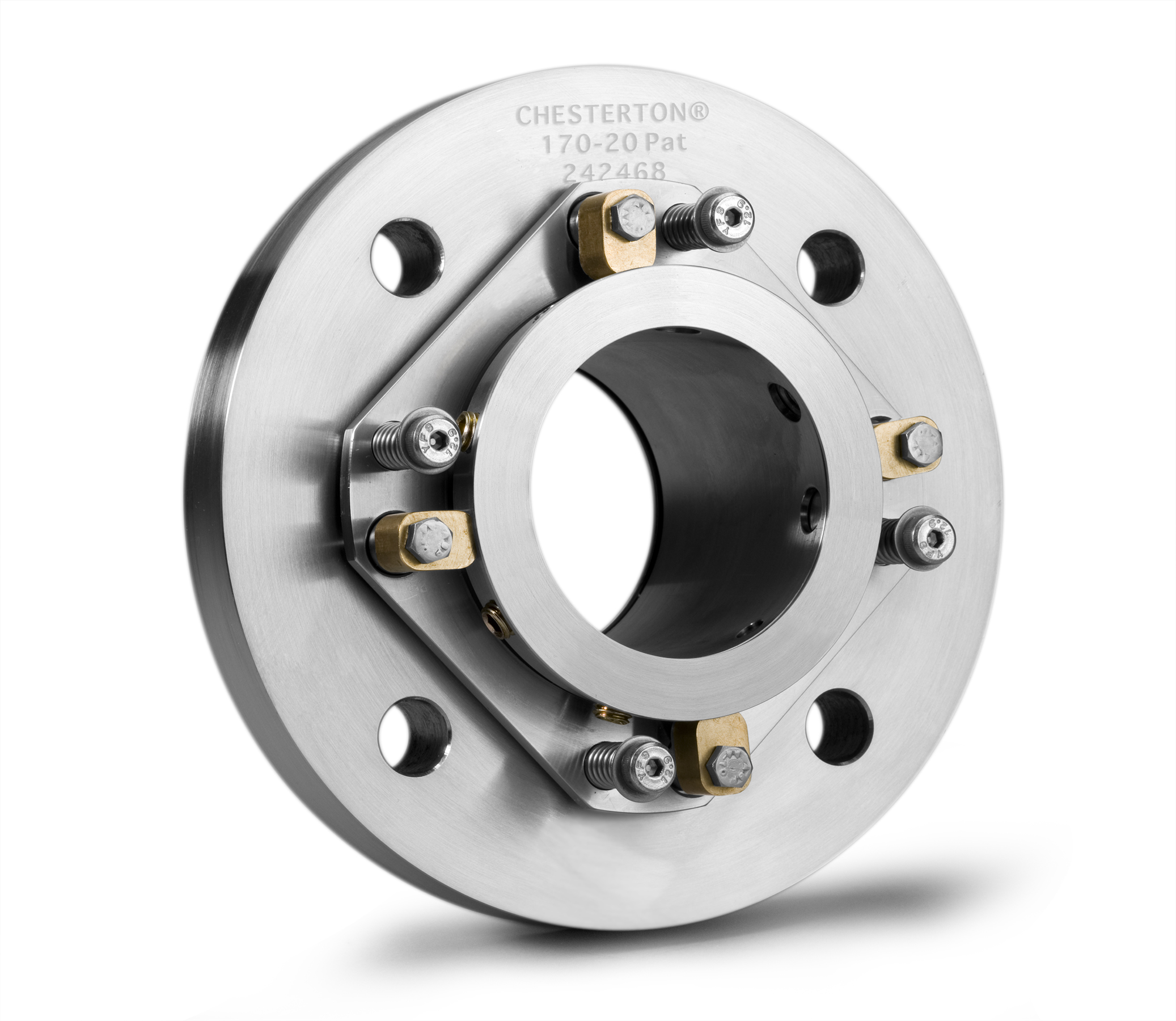
    Chesterton’s 170 Mechanical Seal : A Seal Designed for Harsh Slurry Environments

    Chesterton’s 170 Slurry Cartridge Seal stands out as an innovative solution designed specifically for harsh, heavy consistency slurry environments. This seal eliminates the need for external flushes in most applications, simplifying the process, reducing potential issues and driving operational cost down.

    The 170 Slurry Cartridge Seal can handle high solids content, making it ideal for dealing with the rigorous demands of mining operations. It can employ SpiralTrac™ technology, enhancing reliability and ensuring optimal performance even in challenging conditions.

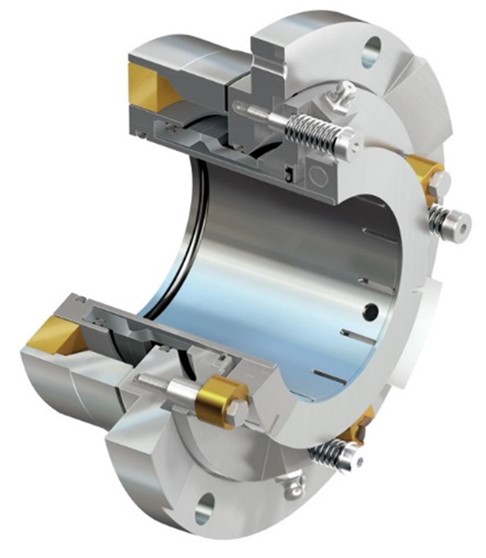
    Chesterton 170 Slurry Single Cartridge Seal

    Designed to Extend the Life of Slurry Pumps

    • Designed for heavy, high-solids slurry sealing
    • Non-clog design enhances seal reliability
    • Innovative pressure plate system keeps the springs entirely outside the seal​
    • Field repairable​

    Conclusion

    In the demanding world of mining, choosing the right sealing solution is critical.
    The Chesterton 170 Slurry Cartridge Seal is helping mining operations navigate the complex challenges presented by different slurry types, improving efficiency requirements and enhancing reliability in the process.

    Please ask our Expert Desk for further information.

    You can also make a preliminary selection using our product selector. Our product consultants will gladly assist you in selecting the ideal product for your application.
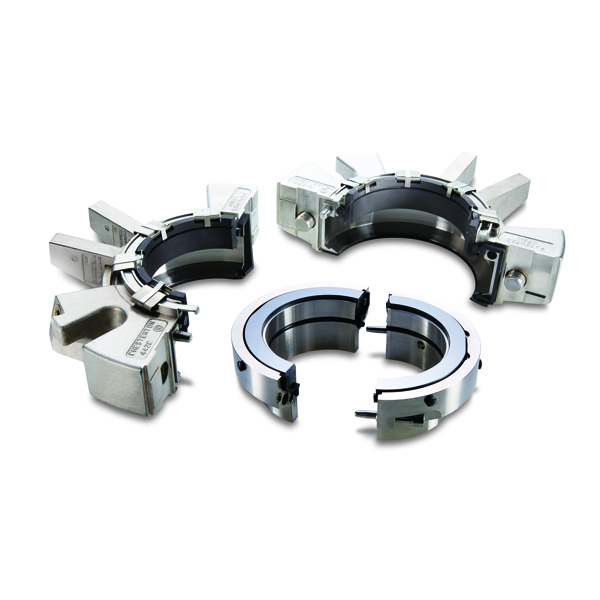
  • The ‘New Standard’ for general duty cartridge seals – Chesterton 1510

    The ‘New Standard’ for general duty cartridge seals – Chesterton 1510

    Simple Installation and Increased Reliability Plant-wide in General Duty Applications

    Chesterton, a global leader in equipment sealing and reliability, has released its newest mechanical seal product The 1510 General Duty Single Cartridge Seal.
    Accompanying the recently released 1810/2810 high performance seals, this seal represents another foundational component for Chestertons cartridge seal portfolio and future mechanical
    seal business.

    Simplicity & Reliability

    The 1510 continues to build on the philosophy of Chesterton. The way we think, design, manufacture, and deliver our products to our users is about value, response time, and quality.
    Designed with a compact cartridge profile and utilizing the Chesterton T.A.B.S (Tapered Adjustable Bolting System) field proven on the 155 and 442 split seals, the 1510 is designed to fit and install
    easily on process equipment throughout industry. The unique resettable centering strap allows for impeller adjustments even after the seal has been fitted. Incorporating Chestertons 5 key features
    of good mechanical seal design, the 1510 sets the new standard for general duty cartridge seals.

    1510 Single Cartridge SealReliability Made Easy


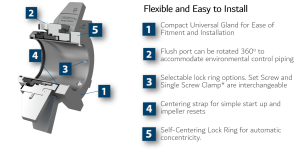
    Flexible and Easy to install in 5 steps
    ​​​​​​​​​​​​​​​​​​​​​​​​​​​​​​​​​​​​​​​​​​​Maximize maintenance efficiency and increase plant productivity with the 1510 Single Cartridge Seal. Designed to fit process equipment plant-wide by incorporating Chesterton T.A.B.S. the compact profile makes seal installation easy. Reliability through temperature variations and intermittent operations is ensured with the use of monolithic seal faces and true non-fretting construction. Impeller adjustments after seal fitment are accommodated with the unique resettable centering strap, even when adjustment is required between routine maintenance. Incorporating Chesterton’s 5 key features of good mechanical seal design, the Chesterton 1510 sets the new standard for general duty cartridge seals.

    Advantages

    • Reliable through temperature
      cycling and intermittent process
      with monolithic seal faces
    • In service impeller adjustment
      is possible with the unique
      centering strap
    • Mounts easily on various types
      of rotating equipment using
      Chesterton T.A.B.S.
    • Prevents damage to your
      equipment and internal
      components via true
      non-fretting design

    5 Key Design Features

    More information on 1510:

    Chesterton 1510 – Literature & Datasheets

    Chesterton – 1510 Press Release

  • Rotating equipment: Is vibration monitoring really enough to prevent pump failures?

    Rotating equipment: Is vibration monitoring really enough to prevent pump failures?

    Vibration and surface temperature measurements are the most common methods of monitoring the condition of pumps and other rotating equipment. However, vibration and surface temperature measurements of the pump motor or bearing housing provide only half the story.

    What are the main causes of vibration in pumps?

    There are many sources of vibration in pumps. The most common causes are shaft distortion, imbalance, misalignment, reaction and contact forces between components. These problems can all affect the reliability and operation of rotating equipment.

    An increase in vibration can lead to:

    • Excessive shaft movement which eventually damages the seals
    • Permanent indentations of the bearing races
    • Deterioration of clearances such as those between bearings and wear rings
    • Looseness
    • Fatigue damage to components

    Correlation of pump vibration monitoring with process pressure and temperature

    When looking at a pump and the causes of pump failure, we need to look at all of its components more broadly. It is important to note that pump failures do not always start with changes in vibration and surface temperature. The failure conditions of some pumps start with pressure changes – which eventually result in vibration. Fluctuations in fluid characteristics, changes in speed or direction of rotation, obstructions at the discharge or suction end, and wear of internal components in contact with the fluid can all cause changes in pump pressure.

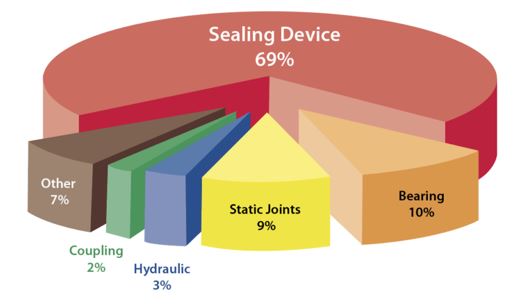
    Pump failure by components (pump and system data)

    Pump failure point no. 1: dynamic seals

    The first and most common component to fail in pumps is the dynamic seal. 

    Seal failures can be caused by multiple factors, many of which are not detected in the early stages.

    Some of the most common factors are changes in pump suction and discharge pressure. These changes directly affect the pressure and temperature of the seal chamber (also known as the gland) – ultimately affecting the mechanical seal.

    For example: during pump operation, the observation of an increase in vibration, followed by an increase in temperature and a drop in pressure of the pumped medium in the seal chamber is most likely caused by a restriction on the suction side of a pump.

    Les mesures de vibration et de température de surface sont les méthodes les plus courantes de surveillance de l'état des pompes et autres équipements rotatifs

    In this scenario, if only bearing vibrations and surface temperature are monitored, changes (pressure, temperature) inside the pump would go unnoticed. With an increase in temperature and a drop in pressure inside the seal, the sealing device (e.g. barrier fluid) could experience operating conditions similar to those observed during dry running, causing premature failure of the dynamic seal and ultimately pump failure.

    For a double mechanical seal working with barrier fluid, monitoring the pressure and temperature of the barrier fluid reservoir and that of the pumped fluid inside the pump will confirm that we have the correct pressure differential to ensure proper lubrication and operation of the mechanical seal.

    Monitoring the pressure and temperature of the pumped medium in conjunction with the vibrations can provide a clear understanding of the pump’s condition, helping the user to correct pump disturbances in advance and thus avoid failure and increase uptime.

    Pump failure point 2: Bearing

    Bearings are the second most common component to fail in pumps.

    Typically, bearing failures are caused by corrosion due to seal leakage, equipment imbalance, shaft misalignment, damaged impeller, etc. Bearing maintenance is normally preventive. Bearings are often replaced on the pump during seal maintenance, even when they are still in good condition.

    Technicien inspectant l’alignement de la pompe et du moteur électrique, travaux de réparation sur site
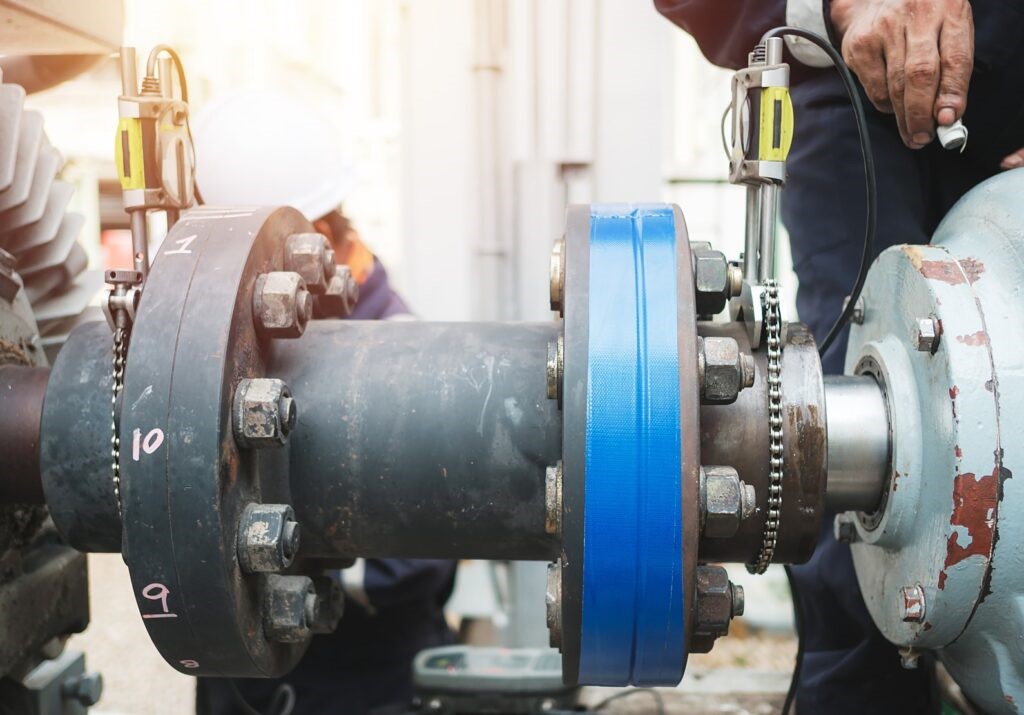
    Technician inspecting pump and electric motor alignment, on-site repair work

    Full monitoring of pump conditions

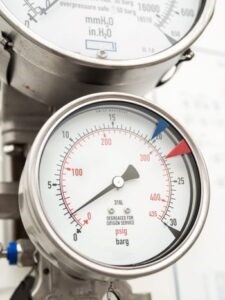
    In summary, pressure, temperature of the fluid being pumped and pump vibration must be monitored to truly provide a complete and accurate picture of a pump’s true condition. The Chesterton Connect ™ sensor, mobile app and Cloud analytics provide 24/7 visibility of an equipment’s condition in all four areas (process pressure, process temperature, vibration and surface temperature) to enable you to identify problems in advance and make corrections for overall increased reliability and improved plant performance.

    The following are case studies demonstrating how the Chesterton Connect sensor has been used to monitor process pressure, temperature and vibration, providing essential information for achieving equipment savings.

    Case Study 1: Identifying dry running conditions

    Chesterton Connect sur l'application de la pompe de transfert
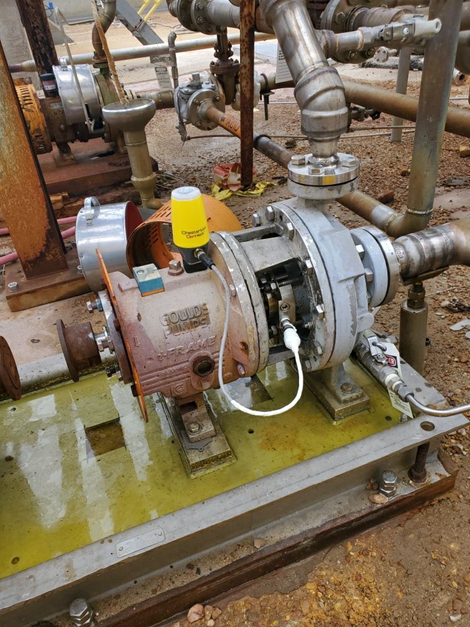
    Chesterton Connect on the transfer pump application

    A chemical plant had an unusually high number of failures of single cartridge mechanical seals installed on a 65% nitric acid transfer pump. The mean time between repairs (MTBR) was only 1.2 months.

    A technician checked the operation of the system and the installation of the mechanical seal and found no significant problems in the operation of the pump.

    Our specialist recommended the installation of a Chesterton Connect. Within a few days they were able to quickly gather enough information to determine that there was negative pressure in the seal chamber when the pump was running. This negative pressure caused the mechanical seal to exhibit classic dry running symptoms. After conducting a system audit, the customer was able to push back a valve to ensure proper pump flow.

    The pump and mechanical seal are now working properly and the projected MTBR has increased to over 24 months. The potential cost savings for the mechanical seals for this pump is over $30,000. Savings due to reduced maintenance and operational improvements are estimated to be even greater, but are still being calculated at this time.

    Case study 2: Vertical multistage pump

    A pump seal installed on a vertical two-stage pump failed after 2-3 days. 

    The seal was changed and again, 2-3 days later, the seal failure returned. Obviously there was a problem, but no one knew why, and it was impossible to “see inside” the mechanical seal to determine the root cause of the problem.

    Chesterton Connect installé sur le plan 13
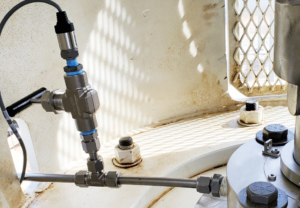
    Chesterton Connect installed on map 13

    A Chesterton Connect ™ sensor was installed to monitor process conditions causing premature seal failure. Using the Chesterton Connect app, the user was able to plot the process pressure (falling) and temperature (rising) while the pump was running.

    Using Chesterton Connect data, significant changes in the pump’s operating environment were identified and the seal failure problem was resolved.

    Original article from JUAN CID

    More information